
Tue Mar 10 07:01:33 UTC 2026: # Lunar Hummus Dream Moves Closer to Reality: Chickpeas Grown in Simulated Moon Soil
The Story
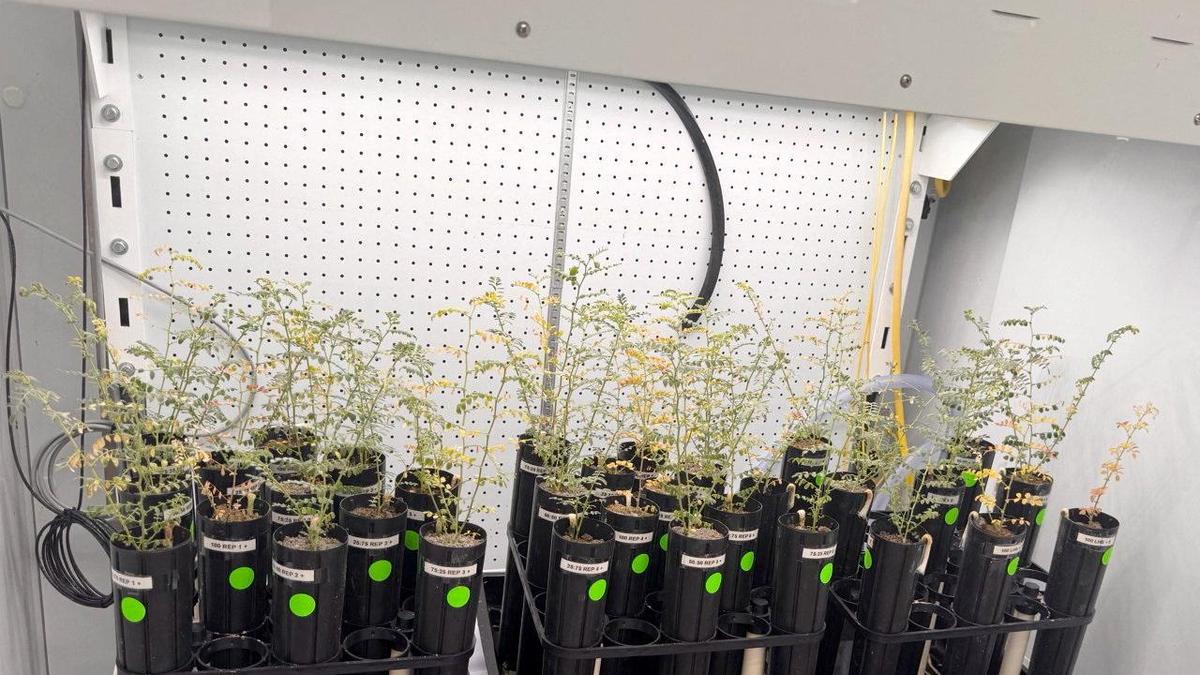
Scientists have successfully grown chickpeas in soil made mostly of simulated lunar soil, marking a significant step toward enabling astronauts to produce their own food on long-term moon missions. Researchers at Texas A&M University cultivated “Myles” chickpeas in a climate-controlled chamber, using a mixture of lunar soil simulant and vermicompost. While chickpeas grown in higher percentages of lunar simulant produced fewer harvestable crops, the study demonstrates the feasibility of extraterrestrial agriculture. This research is crucial as both the United States and China plan to establish long-term lunar bases in the coming years.
Key Points
- Harvestable chickpeas were grown in soil mixtures containing up to 75% lunar simulant.
- The chickpeas were grown at Texas A&M University in a climate-controlled growth chamber.
- Seeds were coated with beneficial fungi to aid in nutrient absorption and reduce heavy metal uptake.
- Seeds planted in 100% lunar simulant failed to produce flowers and seeds.
- The researchers are currently testing the chickpeas for metal accumulation before deeming them safe for consumption.
- The research was published in the journal Scientific Reports on March 5, 2026.
Key Takeaways
- The successful cultivation of chickpeas in lunar soil simulant demonstrates the potential for sustainable food production on the moon.
- Microorganisms play a vital role in conditioning lunar regolith and improving its structure for plant growth.
- Ensuring the safety and nutritional value of crops grown in lunar soil is crucial before human consumption.
- This research is a crucial step towards establishing a long-term human presence on the moon.
Impact Analysis
The successful cultivation of chickpeas in simulated lunar soil has significant long-term implications for space exploration. This breakthrough could dramatically reduce the cost and logistical challenges associated with transporting food to lunar bases, paving the way for more sustainable and self-sufficient lunar settlements. The ability to grow crops on the moon will provide astronauts with a local source of essential nutrients and oxygen, enhancing their overall health and well-being during extended missions. Further research into optimizing lunar agriculture and ensuring the safety of lunar-grown crops will be crucial for realizing the full potential of this technology. This research also highlights the importance of international cooperation, as both the U.S. and China are pursuing lunar base initiatives.
 First Piper