
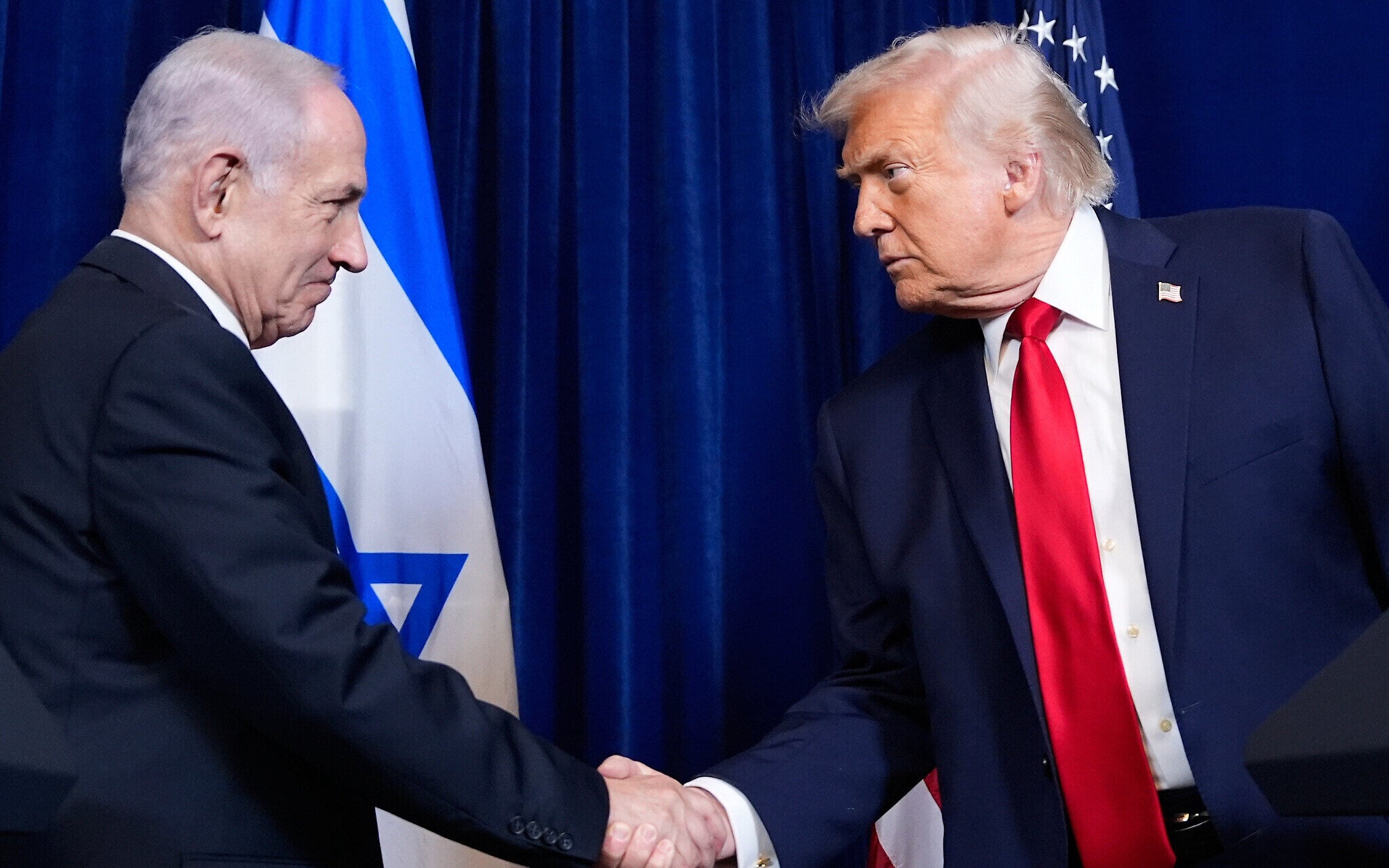
Mon Mar 09 20:30:00 UTC 2026: Headline: Trump Claims Iran War Decision “Mutual” with Netanyahu, Defends War’s Justification
The Story:
In a telephone interview with The Times of Israel on Sunday, March 15, 2026, US President Donald Trump asserted that the decision to end the ongoing war with Iran would be a “mutual” one, made in conjunction with Israeli Prime Minister Benjamin Netanyahu. He also reiterated his justification for the war, claiming that Iran was poised to destroy Israel. The interview, conducted shortly after Iranian state media announced Mojtaba Khamenei as the successor to Supreme Leader Ali Khamenei, touched on various topics, including the possibility of a pardon for Netanyahu and the impact of the war on Hamas.
Trump’s comments highlight the perceived close relationship between the US and Israeli leaders during this conflict. The war, which began on February 28, 2026, with a strike that killed Ali Khamenei, has significantly impacted regional dynamics. The US President also addressed his recent criticism of Israeli President Isaac Herzog and the potential for Hamas disarmament in light of Iran’s weakened state.
Key Points:
- Trump claims the decision to end the Iran war will be “mutual” with Netanyahu.
- He asserts Iran was going to destroy Israel, justifying the war.
- Trump declined to comment on Mojtaba Khamenei’s selection as Iran’s next Supreme Leader but stated the next leader of Iran won’t “last long” if he doesn’t have approval from the White House.
- He reiterated calls for Herzog to pardon Netanyahu, who is standing trial for corruption.
- Trump believes the war against Iran will weaken Hamas.
- White House press secretary Karoline Leavitt previously stated Washington expects it to last four to six weeks.
- Trump has had an improved relationship with Netanyahu since the 2024 US presidential election season.
Critical Analysis:
The news article is published in the context of previous reports that Trump has previously stated the Iran war is “very complete” and has spoken to Putin about ending the war quickly. This context suggests Trump may be publicly posturing about the war’s progress while privately seeking an exit strategy. The article also suggests Netanyahu has significant influence over Trump’s decision-making, which could complicate efforts to de-escalate the conflict if Israel has different objectives.
Key Takeaways:
- The US and Israel appear closely aligned in their approach to the war with Iran.
- Trump is attempting to frame the war’s objectives as directly linked to Israel’s survival.
- The war is impacting internal Israeli politics, as evidenced by Trump’s continued focus on Netanyahu’s pardon.
- The US believes weakening Iran will lead to the disarmament of groups like Hamas.
- The timeline for the war’s conclusion remains uncertain, despite earlier White House estimates.
Impact Analysis:
The close alignment between the US and Israel could have long-term implications for regional stability. The perception of US deference to Israeli interests may further inflame anti-American sentiment in the Middle East. The outcome of the war, and the subsequent leadership in Iran, will significantly shape the future of the region’s geopolitical landscape. The impact on Hamas, and other Iranian-backed groups, will also determine the future security situation in the region.
 First Piper