
Tue Mar 10 02:52:43 UTC 2026: # Wangchuk’s Wife Signals Shift in Strategy: Dialogue Over Agitation Post-Release
The Story:
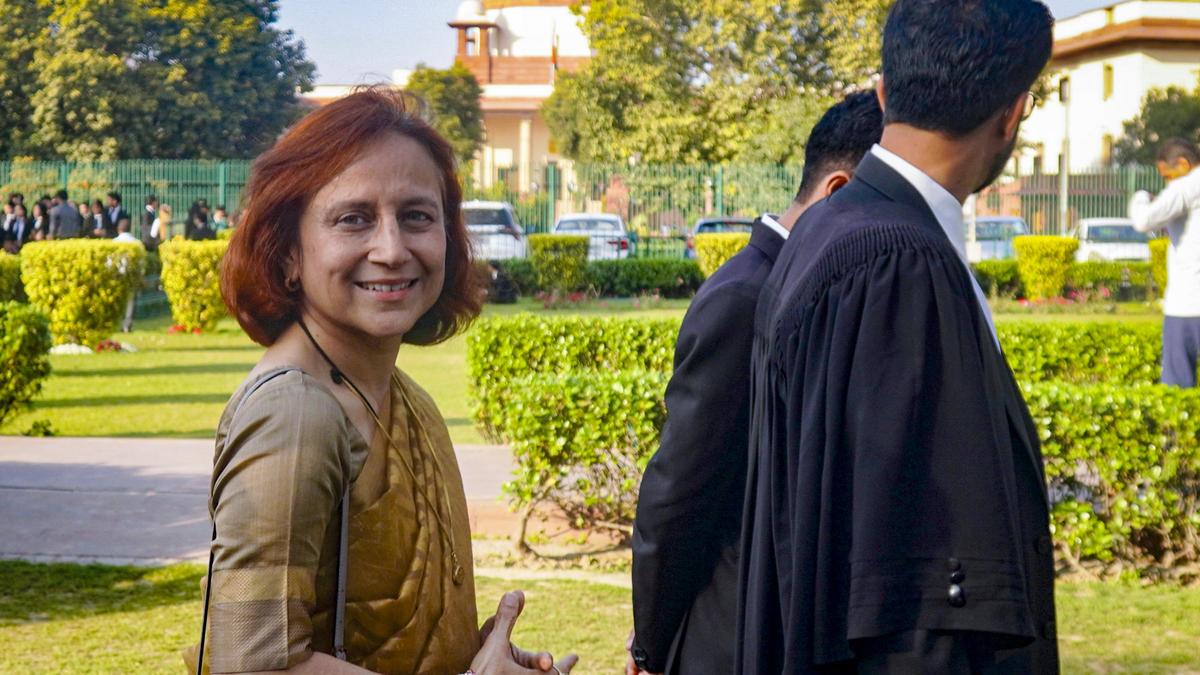
Gitanjali J. Angmo, wife of jailed climate activist Sonam Wangchuk, has indicated a significant shift in strategy. Speaking to The Hindu, Ms. Angmo stated that after her husband’s release from detention under the National Security Act (NSA), he will not resume agitation but will instead focus on dialogue and collaboration to secure constitutional safeguards for Ladakh. This decision comes after violent clashes during a hunger strike in September 2025, which led to Wangchuk’s arrest and the deaths of several protestors. Ms. Angmo is challenging the NSA detention in the Supreme Court, arguing it was based on misrepresented evidence.
Key Points:
- Sonam Wangchuk is currently detained under the NSA for his involvement in protests demanding constitutional safeguards for Ladakh.
- Gitanjali J. Angmo, Wangchuk’s wife, states he will pursue dialogue and collaboration instead of further agitation upon his release.
- The decision follows a violent incident on September 24, 2025, during a hunger strike where four people died.
- Ms. Angmo claims the NSA order against Wangchuk was a “cut-copy-paste job” and based on misrepresented videos.
- Wangchuk agreed to join the high-powered committee (HPC) led by Minister of State for Home Nityanand Rai in June 2025 after talks with the Ministry of Home Affairs (MHA) failed.
- The Leh Apex Body (LAB) and the Kargil Democratic Alliance (KDA) are part of the HPC
Critical Analysis:
The historical context reveals a pattern of legal challenges and strategic shifts. The Supreme Court’s involvement, coupled with the initial “dramatics” (as described by SG Tushar Mehta), suggests a contentious legal battle. The adjournment of hearings indicates the complexity of the case. The shift away from protests likely reflects a pragmatic assessment of the situation following the violent clashes and Wangchuk’s subsequent detention. Focusing on dialogue and the HPC could be seen as an attempt to engage with the government within established channels, rather than through direct confrontation.
Key Takeaways:
- The Ladakh movement for constitutional safeguards is at a critical juncture, shifting from direct action to a more diplomatic approach.
- The legal battle surrounding Wangchuk’s detention is ongoing and complex, with the Supreme Court playing a key role.
- The government’s willingness to engage through the HPC presents both an opportunity and a challenge for the movement.
- The events of September 2025 have significantly impacted the movement’s strategy.
- The focus on dialogue and collaboration suggests a long-term strategy to achieve constitutional safeguards for Ladakh.
Impact Analysis:
The shift in strategy could have several long-term implications. By prioritizing dialogue, the movement may gain broader support and legitimacy. However, it also risks being perceived as less assertive, potentially weakening its bargaining power. The success of this new approach will depend on the government’s willingness to engage in meaningful negotiations and address the core demands of the Ladakhi people. The Supreme Court’s decision on the NSA detention will also significantly impact the future direction of the movement. If Wangchuk is released, his leadership will be crucial in navigating this new phase. If not, the movement may face challenges in maintaining momentum and unity. Ultimately, the events surrounding Wangchuk’s detention and the subsequent shift in strategy will shape the future of Ladakh’s quest for constitutional safeguards.
 First Piper