
Mon Mar 09 19:31:04 UTC 2026: ### Rajya Sabha Elections See Unopposed Victories Amidst Contested Battles in Several States
The Story:
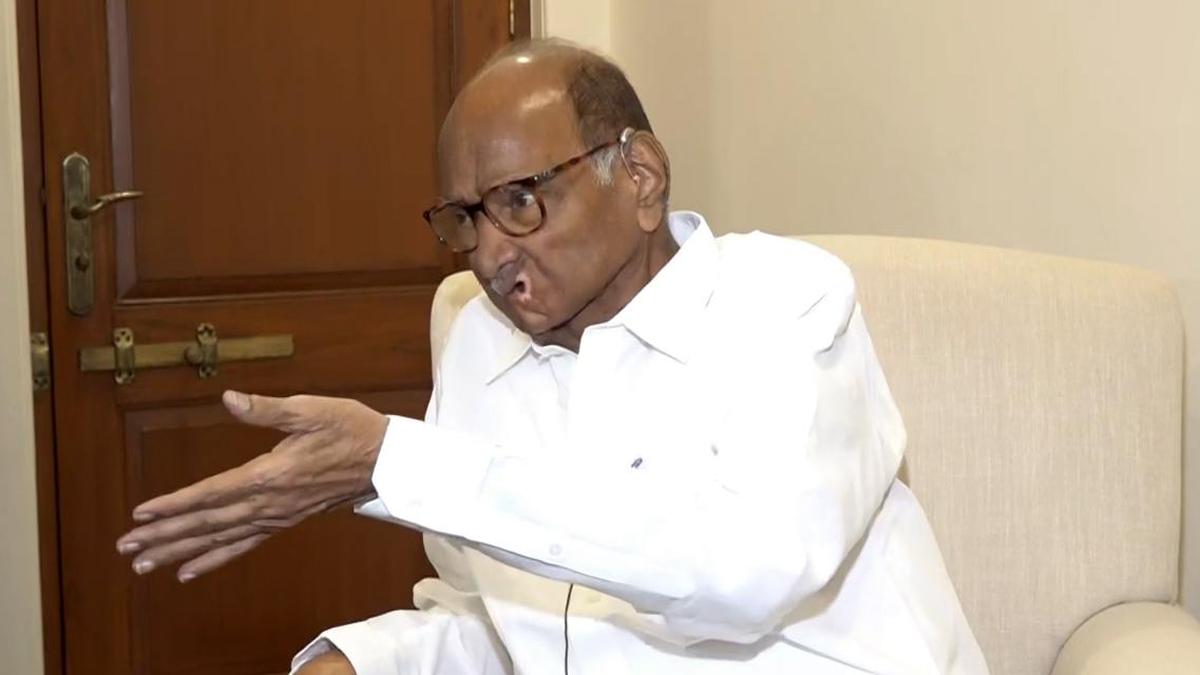
Elections to fill 37 vacant seats in the Rajya Sabha across 10 states are underway, marked by a mix of unopposed victories and keenly contested battles. While several candidates, including prominent figures like Sharad Pawar and Union Minister Ramdas Athawale in Maharashtra, were elected unopposed, elections for 11 seats in Bihar, Odisha, and Haryana are set for March 16, 2026, due to multiple candidates remaining in the fray. The political landscape is witnessing strategic maneuvers as parties vie for control in the Upper House, with the BJP poised to increase its tally.
Key Points:
- Elections are being held for 37 Rajya Sabha seats across 10 states.
- 26 candidates, including Sharad Pawar and Ramdas Athawale, were elected unopposed.
- Contests will be held in Bihar, Odisha, and Haryana on March 16, 2026.
- Nitish Kumar is set to enter the Rajya Sabha, ending his tenure as Bihar’s Chief Minister.
- Cross-voting is anticipated in Haryana, where the Congress needs 31 first preference votes to win a seat.
- The BJP is expected to increase its seat count in the Rajya Sabha after these elections.
- Key figures like M. Thambidurai and Abhishek Singhvi were elected unopposed from Tamil Nadu and Telangana, respectively.
- In Maharashtra, alongside Sharad Pawar and Union Minister Athawale, Vinod Tawde, Ramrao Wadkute, Maya Ivnate, Jyoti Waghmare, and Parth Pawar were elected unopposed.
Critical Analysis:
The historical context reveals a recent tragic event: the death of Ajit Pawar in a plane crash. His son, Parth Pawar, being elected unopposed from Maharashtra may reflect a sympathy wave or strategic political maneuvering in the wake of this tragedy. The attacks on Praful Patel by Rohit Pawar hint at internal conflicts and power struggles within the political landscape, which could influence future alliances and election outcomes. The inauguration of the Mahila Samman Portal by Dy CM Pawar suggests an attempt to bolster public image and support, possibly influencing voter sentiment in upcoming elections.
Key Takeaways:
- Rajya Sabha elections are a crucial indicator of the political power dynamics between parties.
- Unopposed victories often signify consensus or strategic alliances, while contested elections highlight areas of strong competition.
- Regional dynamics and local issues play a significant role in shaping the outcomes of these elections.
- The BJP is strategically positioning itself to increase its dominance in the Rajya Sabha.
- Recent events, such as the death of Ajit Pawar, can significantly influence political narratives and election results.
Impact Analysis:
The outcome of these Rajya Sabha elections will have a long-term impact on the legislative agenda and policy-making process at the national level. An increased BJP majority in the Upper House could lead to smoother passage of key legislation and a greater influence on national policies. The composition of the Rajya Sabha will also affect the balance of power between the ruling party and the opposition, shaping the political discourse and legislative outcomes in the years to come.
 First Piper