
Tue Mar 10 07:50:00 UTC 2026: Headline: Severe Weather Outbreak Threatens South, Midwest, and East Following Recent Tornadoes
The Story:
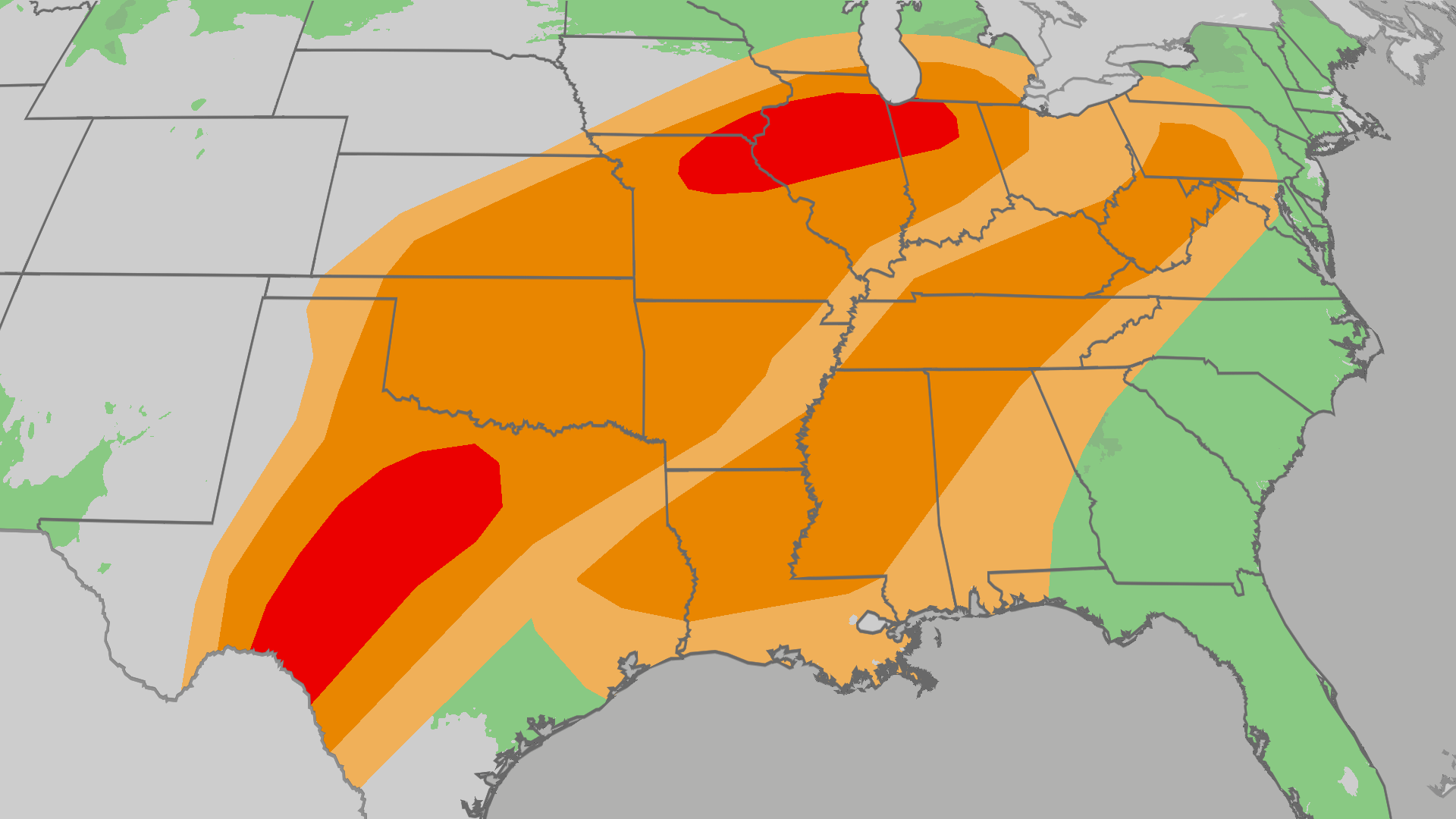
A new severe weather outbreak is forecast to impact parts of the South, Midwest, and East this week, including regions still recovering from storms that occurred late last week. The National Weather Service has confirmed at least 18 tornadoes from last Thursday through Saturday, stretching from Texas to Michigan. These included four killer tornadoes, with two each in Michigan and Oklahoma. The upcoming outbreak poses a significant threat of strong tornadoes, large hail, and damaging winds.
The highest tornado threat is expected on Tuesday afternoon and evening in parts of Texas and the Midwest. The Storm Prediction Center has issued an enhanced risk of severe storms, level 3 of 5, stretching from northwestern Missouri to northern Indiana, and has upgraded central Texas to an enhanced risk as well. The severe threat could last through the night in spots from the western Great Lakes to Texas, with the possibility of locally flooding rain. While the primary threat on Wednesday will be damaging thunderstorm wind gusts, a few tornadoes are still possible.
Key Points:
- A severe weather outbreak is forecast for the South, Midwest, and East.
- At least 18 tornadoes were confirmed from last Thursday through Saturday, including four killer tornadoes.
- The highest tornado threat is expected Tuesday afternoon and evening in Texas and the Midwest.
- The Storm Prediction Center has issued an enhanced risk (level 3 of 5) for severe storms.
- Large hail, damaging winds, and tornadoes (possibly EF2 or greater) are possible.
- Flooding rain is also a threat.
Critical Analysis:
The historical context reveals a pattern of severe weather events occurring in quick succession. On March 10, 2026, there were already reports of potential severe thunderstorms, deadly Midwest tornadoes, and dust layers in Delhi, India. This suggests a potentially unstable global atmospheric pattern contributing to increased severe weather activity. The quick turnaround between the initial reports of severe weather and the current forecast suggests heightened atmospheric volatility.
Key Takeaways:
- The affected regions face an immediate and serious threat of severe weather.
- Residents need to take precautions and prepare for potential tornadoes, large hail, damaging winds, and flooding.
- The rapid succession of severe weather events indicates a potentially worsening trend.
- Preparedness and access to reliable weather alerts are crucial for safety.
- The global atmospheric patterns may be contributing to increased severe weather.
Impact Analysis:
The repeated severe weather events have significant long-term implications. The affected communities face:
- Economic impact: Repeated damage to homes, businesses, and infrastructure strains local economies and insurance systems.
- Psychological impact: Constant threats of severe weather can lead to anxiety, stress, and mental health issues among residents.
- Infrastructure challenges: Damaged infrastructure requires ongoing repairs and upgrades, potentially diverting resources from other critical areas.
- Environmental impact: Flooding and storm damage can lead to soil erosion, water contamination, and habitat loss.
- Increased preparedness costs: Communities and individuals may need to invest in storm shelters, emergency supplies, and improved warning systems.
 First Piper