
Tue Mar 10 08:56:41 UTC 2026: # Opposition Moves to Remove Lok Sabha Speaker Om Birla, Citing Partisan Behavior
The Story:
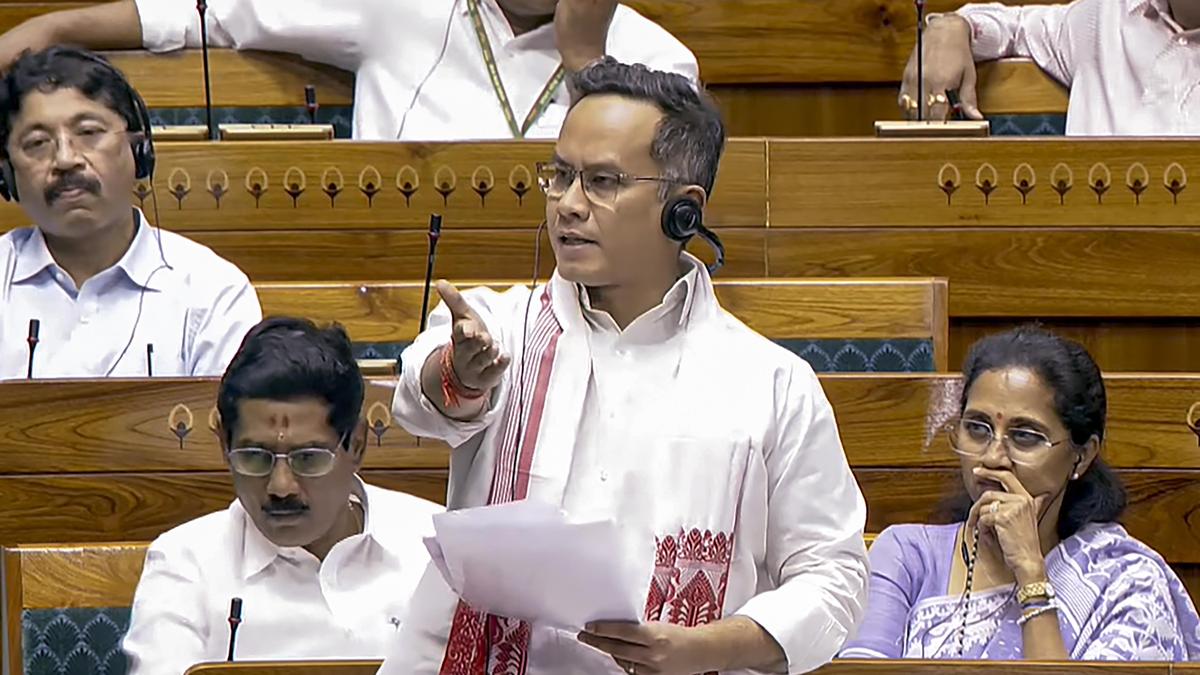
On March 10, 2026, Congress MP Gaurav Gogoi initiated a debate in the Lok Sabha on a resolution for the removal of Speaker Om Birla, accusing him of partisan behavior and obstructing the opposition’s ability to raise critical issues. Gogoi argued that the Speaker’s actions, including interrupting the Leader of the Opposition (LoP) Rahul Gandhi during debates, undermined the Constitution and the dignity of the House. The resolution, supported by over 50 members, was moved by Congress MPs K Suresh, Mallu Ravi, and Mohammad Jawed.
Key Points:
* Gaurav Gogoi accused Speaker Om Birla of “partisan behaviour” and obstructing the LoP from speaking on critical issues.
* The opposition cited instances where Rahul Gandhi was allegedly interrupted while trying to raise issues related to former army chief MM Naravane’s remarks, an ongoing investigation in the US involving a minister, and trade deals between the EU, the U.S., and India.
* Gogoi referenced a Supreme Court case (Nabam Rebia versus the deputy speaker) to emphasize the need for the Speaker to maintain “elevated independence, impeccable objectivity, irreproachable fairness, and above all absolute impartiality.”
* Parliamentary Affairs Minister Kiren Rijiju and Home Minister Amit Shah engaged in exchanges during the debate, highlighting the contentious nature of the proceedings.
* The resolution for removal was supported by over 50 members and admitted to the House.
* Three Lok Sabha speakers previously faced no-confidence motions: G V Mavlankar (1954), Hukam Singh (1966), and Balram Jakhar (1987), all of which were defeated.
Critical Analysis:
The timing of the no-confidence motion during the Budget Session suggests a calculated move by the opposition to leverage parliamentary procedures and public attention to challenge the Speaker’s authority. The historical context of previous unsuccessful no-confidence motions against Speakers indicates the steep uphill battle the opposition faces.
Key Takeaways:
* The opposition perceives a bias in the Speaker’s handling of parliamentary proceedings.
* The incident highlights the escalating tensions between the ruling party and the opposition in the Lok Sabha.
* The invocation of constitutional principles and past precedents underscores the gravity of the situation.
* The outcome of the resolution will likely have significant implications for the functioning of the Lok Sabha and the balance of power between the government and the opposition.
* The debate reveals the strategic importance both sides place on controlling the narrative within the Parliament.
Impact Analysis:
The attempt to remove the Lok Sabha Speaker, even if unsuccessful, sets a precedent and could further polarize the political climate. If the resolution fails, the opposition’s credibility might be questioned, but if it succeeds, it could significantly weaken the government’s ability to control the legislative agenda. The long-term impact will depend on how the underlying issues of impartiality and freedom of speech within the Parliament are addressed following this event. This event could lead to reforms in parliamentary procedure or further entrenchment of partisan divisions.
 First Piper