
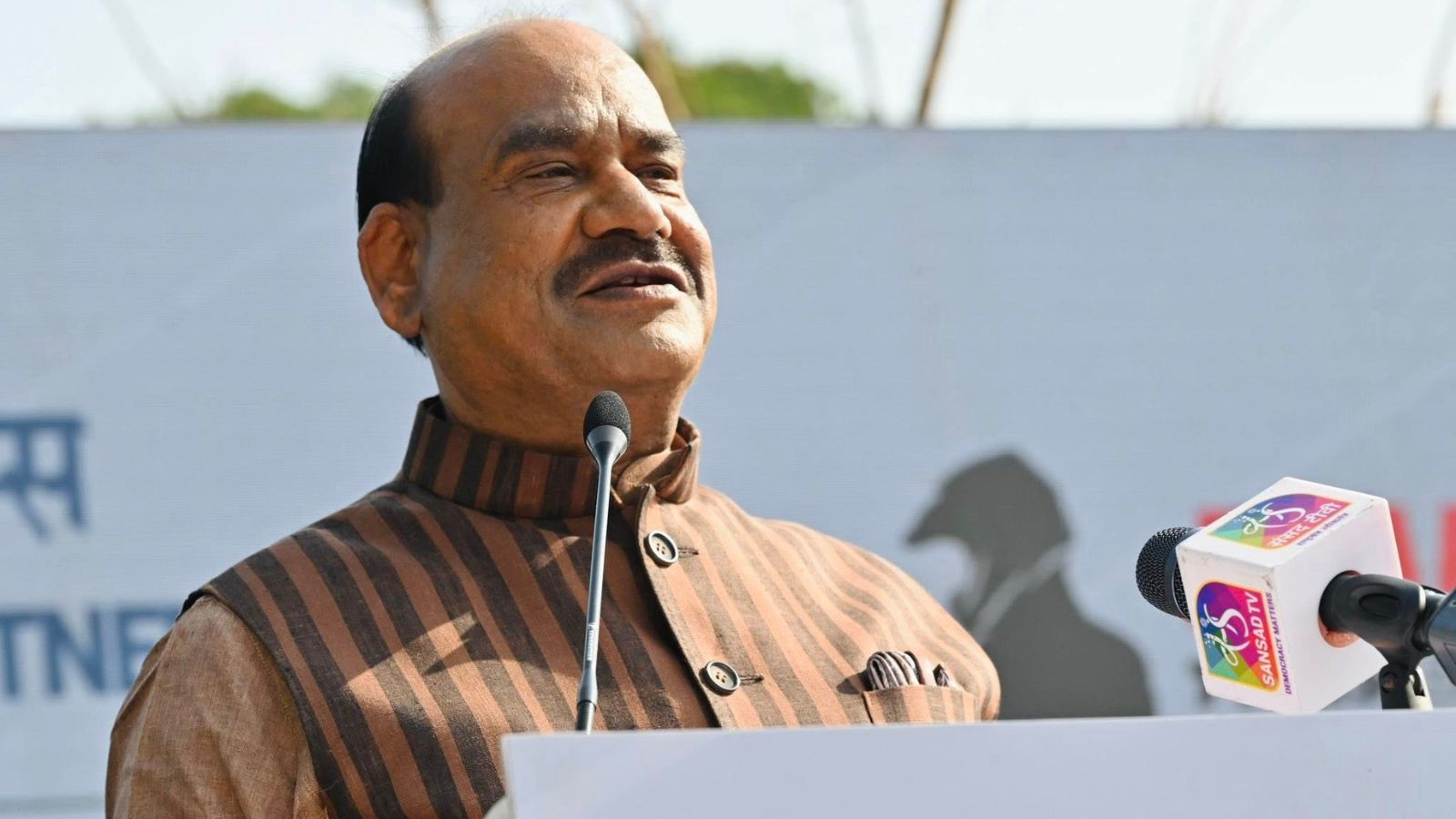
Tue Mar 10 08:15:37 UTC 2026: Headline: Opposition Moves No-Confidence Motion Against Lok Sabha Speaker Om Birla
The Story:
Indian politics witnessed heightened tensions this week as a Congress-led coalition of 118 Members of Parliament (MPs) initiated a no-confidence motion against Lok Sabha Speaker Om Birla, accusing him of partisan conduct. Congress MP Mohammad Jawed formally tabled the resolution in the Lok Sabha on Tuesday, March 10, 2026, sparking a national debate about the process and likelihood of impeaching a Lok Sabha Speaker. The motion stems from allegations that Birla disallowed opposition leaders, including Rahul Gandhi, from speaking during debates and for suspending eight MPs during the Budget session.
The impeachment procedure, rooted in Article 94 of the Constitution, requires a resolution passed by an effective majority of the House (more than 50% of the full strength) after a 14-day notice period. While the Speaker can defend himself and vote, he cannot preside over the proceedings during the debate. Despite the opposition’s efforts, political analysts widely expect the motion to fail, given the ruling NDA coalition’s majority in the Lok Sabha.
Key Points:
- A Congress-led coalition of 118 MPs moved a no-confidence motion against Lok Sabha Speaker Om Birla.
- The motion alleges partisan conduct, specifically preventing opposition leaders from speaking and suspending MPs.
- Congress MP Mohammad Jawed tabled the resolution in Lok Sabha on March 10, 2026.
- The impeachment process is outlined in Article 94 of the Constitution, requiring a majority vote of the House’s full strength.
- Speaker Om Birla can defend himself and vote, but cannot preside over the proceedings during the debate.
- Union Parliamentary Affairs Minister Kiren Rijiju predicted the motion’s defeat.
- Similar motions against Speakers have been attempted in the past (GV Mavalankar in 1954, Hukam Singh in 1966, and Balram Jakhar in 1987), but none were successful.
Critical Analysis:
The timeline of events leading up to the no-confidence motion reveals a clear escalation of tensions between the opposition and the Speaker. The repeated claims by Gaurav Gogoi regarding opposition members, particularly Rahul Gandhi, being disallowed to speak, coupled with the subsequent tabling of the resolution by Mohammad Jawed, indicates a coordinated strategy by the Congress-led coalition to challenge the Speaker’s impartiality. This suggests the motion is not merely a spontaneous reaction but a calculated political move aimed at highlighting perceived biases within the Lok Sabha.
Key Takeaways:
- The no-confidence motion highlights a significant rift between the ruling party and the opposition regarding parliamentary procedures and fairness.
- The motion, while unlikely to succeed, serves as a powerful tool for the opposition to voice its concerns and put pressure on the government.
- The historical context suggests that impeaching a Lok Sabha Speaker is exceptionally difficult due to the ruling party’s usual majority.
- The events underscore the importance of the Speaker’s role in maintaining impartiality and ensuring fair representation of all voices in the Parliament.
- The opposition is using the motion to make a political statement, challenging the perceived dominance of the ruling party in parliamentary proceedings.
Impact Analysis:
The no-confidence motion, regardless of its outcome, is likely to have several lasting impacts:
- Increased Polarization: The event will likely deepen the existing political divide, making bipartisan cooperation even more challenging.
- Scrutiny of Speaker’s Role: The motion will bring heightened scrutiny to the Speaker’s conduct and decisions, potentially influencing future parliamentary proceedings.
- **
 First Piper