
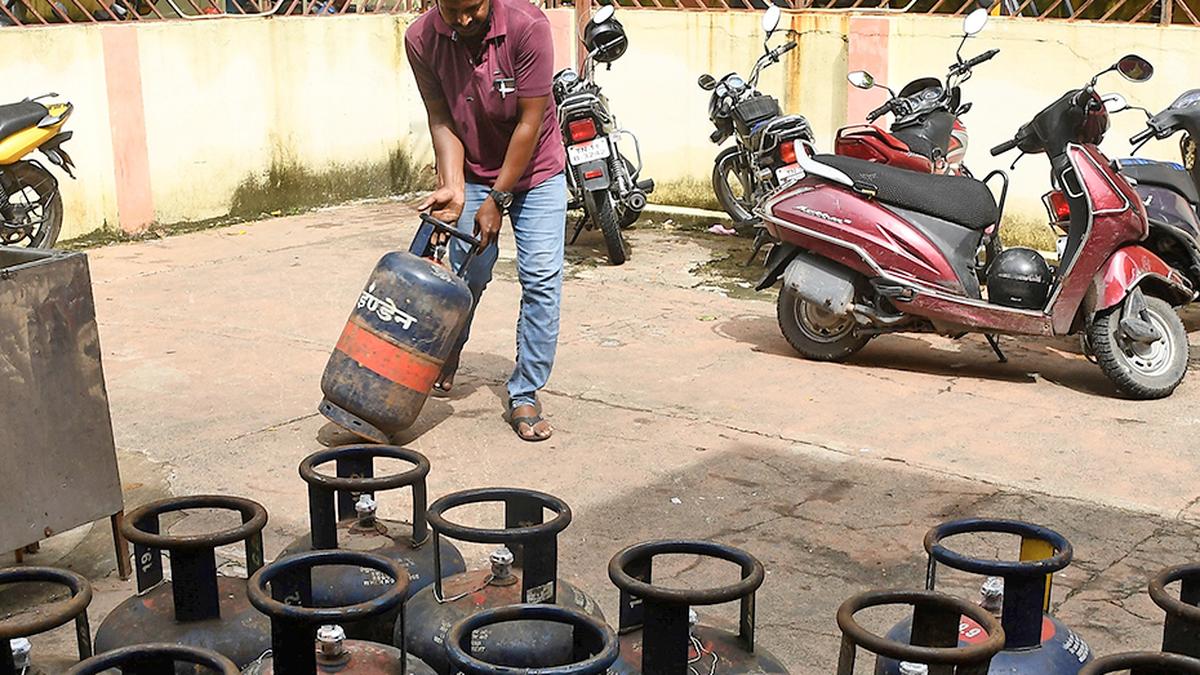
Tue Mar 10 05:06:05 UTC 2026: Headline: Middle East Conflict Triggers LPG Shortage in India, Threatening Hospitality Sector
The Story:
A sudden shortage of commercial LPG cylinders has alarmed India’s hospitality sector, with restaurant associations warning of potential closures if supplies are not restored. This crisis stems from the widening conflict in the Middle East, specifically the U.S. and Israel attack on Iran, and Tehran’s retaliation, which has disrupted fuel lifelines, including India’s LPG imports. The Indian government is prioritizing domestic cooking gas supplies, leading to a crunch for hotels and restaurants that rely on market-priced commercial LPG.
The Oil Ministry has formed a committee to address supply issues and is directing refineries to maximize LPG output while extending the LPG refill booking cycle. However, industry sources indicate that the disruption has already begun impacting operations in major cities like Mumbai and Bengaluru.
Key Points:
- India consumes approximately 31.3 million tonnes of LPG annually, with 87% going to the domestic sector.
- 62% of India’s total LPG requirement is met through imports.
- The closure of the Strait of Hormuz, through which 85-90% of India’s LPG imports flow, is a key factor in the shortage.
- The government is prioritizing domestic LPG supply and has extended the LPG refill booking cycle to 25 days from 21 days.
- A committee of three Executive Directors (EDs) of Oil Marketing Companies (OMCs) has been constituted to review the representations for LPG supply to restaurants/hotels/other industries
Critical Analysis:
The timing of the LPG shortage, concurrent with unrelated events such as sports news, theatre news, and tennis tournament updates on March 10, 2026, highlights the global interconnectedness and the potential for geopolitical events to have immediate and significant impacts on seemingly unrelated domestic sectors. The government’s prioritization of domestic supplies over commercial needs reflects a calculated decision to mitigate potential public unrest, even at the expense of the hospitality industry.
Key Takeaways:
- Geopolitical instability in the Middle East poses a significant threat to India’s energy security, particularly its LPG supply.
- India’s heavy reliance on LPG imports makes it vulnerable to disruptions in global supply chains.
- The government’s response indicates a focus on maintaining social stability by prioritizing domestic fuel needs over commercial interests.
- The hospitality sector faces potential economic hardship due to the LPG shortage.
- Diversification of LPG import sources and increased domestic production are crucial for mitigating future supply disruptions.
Impact Analysis:
The LPG shortage could have several long-term implications:
- Economic Impact: Restaurant closures and reduced operations could lead to job losses and a decline in revenue for the hospitality sector.
- Policy Changes: The crisis may prompt the government to invest in alternative energy sources and diversify its LPG import partners to reduce dependence on the Middle East.
- Price Volatility: The shortage could drive up LPG prices, impacting both households and businesses.
- Geopolitical Strategy: India may need to reassess its diplomatic and strategic relationships in the Middle East to ensure a stable energy supply.
- Consumer Behavior: Households may need to adapt to longer refill booking cycles and potential rationing of LPG.
 First Piper