
Mon Mar 09 08:02:38 UTC 2026: ### Headline: Oil Prices Surge as Iran-U.S. War Disrupts Middle East Oil Supply
The Story:
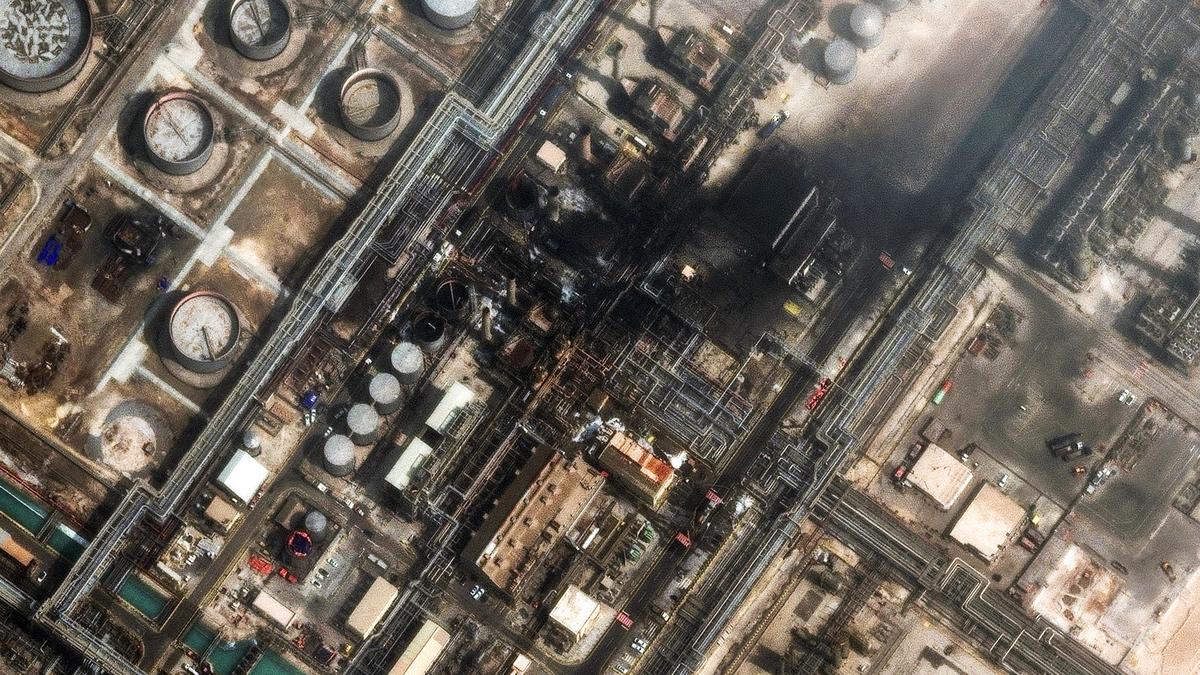
The ongoing war between Iran and the U.S. has significantly impacted global oil markets, causing prices to surge. Attacks on oil infrastructure in Saudi Arabia and disruptions to shipping through the Strait of Hormuz have led to reduced oil production and transit in the region. Brent crude oil prices have risen to $114 per barrel as of March 9, 2026, a 23% increase from March 6, 2026. The conflict has expanded to include multiple countries in the Middle East, further destabilizing the oil supply chain.
Key Points:
- Brent crude oil prices have jumped 23% to $114 per barrel by March 9, 2026, due to the Iran-U.S. war.
- Attacks have targeted oil infrastructure in Saudi Arabia (Ras Tanura oil refinery) and the UAE (Fujairah port).
- Iran has attacked ships and declared the Strait of Hormuz closed on March 2, 2026, disrupting a key oil transit chokepoint through which approximately 20% of global oil consumption passes.
- Gulf countries have cut down on oil production or paused contracts.
- India imports over 80% of its crude oil, with at least 54% coming from West Asian countries.
- India has a 100 million barrel crude oil reserve, sufficient for 40-45 days of supply if the Strait is blocked.
Key Takeaways:
- The Iran-U.S. war is having a direct and significant impact on global oil prices and supply.
- Disruptions to oil production and transit in the Middle East pose a substantial threat to energy security, particularly for oil-importing nations like India.
- Alternative oil supply routes and strategic reserves are crucial for mitigating the impact of such disruptions.
Impact Analysis:
The ongoing conflict and its impact on oil supplies have long-term implications:
- Economic Instability: Surging oil prices can lead to inflation and economic instability in countries heavily reliant on oil imports.
- Geopolitical Realignment: The crisis may accelerate the search for alternative energy sources and encourage countries to diversify their oil suppliers, potentially altering geopolitical alliances.
- Increased Regional Tensions: The expansion of the conflict to multiple countries in the Middle East could exacerbate existing tensions and lead to further regional instability.
- Energy Security Concerns: Nations will likely re-evaluate their energy security strategies, including increasing domestic production, diversifying import sources, and building larger strategic reserves.
 First Piper