
Tue Mar 10 11:25:14 UTC 2026: # Tamil Nadu CM Addresses US-Iran Conflict Impact and LPG Shortage
The Story:
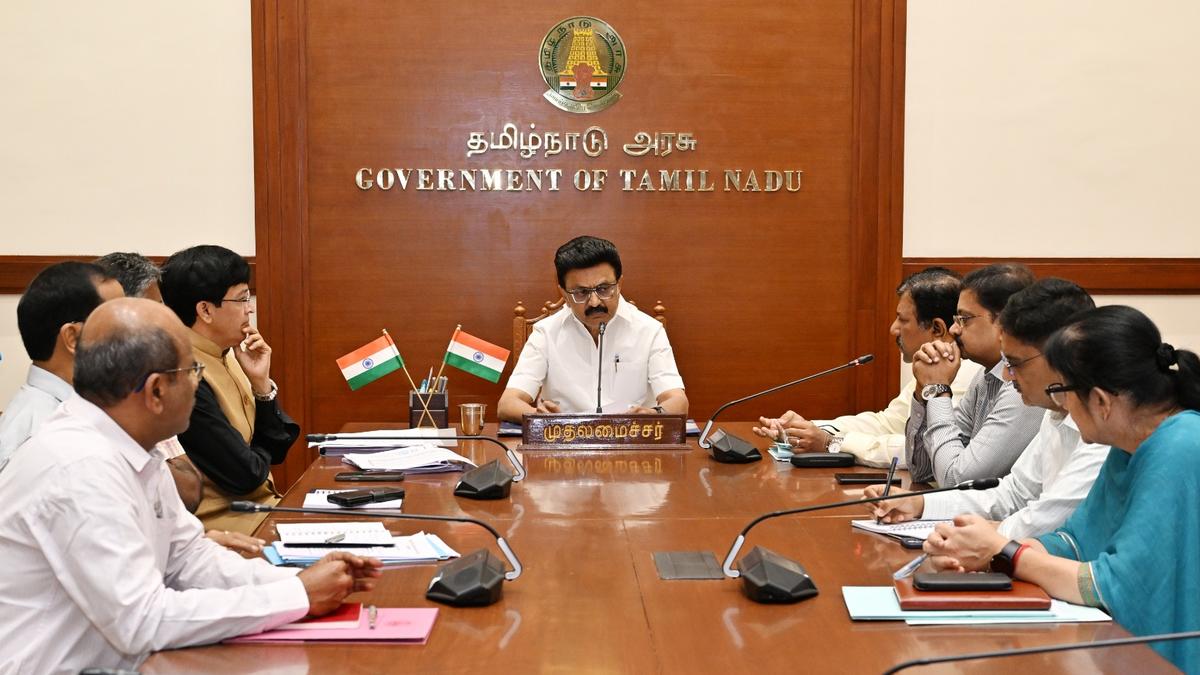
On March 10, 2026, Tamil Nadu Chief Minister M.K. Stalin convened a meeting at the Secretariat in Chennai to assess the potential repercussions of the ongoing US-Iran conflict on the state. The meeting focused on the LPG cylinder shortage affecting restaurants and other commercial establishments. Mr. Stalin has also written to Prime Minister Narendra Modi, urging the Union government to ensure the safety of Tamil citizens residing in the Gulf countries and to protect Tamil Nadu fishermen stranded in the region. He further requested immediate alternative arrangements to mitigate the impact of the LPG shortage on the public, businesses, and MSME industries within Tamil Nadu.
Key Points:
- M.K. Stalin chaired a meeting on March 10, 2026, regarding the US-Iran conflict’s impact on Tamil Nadu.
- The meeting addressed the LPG cylinder shortage and its effects on restaurants.
- Mr. Stalin has written to Prime Minister Narendra Modi seeking intervention.
- The letter emphasizes the safety of Tamils in Gulf countries and stranded fishermen.
- Alternative arrangements for commercial establishments affected by the LPG shortage were requested.
Critical Analysis:
The series of news snippets reveals a nationwide LPG shortage crisis stemming from the ongoing US-Iran conflict. Tamil Nadu, Kerala, Punjab, Karnataka, and other states are all experiencing disruptions in LPG supply, impacting hotels, restaurants, and even households. This suggests a significant disruption to the global supply chain, likely due to the conflict affecting shipping routes or production capabilities in the Middle East. The urgency of the situation is underscored by the fact that hoteliers are willing to pay any price for LPG, but supplies are simply unavailable. Chief Minister Stalin’s proactive response indicates a recognition of the potential for widespread economic and social disruption within Tamil Nadu.
Key Takeaways:
- The US-Iran conflict is having tangible economic consequences in India.
- LPG shortages are significantly impacting the hospitality sector across multiple states.
- State governments are appealing to the Union government for assistance in managing the crisis.
- The conflict is raising concerns about the safety and welfare of Indian citizens abroad.
- There is a potential for broader economic disruption if the LPG shortage persists.
Impact Analysis:
The LPG shortage, directly linked to the US-Iran conflict, has significant short-term and potential long-term implications for India. In the short term, the hospitality sector faces reduced service, menu limitations, and potential closures, leading to job losses and economic hardship. The impact extends to households and smaller businesses reliant on LPG. Long term, the crisis could lead to increased food prices, inflation, and a strain on energy resources. The government’s response to this crisis will be crucial in mitigating the negative impacts and ensuring energy security. The incident also highlights India’s vulnerability to geopolitical events affecting global supply chains, potentially leading to a re-evaluation of energy sourcing and diversification strategies.
 First Piper