
Tue Mar 10 13:30:55 UTC 2026: # Iran’s Attacks Escalate Across Gulf Region Amidst Rising Tensions
The Story:
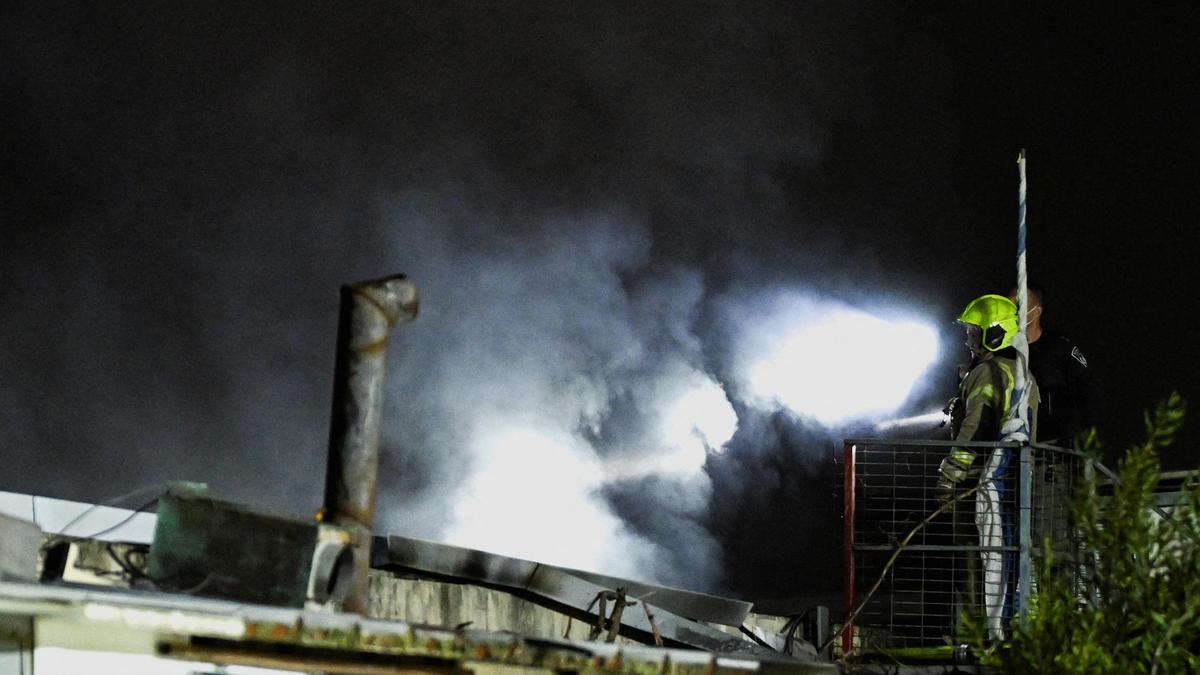
On March 10, 2026, Iran intensified its attacks across the Gulf region, targeting the United Arab Emirates, Bahrain, and Saudi Arabia with missiles and drones. Simultaneously, an airstrike in northern Iraq killed five pro-Iranian militants. The escalating conflict has severely disrupted oil supplies, causing Brent crude prices to initially spike to nearly $120 a barrel before settling around $90, a 24% increase since the war’s beginning on February 28. The Strait of Hormuz, a critical shipping lane for global oil transport, has been effectively blocked by Iran, further exacerbating the energy crisis.
The United States and Iran have engaged in increasingly bellicose rhetoric, with President Trump downplaying the conflict as a “short-term excursion” while simultaneously threatening Iran with severe retaliation if it impedes oil flow through the Strait of Hormuz. Iranian officials, meanwhile, have asserted their determination to decide when the war ends and have signaled readiness for a prolonged conflict, blaming American and Israeli “aggression” for the ongoing crisis.
Key Points:
- Iran launched missile and drone attacks targeting the UAE, Bahrain, and Saudi Arabia on March 10, 2026.
- Five pro-Iranian militants were killed in an airstrike in northern Iraq.
- The Strait of Hormuz is effectively blocked, disrupting 20% of the world’s oil supply.
- Brent crude oil prices spiked to nearly $120 a barrel.
- President Trump downplayed the conflict while threatening Iran.
- Iranian officials declared their readiness for a long war and blamed the U.S. and Israel.
- Attacks on Hezbollah in Lebanon and U.S. bases in Iraq have intensified.
- Over 1,230 people have been killed in Iran, 397 in Lebanon, and 11 in Israel since the war began.
- Seven U.S. service members have been killed.
Critical Analysis:
The provided historical context reveals a clear escalation in the conflict. The Pentagon chief’s announcement of intensified U.S. strikes on Iran, coupled with reports of Israel-Iran war updates indicating the U.S. is ramping up to its “most intense day of strikes,” suggests a coordinated effort to exert maximum pressure on Iran. The article about Ukrainian drone interceptors hints at the types of defensive measures being deployed to counter Iranian attacks. This context underscores that the events of March 10, 2026, are not isolated incidents but part of a larger, escalating military campaign involving multiple actors with strategic objectives.
Key Takeaways:
- The conflict between Iran, the U.S., and Israel is rapidly escalating, expanding beyond initial skirmishes.
- The disruption of oil supplies via the Strait of Hormuz has significant global economic implications.
- The rhetoric from both the U.S. and Iran suggests a lack of willingness to de-escalate the conflict through diplomacy.
- The involvement of pro-Iranian militias in Iraq and Hezbollah in Lebanon indicates a regional proxy war dynamic.
- The increasing casualties underscore the human cost of the escalating conflict.
Impact Analysis:
The current trajectory of events suggests a potentially protracted regional conflict with far-reaching consequences. The disruption of oil supplies will likely continue to impact global markets, driving up energy prices and potentially triggering economic instability. The increased military activity and involvement of multiple actors raise the risk of miscalculation and further escalation, possibly drawing in other regional and global powers. The long-term impact could include a reshaping of the geopolitical landscape in the Middle East, with significant implications for regional stability, security
 First Piper