
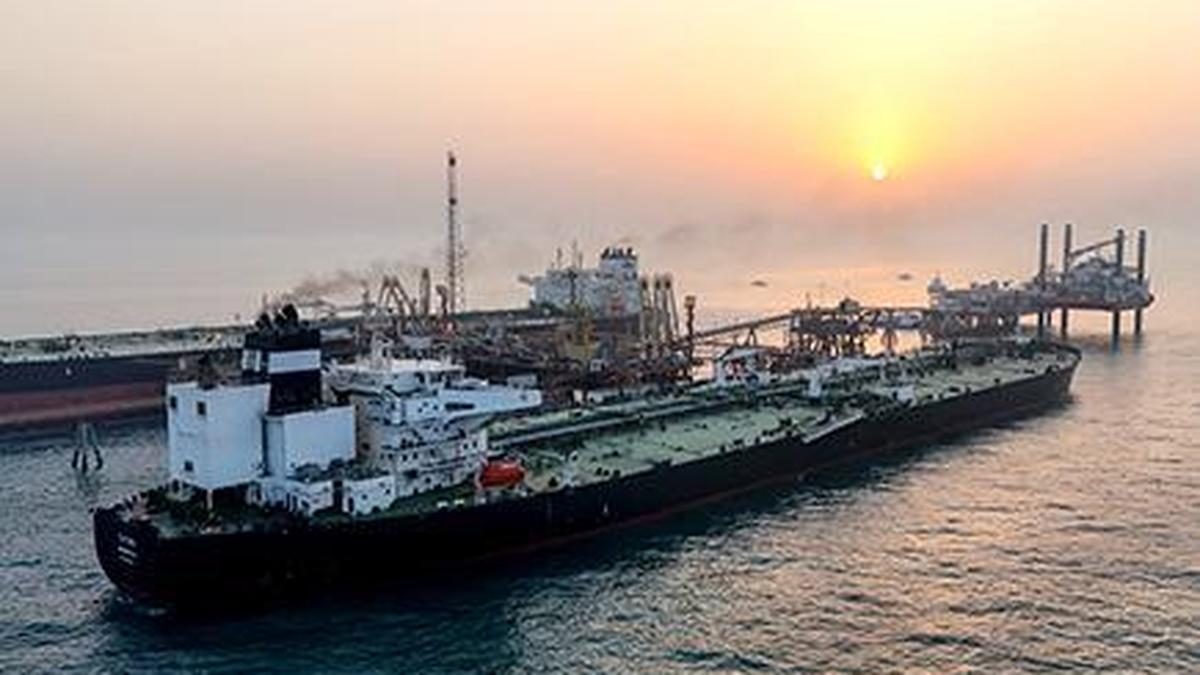
Tue Mar 10 00:40:00 UTC 2026: Headline: Oil Prices Surge to $114 Amid Intensifying Iran War, Threatening Global Economy
The Story:
On March 9, 2026, oil prices soared to levels not seen since 2022, with Brent crude reaching over $114 per barrel, a 23% increase from its closing price on March 6. This surge is attributed to the escalating conflict between Iran, Israel, and the United States, which has disrupted oil production and shipping in the West Asia region. Attacks on oil and gas facilities, coupled with the threat to shipping through the Strait of Hormuz, have fueled concerns about global oil supply, impacting financial markets and raising fears of increased inflation.
Key Points:
- Brent crude oil price surged to over $114 per barrel, a 23% increase from March 6, 2026.
- West Texas Intermediate also reached about $114 a barrel, a 25% increase.
- Bahrain accused Iran of striking a desalination plant, while oil depots in Tehran smoldered after Israeli strikes.
- Countries like Iraq, Kuwait, and the UAE have cut oil production due to reduced export capabilities.
- The Strait of Hormuz, a critical route for approximately 20% of the world’s oil supply, faces disruption due to Iranian threats.
- U.S. gasoline prices rose to $3.45 per gallon on March 8, up 47 cents from the previous week, while diesel hit $4.6 a gallon, up 83 cents.
- U.S. stock index futures fell on March 8, signaling a negative market opening on March 9.
Critical Analysis:
The surge in oil prices is a direct consequence of the military actions and escalating tensions in the Iran-Israel conflict. The attacks on critical infrastructure like oil depots and desalination plants are designed to cripple the opposing nation’s ability to sustain the war effort and exert economic pressure. The disruption of shipping through the Strait of Hormuz further compounds the problem, as it threatens a significant portion of the world’s oil supply, creating a supply shock.
Key Takeaways:
- The Iran-Israel war has immediate and significant ramifications for the global energy market.
- Disruptions to oil production and shipping routes can quickly translate into higher prices for consumers worldwide.
- Geopolitical instability in key oil-producing regions poses a constant threat to global economic stability.
- The conflict highlights the vulnerability of critical infrastructure to military attacks.
- The rise in oil prices is likely to exacerbate inflationary pressures, potentially leading to reduced consumer spending and slower economic growth.
Impact Analysis:
The long-term impact of the Iran-Israel war on the global economy could be substantial. Sustained high oil prices could trigger a recession in major economies, particularly the United States, given its dependence on consumer spending. The conflict may also accelerate the transition to renewable energy sources as countries seek to reduce their dependence on volatile oil markets. Furthermore, the war could lead to a realignment of geopolitical alliances, with countries reassessing their relationships with Iran, Israel, and the United States. The damage to Iranian oil infrastructure could hinder its export capabilities for years to come, further impacting the global oil supply.
 First Piper