
Tue Mar 10 05:34:25 UTC 2026: ### Project Cheetah Faces Scrutiny Amidst Rising Concerns Over Habitat and Mortality Rates
The Story:
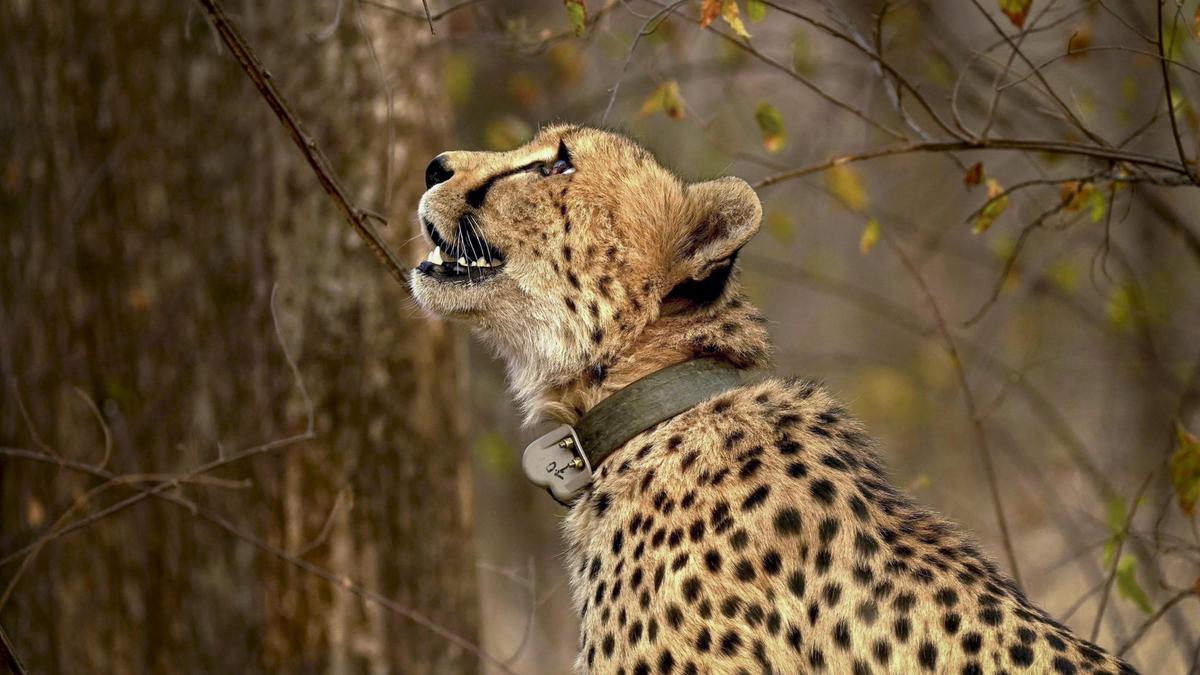
India’s ambitious Project Cheetah, initiated in 2022 to reintroduce cheetahs to the country after their extinction in 1952, is facing increasing criticism despite recent successes in breeding. The project involves translocating African cheetahs to Kuno National Park in Madhya Pradesh. A new batch of nine cheetahs arrived from Botswana last week, bringing the total to 53, including 33 cubs born in India. While the government touts the project as a conservation success and aims for a self-sustaining metapopulation of 60-70 cheetahs by 2032, scientists are raising serious concerns about the lack of suitable habitat, prey availability, and high mortality rates among the introduced animals.
Key Points:
- Nine cheetahs were recently translocated from Botswana to Kuno National Park, bringing the total cheetah population in India to 53.
- The project aims to establish a population of 60-70 cheetahs across 17,000 sq. km by 2032.
- Scientists, including Ravi Chellam and Nitin Rai, are calling for a halt to further cheetah imports due to inadequate habitat and prey.
- 14 cheetahs (nine adults and five cubs) have died at Kuno National Park due to various causes, including heart failure, conflict, and disease.
- Critics argue the project is a “green grab” used for territorial control and displacement of forest dwellers.
- Y.V. Jhala, the project’s designer, remains optimistic and advocates for habitat restoration and voluntary relocation of human settlements.
Key Takeaways:
- Project Cheetah, while demonstrating breeding success, is overshadowed by concerns regarding habitat suitability and high mortality rates.
- There is a significant divide between government optimism and scientific skepticism regarding the project’s long-term viability.
- The project’s potential impact on local communities and land use is a point of contention.
- The focus on captive breeding may be diverting attention from the fundamental need for suitable wild habitats.
- The project’s success hinges on addressing the ecological and socio-economic challenges raised by critics.
Impact Analysis:
The future of Project Cheetah hangs in the balance. If the concerns regarding habitat, prey availability, and community impact are not adequately addressed, the project risks becoming a costly and ultimately unsuccessful conservation effort. The high mortality rate among the cheetahs raises ethical questions about the translocation of wild animals into potentially unsuitable environments. The long-term impact could include:
- Ecological Damage: Continued introduction of cheetahs without sufficient habitat could lead to further stress on the existing ecosystem and endanger other species.
- Community Displacement: The “green grab” allegations suggest potential displacement of forest dwellers, leading to social unrest and injustice.
- Reputational Risk: Failure of the project could damage India’s reputation in the global conservation community.
- Financial Waste: Continued investment in a project with questionable viability represents a misallocation of resources that could be used for other conservation efforts.
- Policy Shift: The controversy surrounding Project Cheetah may prompt a re-evaluation of India’s approach to wildlife conservation and translocation projects, emphasizing ecological sustainability and community involvement.
 First Piper