
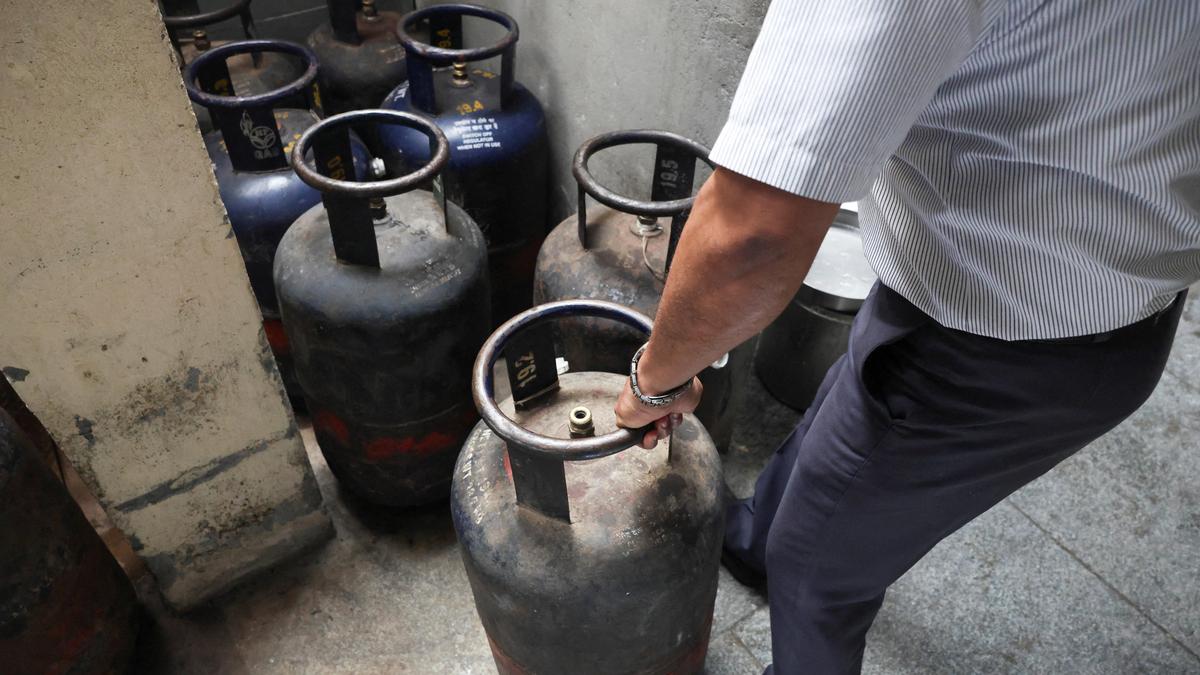
Tue Mar 10 11:17:39 UTC 2026: ### Headline: India’s Hospitality Sector Faces Shutdowns Amid LPG Shortage Triggered by US-Israel Conflict with Iran
The Story:
India’s restaurant and hotel industry is facing a severe crisis due to disruptions in the supply of commercial LPG, triggered by the ongoing U.S.-Israel conflict with Iran. Hoteliers across multiple states have warned of potential shutdowns, urging the government to ensure an uninterrupted supply of cooking gas. The crisis has already forced some establishments to limit their services or restrict their menus, with projections indicating widespread closures if the situation doesn’t improve.
The government has acknowledged the issue and initiated measures, including setting up a committee to review supply shortages and invoking the Essential Commodities Act to prioritize domestic LPG supply. However, these measures have sparked concerns among state governments, who fear unintended consequences for the commercial sector.
Key Points:
- The National Restaurant Association of India (NRAI) and other hotel associations have warned of catastrophic closures due to LPG shortages.
- Some eateries in Bengaluru and Coimbatore have already limited services and menus as of March 10, 2026.
- Around 20% of hotels and restaurants in Mumbai have shut down, with projections of nearly 50% closing if the situation worsens within two days.
- Close to 90% of India’s LPG import and 30% of natural gas requirements are routed through the Strait of Hormuz, which is now shut by Iran.
- The Ministry of Petroleum and Natural Gas has set up a committee to review the shortages and invoked the Essential Commodities Act.
- On March 6, 2026, the Ministry directed refineries to maximize LPG output and prioritized domestic gas supply, leading to concerns from state governments like Karnataka.
- On March 7, 2026, the prices of non-subsidized domestic LPG cylinders were increased by ₹60, and commercial LPG by ₹114.5 per 19 kg cylinder.
- Tamil Nadu Chief Minister M.K. Stalin has written to Prime Minister Narendra Modi seeking alternative arrangements.
Critical Analysis:
The unfolding crisis highlights India’s vulnerability to geopolitical tensions in the Middle East, particularly concerning energy supply routes. The closure of the Strait of Hormuz, a critical chokepoint for LPG imports, has exposed the fragility of India’s supply chain. The government’s initial response, prioritizing domestic LPG supply, while aimed at protecting household consumers, has inadvertently exacerbated the crisis for the commercial sector, indicating a lack of comprehensive planning and foresight. The historical context provided also suggests that the LPG crisis is intensifying, with restaurants across India cutting service timings and menus.
Key Takeaways:
- Geopolitical events in the Middle East, specifically the U.S.-Israel conflict with Iran and the closure of the Strait of Hormuz, have a direct and immediate impact on India’s energy security and economy.
- India’s heavy reliance on LPG imports makes it susceptible to supply chain disruptions.
- Government policies aimed at mitigating the crisis need to consider the needs of both domestic and commercial consumers to avoid unintended consequences.
- The hospitality sector, a significant contributor to the Indian economy, faces a severe threat, potentially leading to job losses and economic disruption.
- The crisis underscores the need for India to diversify its energy sources and strengthen its supply chain resilience.
Impact Analysis:
The LPG shortage is poised to have significant short-term and long-term repercussions for India. In the short term, the closure of restaurants and hotels will disrupt daily life, particularly for those reliant on these establishments for meals. Food price inflation is also likely, impacting consumers across the board.
Longer-term, the crisis could damage
 First Piper