
Tue Mar 10 09:00:00 UTC 2026: # Van Allen Probe A Set to Re-enter Earth’s Atmosphere After 14 Years
The Story:
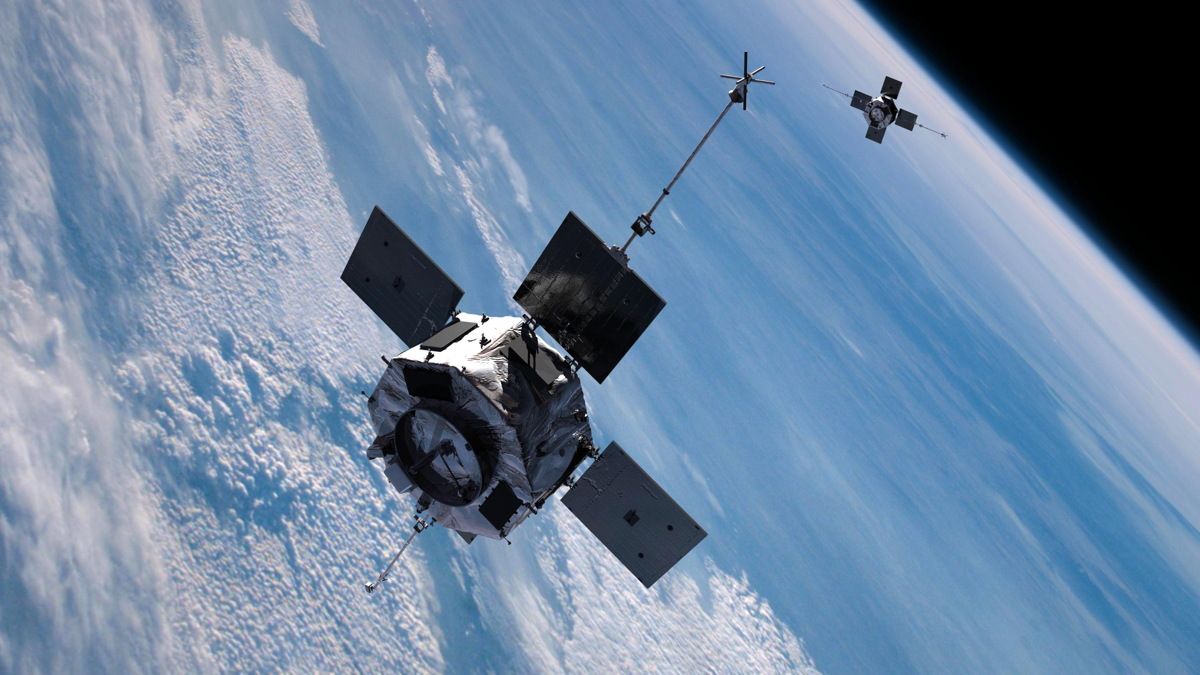
A NASA satellite, the Van Allen Probe A, is scheduled to re-enter Earth’s atmosphere on Tuesday, March 10, 2026, after nearly 14 years in orbit. Launched in August 2012 along with its twin, Van Allen Probe B, the spacecraft was designed to study the radiation belts around Earth. Both probes were deactivated in 2019. NASA expects most of the 1,323-pound (600-kilogram) satellite to burn up during re-entry, although some components may survive.
Key Points:
- The Van Allen Probe A is predicted to re-enter the atmosphere on March 10, 2026, at 7:45 p.m. EDT (2345 GMT), plus or minus 24 hours.
- NASA estimates the risk of harm to anyone on Earth is low, approximately 1 in 4,200 (0.02%).
- The Van Allen Probes, originally called the Radiation Belt Storm Probes, operated from 2012 until 2019, gathering data on Earth’s radiation belts.
- The mission was initially planned to last two years.
- Increased solar activity has caused the Earth’s atmosphere to expand, increasing frictional drag on the satellite, leading to earlier re-entry than initially projected.
- Van Allen Probe B is expected to re-enter before 2030.
Critical Analysis:
The related historical context reveals a pattern of increasing attention to space debris and near-Earth objects. The news items regarding asteroid deflection and altered orbits suggest a growing capability and concern regarding potential threats from space. The re-entry of Van Allen Probe A, while presented as low-risk, occurs within this context, highlighting the broader issue of managing objects in Earth’s orbit and mitigating potential risks. The unexpected early re-entry due to increased solar activity also underscores the unpredictability of space weather and its impact on satellites.
Key Takeaways:
- Space agencies are actively monitoring and managing the re-entry of decommissioned satellites.
- Increased solar activity can significantly impact the lifespan of satellites in orbit.
- Despite the low individual risk, the cumulative effect of multiple re-entering objects and potential asteroid impacts necessitates continued vigilance and development of mitigation strategies.
- The Van Allen Probes provided valuable data on space weather, which is crucial for protecting satellites, astronauts, and terrestrial infrastructure.
- The event underscores the increasing importance of space weather forecasting and its implications for space operations.
Impact Analysis:
The re-entry of Van Allen Probe A, combined with the context of asteroid deflection efforts, signals a growing awareness and proactive approach to managing space-related risks. This heightened awareness may lead to increased investment in space debris monitoring and removal technologies, as well as further research into the effects of solar activity on Earth’s atmosphere and orbiting objects. The successful operation and subsequent re-entry of the Van Allen Probes serve as a case study for future satellite missions, informing design considerations and operational strategies to minimize risks and maximize data collection. The data obtained from the probes will continue to be valuable for years to come, improving space weather forecasts and protecting critical infrastructure.
 First Piper