
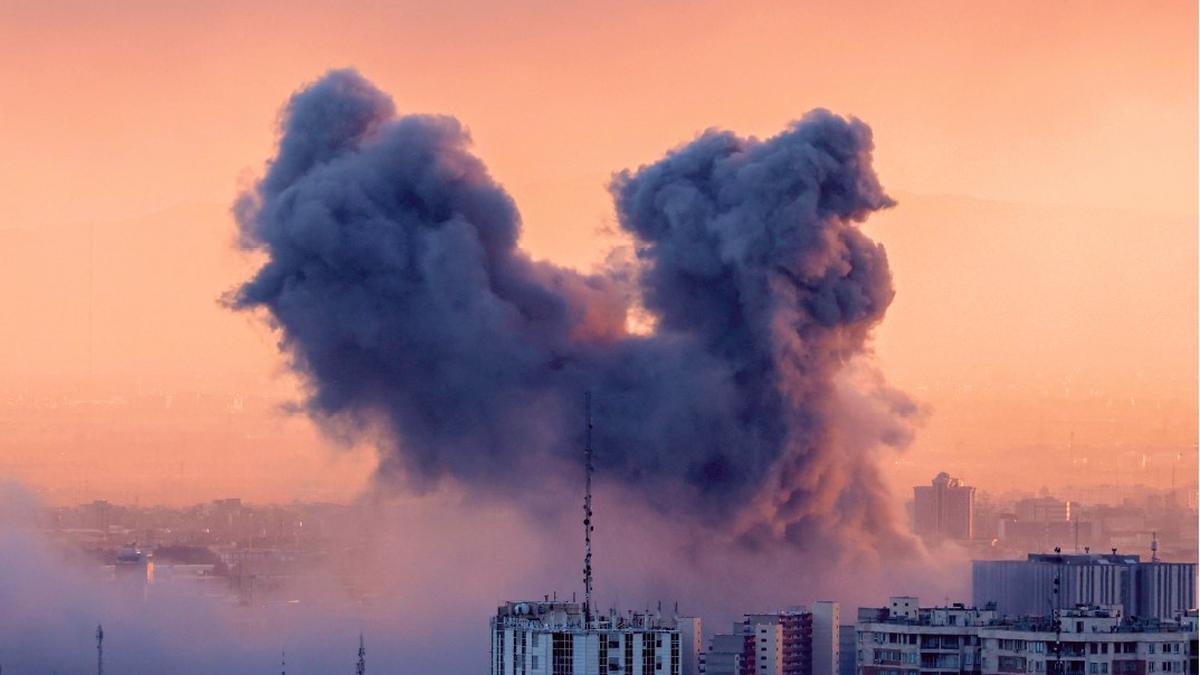
Sun Mar 08 03:46:17 UTC 2026: Headline: US and Israel Strike Iran, Killing Supreme Leader, Igniting Regional War
The Story:
On February 28, 2026, the United States and Israel launched a sweeping military assault on Iran, resulting in the death of Supreme Leader Ayatollah Ali Khamenei and several top Iranian Generals. Washington claims the strike was pre-emptive, targeting Iran’s nuclear ambitions. The attack triggered immediate retaliatory missile strikes by Iran against Israel and U.S. bases throughout the Gulf region. The escalating conflict has caused widespread devastation, with civilian casualties reported in Iran, Lebanon, and Israel. Global markets are experiencing turbulence, threatening economic crises beyond the immediate war zone.
Key Points:
- The U.S. and Israel initiated a military strike on Iran on February 28, 2026, killing Supreme Leader Ayatollah Ali Khamenei.
- Iran retaliated with missile strikes targeting Israel and U.S. bases across the Gulf, including Bahrain, Saudi Arabia, and the UAE.
- Civilian casualties are mounting, with at least 1,230 deaths in Iran, over 200 in Lebanon, and 11 in Israel.
- Strikes have hit civilian targets, including a girls’ school in Minab, Iran, resulting in approximately 150 deaths, mostly children.
- The conflict is causing significant disruption to global markets and threatening economic instability.
- The Iranian ship IRIS Dena sank off Galle, Sri Lanka, following a US submarine attack.
Critical Analysis:
The assassination of Ayatollah Ali Khamenei represents a significant escalation in the long-standing tensions between the U.S., Israel, and Iran. The “pre-emptive” justification suggests a perceived imminent threat from Iran’s nuclear program, potentially based on intelligence assessments that have not been publicly disclosed. The swift and widespread Iranian retaliation indicates a prepared response strategy and the potential for a protracted regional conflict. The targeting of economic infrastructure and U.S. missions reflects a calculated effort to maximize economic and political pressure on the U.S. and its allies.
Key Takeaways:
- The assassination of a head of state by foreign powers has triggered a major regional war.
- The conflict highlights the dangers of pre-emptive military action and the potential for rapid escalation.
- Civilian populations are disproportionately affected by the war, suffering significant casualties and displacement.
- The war is having a destabilizing effect on global markets and could trigger a wider economic crisis.
- The involvement of non-state actors, such as Hezbollah, adds complexity and unpredictability to the conflict.
Impact Analysis:
The U.S.-Israel-led war against Iran has profound and far-reaching implications. The conflict is likely to destabilize the entire Middle East, potentially drawing in other regional and global powers. The disruption to oil supplies and global trade routes could have severe economic consequences. The rise of anti-Western sentiment and the empowerment of extremist groups could further exacerbate regional instability. The long-term impact of the war will depend on the duration and intensity of the conflict, as well as the political and economic outcomes. The mention of NATO intercepting missiles in Turkish airspace suggests a potential for expansion of the conflict beyond the immediate region. The upcoming press conference by Trump suggests a potential shift in US policy or strategy.
 First Piper