
Mon Mar 09 16:15:21 UTC 2026: ### US-Israeli Bombardment Plunges Iran into Chaos, Sparks Fears of Total Ruin
The Story:
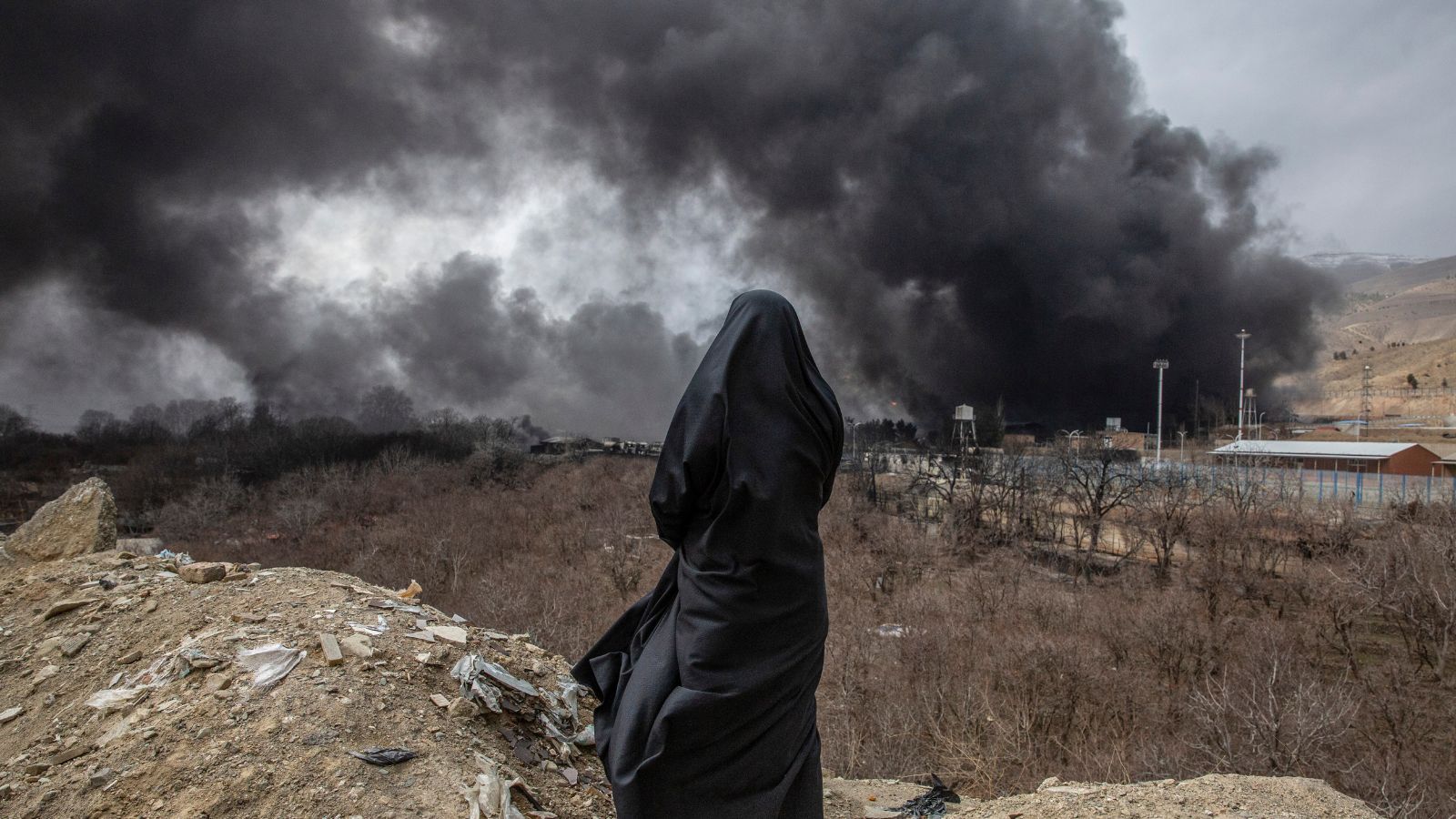
A week after the commencement of US and Israeli airstrikes on Iran, the initial elation felt by some Iranians hoping for the downfall of the theocratic regime has given way to despair. The bombardment, which began on February 28th, 2026, has targeted military, intelligence, and police sites across the country, including the capital, Tehran. While US President Donald Trump called on Iranians to topple their government following the death of Supreme Leader Ayatollah Ali Khamenei, the response from the Iranian government has been swift and brutal, with security forces threatening lethal action against protesters and appointing Khamenei’s hard-line son, Mojtaba Khamenei, as his successor.
The situation is further complicated by a pre-existing economic crisis, the trauma of a violent crackdown on protests in January 2026, and the lingering effects of a brief war with Israel in June 2025. Ordinary Iranians are trapped between the devastation of the airstrikes and the oppressive grip of their government, with limited access to information and mounting fear of retaliation.
Key Points:
- US and Israeli forces initiated airstrikes on Iran on February 28, 2026, targeting military, intelligence, and police sites.
- Ayatollah Ali Khamenei has died, and his son, Mojtaba Khamenei, has been appointed as his successor.
- President Donald Trump has called on Iranians to topple their government.
- Iranian security forces have issued a “shoot to kill” order against protesters, threatening severe consequences for dissent.
- Iranians are facing a deepening economic crisis, limited access to information, and increasing fear of government retaliation.
- The US military has accused Iranian forces of using civilian areas to shield military operations.
- Attacks have targeted fuel storage facilities and a desalination plant, exacerbating existing water crisis.
Critical Analysis:
The provided historical context reveals a pattern of escalating tensions in the region. The rising oil prices and gas shortages reported on March 10, 2026, suggest the war is disrupting global energy markets, adding another layer of complexity. The fear surrounding the Iran women’s football team’s return home is a sign of how the war is impacting social and cultural aspects of Iranian life.
Key Takeaways:
- The US-Israeli intervention in Iran has not led to the swift collapse of the government that some had hoped for.
- The Iranian government is responding to dissent with brutal force, further oppressing its citizens.
- The conflict is exacerbating existing economic and social problems in Iran, leading to widespread fear and uncertainty.
- The destruction of infrastructure, including essential services like desalination plants, will have long-term consequences for the Iranian people.
- The war has the potential to destabilize the entire region, as evidenced by the rising oil prices and gas shortages.
Impact Analysis:
The current situation in Iran has profound and long-term implications. The destruction of infrastructure and the potential for a prolonged conflict could lead to a humanitarian crisis. The appointment of a hard-line successor to Khamenei suggests that the authoritarian regime will likely maintain its grip on power. The deep mistrust of both state media and foreign news outlets indicates a breakdown in public trust and a growing sense of isolation. Even if the current regime is eventually toppled, the level of destruction and the breakdown of essential institutions will make rebuilding Iran a monumental task. The resulting power vacuum could also lead to further instability and the rise of extremist groups.
 First Piper