
Tue Mar 10 08:31:30 UTC 2026: # Biodiversity Hotspot: Unprecedented Species Discovery in Kerala’s Vazhachal Wildlife Division
The Story:
An intensive faunal survey conducted in the Vazhachal wildlife division in Thrissur, Kerala, between February 26 and March 1, 2026, has revealed a remarkable 26 species previously unrecorded in the area. The survey, a collaboration between the Kerala Forest department and the Travancore Nature History Society (TNHS), involved approximately 50 experts and delegates along with an equal number of forest frontline staff. The findings underscore the ecological significance of the Vazhachal landscape as a crucial biodiversity corridor within the Western Ghats.
Key Points:
- 26 previously unrecorded species were documented in the Vazhachal wildlife division.
- The survey was conducted by the Kerala Forest department and TNHS from February 26 to March 1, 2026.
- 175 butterfly species were recorded, including 13 new additions to the division’s checklist.
- 187 bird species were documented, including 10 new additions such as the Black Stork and Black-headed Ibis.
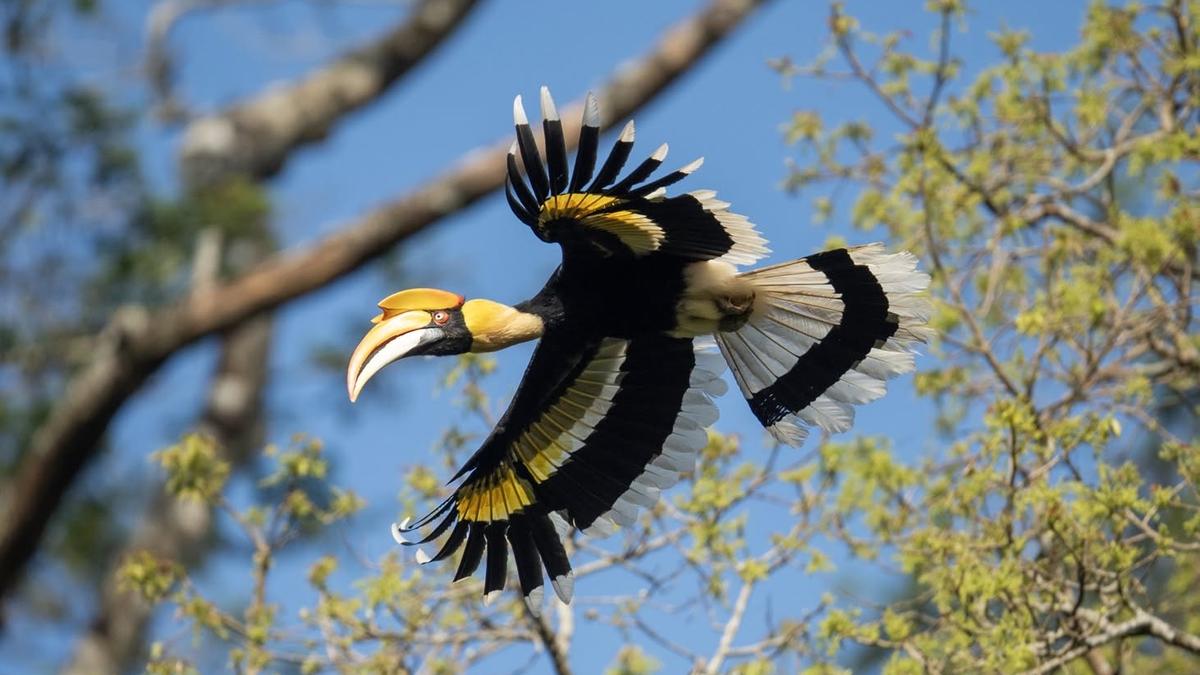
- Healthy populations of Great Hornbill, Malabar Grey Hornbill, and Malabar Pied Hornbill were observed.
- 45 species of odonates, 30 species of ants, 33 species of spiders, and 6 species of cicadas were recorded.
- Wildlife sightings included tigers, leopards, elephant herds, stripe-necked mongoose, and the endangered lion-tailed macaque.
- TNHS research associate Kalesh Sadasivan suggests a post-monsoon survey could reveal even greater diversity.
Key Takeaways:
- The Vazhachal wildlife division is a biologically rich and under-documented area.
- The discovery highlights the importance of continued biodiversity surveys and conservation efforts in the Western Ghats.
- The presence of indicator species like hornbills confirms the structural integrity of the forest ecosystem.
- The survey reinforces the ecological significance of the Vazhachal landscape within Kerala.
- Seasonal faunal movements, even during dry periods, are active and significant within the region.
Impact Analysis:
This discovery has significant implications for conservation strategies in the Western Ghats. The documentation of new species underscores the need for increased funding and resources dedicated to biodiversity research and monitoring. The identification of Vazhachal as a biodiversity hotspot should inform land-use planning and development projects in the region, emphasizing the importance of minimizing habitat disturbance and maintaining ecological connectivity. Furthermore, the findings will likely influence future conservation policies and prioritize the protection of endangered species and their habitats within the Vazhachal wildlife division. The call for a post-monsoon survey suggests further research efforts are planned, potentially leading to even greater understanding and conservation actions.
 First Piper