
Tue Mar 10 03:33:33 UTC 2026: ### U.S.-Israeli Conflict with Iran Intensifies; Oil Prices Fluctuate Amid Leadership Transition
The Story:
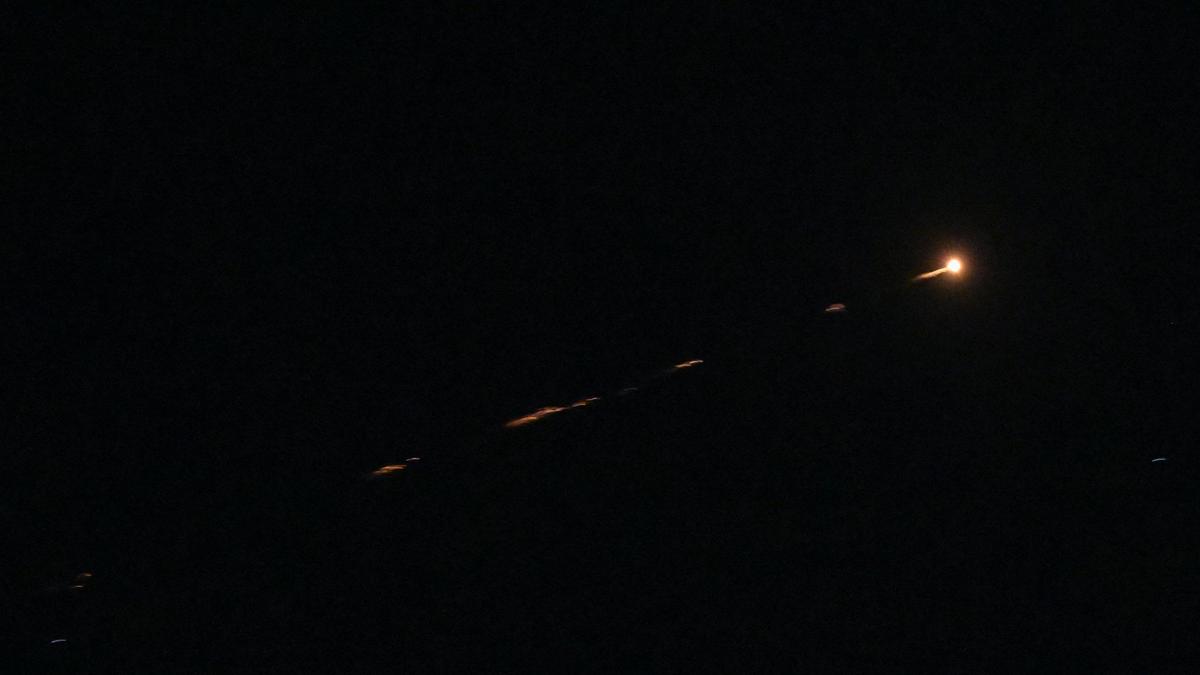
On March 10, 2026, tensions remain high as the U.S. and Israel continue their war against Iran, initiated on February 28, 2026. An Iranian missile was sighted flying towards Israel amid ongoing strikes. U.S. President Donald Trump suggested the conflict could be short-lived, but warned of severe repercussions if Iran disrupts oil supplies via the Strait of Hormuz. The conflict coincides with the selection of Ayatollah Mojtaba Khamenei as Iran’s new supreme leader following the death of his father, Ayatollah Ali Khamenei, adding further uncertainty to the region.
Key Points:
- Donald Trump indicated the war with Iran might be a “short-term excursion.”
- Mojtaba Khamenei was selected as Iran’s new supreme leader, seen as a signal of Iran “digging in.”
- Oil prices initially surged to their highest level since 2022 before falling back down.
- Trump warned Iran that any disruption of oil flow in the Strait of Hormuz would result in a “TWENTY TIMES HARDER” response.
- The war has disrupted global oil and gas supplies, leading to rising fuel prices.
- Vladimir Putin offered ideas for a “quick political and diplomatic settlement” following discussions with Gulf leaders and the Iranian President.
- Israel launched “a wide-scale wave of strikes” on Iranian cities, including Tehran and Isfahan.
- Iran-backed Hezbollah fired rockets into Israel from Lebanon.
- Trump mentioned the U.S. might be engaged in “building a new country,” hinting at potential regime change in Iran.
Critical Analysis:
The timing of the conflict, coupled with the succession of a hard-line leader like Mojtaba Khamenei, suggests a potential entrenchment of Iran’s position, making de-escalation more challenging. Trump’s rhetoric, while suggesting a swift resolution, also carries the threat of escalation, particularly concerning oil supplies. The mention of “building a new country” further indicates a broader, potentially long-term U.S. objective beyond simply eliminating Iran’s missile capabilities.
Key Takeaways:
- The U.S.-Israeli conflict with Iran is causing significant disruption to global oil markets.
- The new Iranian leadership under Mojtaba Khamenei may adopt a more uncompromising stance.
- Trump’s statements are ambiguous, leaving room for both de-escalation and further escalation.
- International actors, including Vladimir Putin, are attempting to mediate a resolution.
- The conflict is having a devastating impact on Iran, with widespread strikes reported in major cities.
Impact Analysis:
- Geopolitical Repercussions: The conflict is likely to reshape the geopolitical landscape of the Middle East, potentially leading to a realignment of alliances and power dynamics. The involvement of external actors like Russia further complicates the situation.
- Economic Instability: The disruption of oil supplies and the volatility in financial markets could have long-term economic consequences, affecting global growth and investment.
- Humanitarian Crisis: The ongoing strikes and displacement of millions of people within Iran could lead to a significant humanitarian crisis, requiring international aid and intervention.
- Nuclear Proliferation: The mention of Iran’s nuclear program and the possibility of Khamenei pursuing nuclear weapons raises the specter of nuclear proliferation in the region, with potentially catastrophic consequences.
- Domestic Politics: The conflict could have significant implications for both U.S. and Iranian domestic politics, influencing public opinion
 First Piper