
Tue Mar 10 12:56:15 UTC 2026: # India’s Hospitality Sector Faces Imminent Shutdowns Amid LPG Shortage Triggered by U.S.-Iran Conflict
The Story:
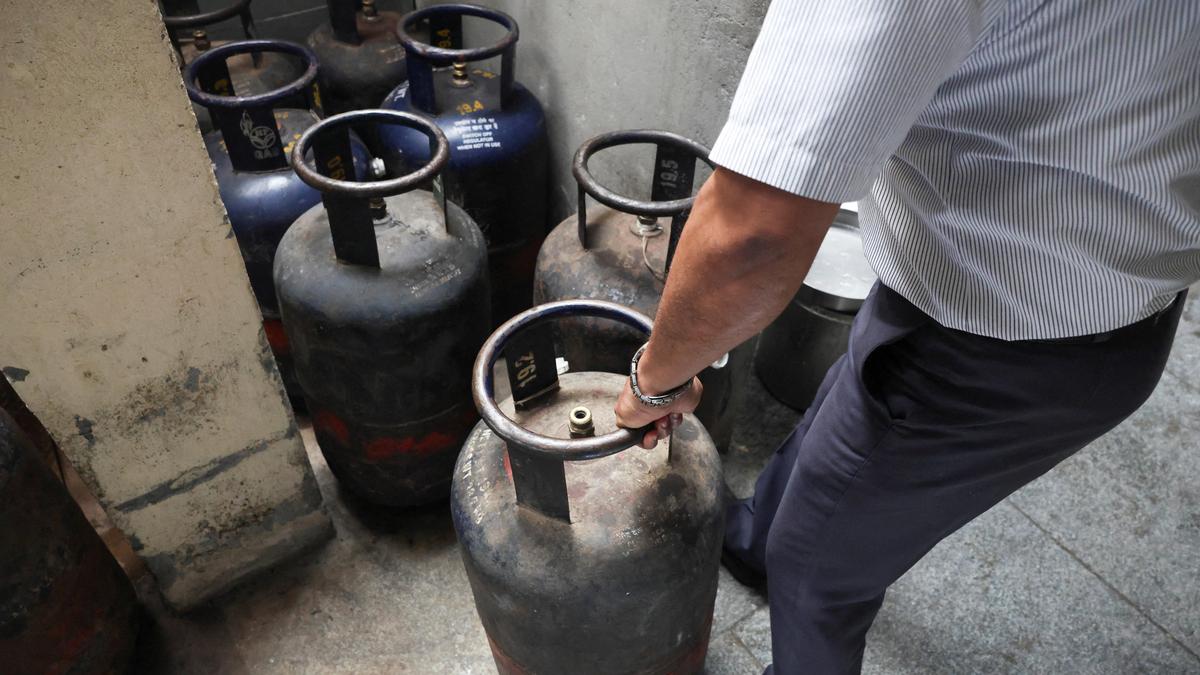
India’s hotel and restaurant industry is facing a severe crisis due to a critical shortage of commercial LPG, stemming from disruptions in supply lines following the U.S.-Israel conflict with Iran. Multiple hotel associations across India, including the National Restaurant Association of India (NRAI) and the Indian Hotel and Restaurant Association (AHAR), have warned of widespread closures if the government doesn’t ensure an uninterrupted fuel supply. Many establishments have already begun limiting services, with some shutting down entirely.
The crisis is particularly acute as 90% of India’s LPG import and 30% of its natural gas requirements pass through the Strait of Hormuz, which is currently affected by the conflict. The Indian government has initiated measures, including setting up a committee to review supply shortages and invoking the Essential Commodities Act, but the situation remains precarious.
Key Points:
- Hotel and restaurant associations warn of mass closures due to LPG shortages.
- The shortage is attributed to disruptions in supply lines following the U.S.-Israel conflict with Iran.
- Some establishments have already limited services or shut down.
- The government has formed a committee to address the issue and invoked the Essential Commodities Act.
- Chief Ministers of Karnataka and Tamil Nadu have appealed to the Union Government for intervention.
- The Ministry of Petroleum and Natural Gas directed refineries to maximize LPG output and asked the OMCs to focus on domestic gas supply on March 6, 2026.
- Prices of non-subsidized domestic LPG cylinders were increased by ₹60 on March 7, 2026, and commercial LPG was raised by ₹114.5 per 19 kg cylinder.
Critical Analysis:
The crisis reveals India’s vulnerability to geopolitical events impacting crucial supply routes. The government’s initial response, while necessary, appears reactive rather than proactive, suggesting a need for more robust contingency plans for energy security. The prioritization of domestic LPG supply over commercial needs, while understandable, has inadvertently exacerbated the situation for the hospitality sector, highlighting the need for a more balanced approach.
Key Takeaways:
- India’s reliance on the Strait of Hormuz for LPG imports makes it susceptible to geopolitical instability.
- The conflict has exposed vulnerabilities in India’s energy supply chain.
- Government intervention is crucial to mitigate the impact on the hospitality sector and prevent widespread closures.
- The situation underscores the importance of diversifying energy sources and strengthening domestic production.
- A balanced approach to LPG distribution is needed, considering the needs of both domestic and commercial consumers.
Impact Analysis:
The LPG shortage has significant short-term and potential long-term impacts:
- Short-Term: Immediate disruption to the hospitality industry, leading to business closures, job losses, and potential food price increases. Disruption to paying guest accommodations and hostels.
- Medium-Term: Economic impact on tourism and related sectors. Increased pressure on the government to find alternative fuel sources and manage the crisis effectively.
- Long-Term: Potential shift in the restaurant industry towards more energy-efficient cooking methods or alternative fuels. Increased focus on energy security and diversification of supply chains at the national level. Possible damage to India’s reputation as a reliable business destination if the crisis is prolonged.
 First Piper