
Tue Mar 10 09:20:06 UTC 2026: ### India Prioritizes Natural Gas Allocation Amidst West Asia Tensions
The Story:
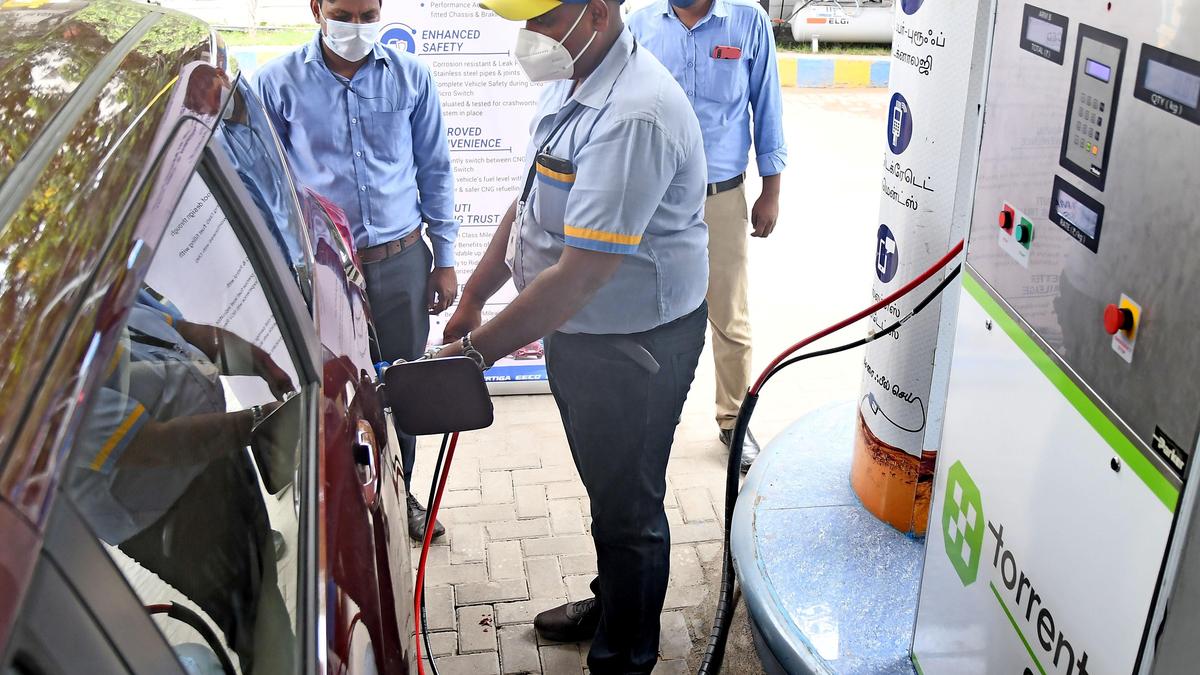
The Indian Ministry of Petroleum and Natural Gas (MoPNG) has invoked the Essential Commodities Act, 1955, to redirect natural gas to priority sectors due to disruptions in Liquified Natural Gas (LNG) shipments through the Strait of Hormuz. This action comes in response to ongoing tensions in West Asia and the invocation of force majeure by Indian suppliers. The government aims to ensure uninterrupted supply to domestic piped natural gas (PNG), Compressed Natural Gas (CNG) for vehicles, Liquified Petroleum Gas (LPG) production, fertilizer manufacturing, and other key industries.
Key Points:
- March 9, 2026: The gazette notification was issued by the MoPNG, outlining the prioritization of natural gas allocation.
- Strait of Hormuz: About 30% of India’s natural gas requirements pass through this critical waterway.
- Priority sectors: Domestic PNG, CNG, LPG production, fertilizer manufacturing, tea industries and other industrial consumers are given priority.
- Tiered Allocation: Priority sectors like PNG, CNG, and LPG production will receive 100% of their average consumption from the previous six months, subject to operational availability. Fertilizer plants will receive 70%.
- Curtailment: Gas supply will be reduced to companies like ONGC Petrol additions Limited, GAIL Pata Petrochemical, and Reliance O2C to facilitate redistribution. Refineries will reduce gas allocation to approximately 65% of the past six months’ consumption.
- India’s natural gas consumption: Currently at 195 million metric standard cubic metres per day (MMSCMD), with half being imported.
Critical Analysis:
The invocation of the Essential Commodities Act, coupled with the prioritization of LPG supply earlier in the week, indicates a proactive approach by the Indian government to mitigate the impact of geopolitical instability on essential energy supplies. The tiered allocation system reflects an attempt to balance the needs of domestic consumers and critical industries while managing the reduced availability of natural gas. The mention of LPG cylinder shortages in major cities like Bengaluru, Chennai, and Mumbai reinforces the urgency of these measures. The move to curtail supply to petrochemical and refining companies suggests a willingness to absorb economic pain in non-essential sectors to protect core consumer needs and strategic industries like fertilizer production.
Key Takeaways:
- Geopolitical instability in West Asia, specifically around the Strait of Hormuz, poses a significant threat to India’s energy security.
- The Indian government is prepared to intervene directly in the energy market to ensure the supply of essential commodities during crises.
- The prioritization of domestic consumers and strategic industries (like fertilizer) reflects a focus on social stability and food security.
- Reliance on imported natural gas makes India vulnerable to external shocks. Diversification of energy sources and supply routes is critical.
- The Essential Commodities Act remains a key tool for the government to manage supply disruptions and ensure equitable distribution of essential goods.
Impact Analysis:
The short-term impact will likely be felt by industries facing gas supply curtailments, potentially leading to reduced production or increased operational costs. However, the prioritized sectors should see minimal disruption. Long-term, this event may spur increased investment in domestic natural gas exploration and production, as well as a push for alternative energy sources to reduce reliance on imports. The incident also highlights the need for stronger diplomatic efforts to ensure stability in the Strait of Hormuz and other critical energy transit routes. The cost of natural gas may increase in the short term due to supply constraints.
 First Piper