
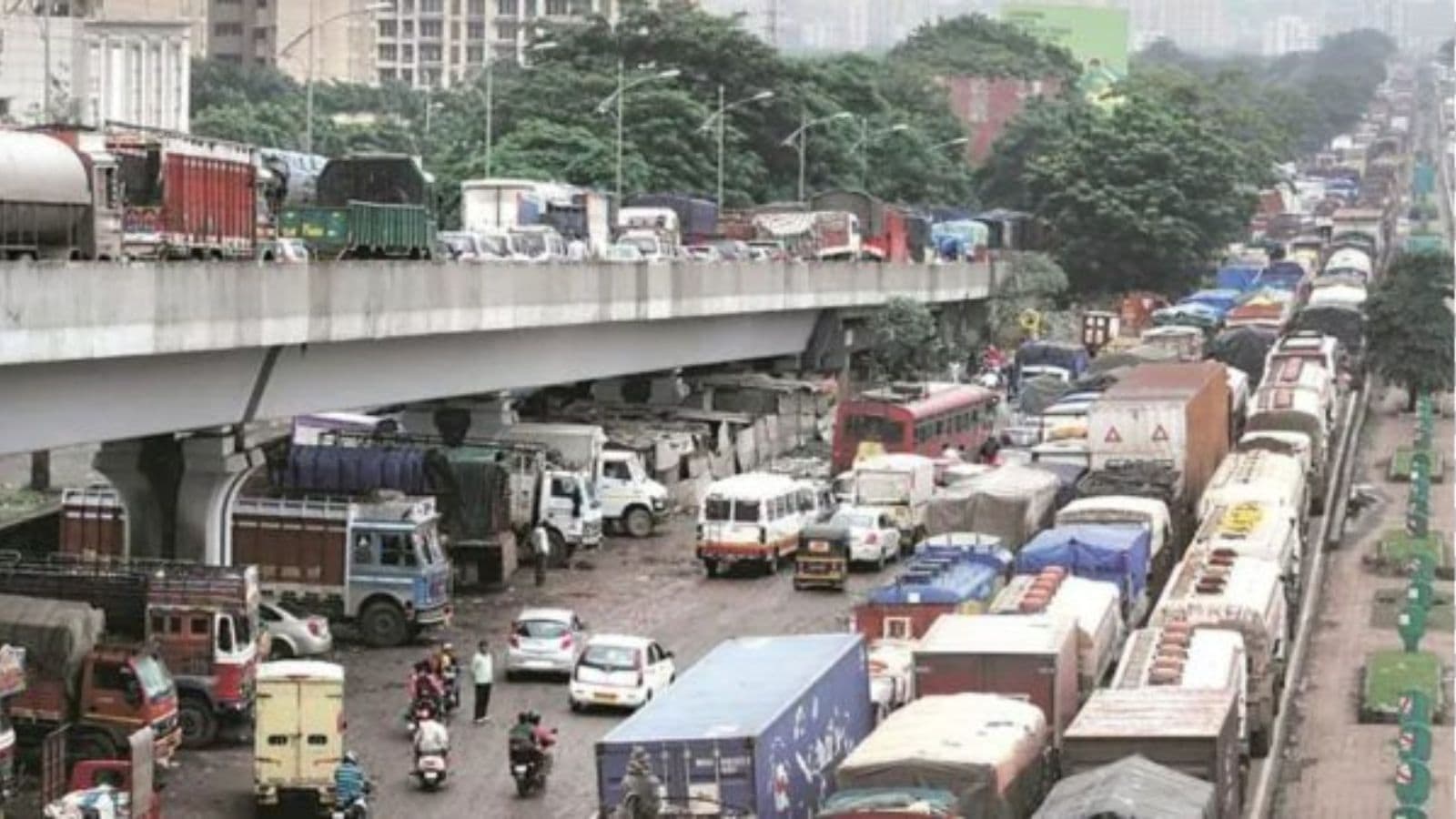
Mon Mar 09 14:55:14 UTC 2026: ### Maharashtra Transporters Threaten Renewed Protests Over E-Challan Penalties Despite Proposed Waiver
The Story:
The Maharashtra transport department has proposed a 50 percent waiver on pending e-challan penalties for transporters, aiming to alleviate financial burdens and quell growing unrest among transport unions. This proposal, submitted to the state government, comes after a statewide agitation by transporters earlier this month against the e-challan system and escalating penalties. Transport associations had initially threatened an indefinite strike starting March 5, 2026, but suspended it following assurances from Transport Minister Pratap Sarnaik. However, they warned of renewed protests if substantial relief wasn’t provided. While the proposed waiver aims to settle old dues and encourages timely future payments, transporters deem it insufficient and threaten further action.
The proposal includes a discounted payment window for future e-challans, offering rebates for payments made within 90 days of issuance. The department estimates that pending e-challan dues across Maharashtra amount to approximately Rs 5,000 crore, with the government potentially foregoing Rs 2,500 crore in revenue if the waiver is approved. Despite this, transport operators, led by figures like Anil Garg and K V Shetty, criticize the proposal for its limited scope and lack of consultation, demanding a complete waiver of accumulated penalties and cancellation of wrongly issued challans.
Key Points:
- Maharashtra transport department proposes a 50 percent waiver on pending e-challan penalties for transporters.
- The proposal follows a statewide agitation by transporters in early March 2026.
- Pending e-challan dues in Maharashtra are estimated at Rs 5,000 crore.
- Transporters are dissatisfied with the proposal, demanding a complete waiver and threatening renewed protests.
- The proposal includes a discounted payment window for future e-challans.
Critical Analysis:
The timing of this proposal, coupled with the historical context, suggests a strategic move by the Maharashtra government to mitigate potential economic disruptions. The reference to rising oil prices due to the Iran conflict and the subsequent impact on industries like the ceramic units in Gujarat highlights the potential for widespread economic instability. A transport strike in Maharashtra, a major economic hub, could exacerbate these issues. Therefore, the government’s attempt to offer a partial waiver can be seen as a calculated effort to maintain stability and prevent further economic strain.
Key Takeaways:
- The Maharashtra government is under pressure to address the concerns of transport unions regarding e-challan penalties.
- The proposed 50 percent waiver is perceived as inadequate by transport operators, increasing the risk of renewed protests.
- The financial implications of the waiver are significant, potentially costing the state government Rs 2,500 crore in revenue.
- The dispute highlights the challenges of implementing and enforcing e-challan systems.
- External factors such as the Iran conflict and rising fuel prices likely influence the government’s decision-making process.
Impact Analysis:
The outcome of this situation will have significant ramifications for transportation policy and enforcement in Maharashtra. If the government fails to reach a satisfactory agreement with the transporters, further disruptions are likely, impacting supply chains, logistics, and the overall economy. A successful resolution, however, could set a precedent for similar situations in other states and influence the development of more equitable and transparent e-challan systems. The long-term impact hinges on whether the government can strike a balance between revenue generation, regulatory enforcement, and the needs of the transport sector.
 First Piper