
Tue Mar 10 06:20:00 UTC 2026: ### Economic Storm Brews: LPG Rules Tightened, Oil Prices Soar Amidst Geopolitical Tensions
The Story:
India is facing a complex economic landscape as domestic LPG cylinder refill booking rules are tightened, coinciding with a surge in international crude oil prices driven by escalating tensions between the US, Israel, and Iran. The government has increased the waiting period for booking a new LPG cylinder from 21 to 25 days to curb hoarding amid concerns about supply. Simultaneously, crude oil prices have reached a three-and-a-half-year high, exceeding $115 per barrel, reminiscent of the price surge during the 2022 Russia-Ukraine conflict. These events are unfolding against a backdrop of a weakening rupee, which hit a record low of 92.33 against the US dollar, and significant volatility in the stock and precious metals markets.
Key Points:
- The government has increased the LPG refill booking waiting period from 21 to 25 days.
- International crude oil prices surged to over $115 per barrel due to US-Israel-Iran tensions.
- The Indian Rupee plummeted to a record low of 92.33 against the US dollar.
- The Sensex plunged by 1353 points to close at 77,566.
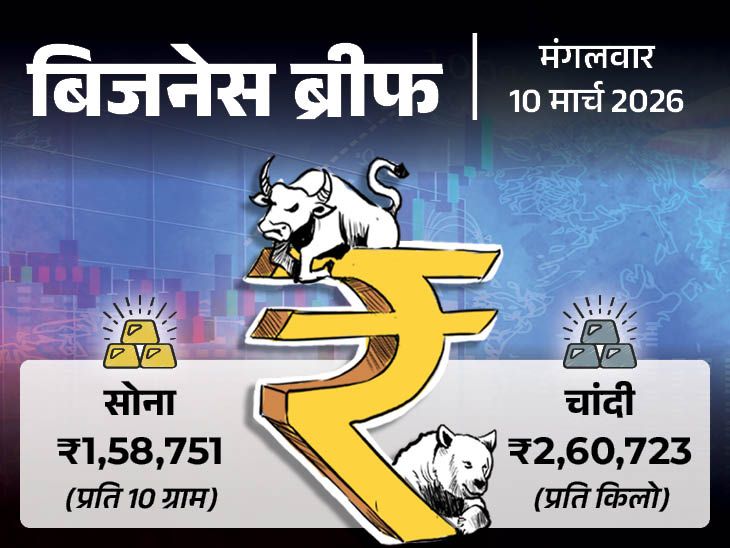
- Gold prices have fallen by ₹8797 in four days, while silver has decreased by ₹29,729.
- A high-level committee from NITI Aayog has proposed eliminating the ‘No Objection Certificate’ (NOC) requirement for transferring vehicles between states.
Critical Analysis:
* The LPG rule change appears directly linked to anxieties surrounding potential supply disruptions stemming from the Middle East conflict. The government aims to prevent panic buying and ensure equitable distribution of LPG cylinders.
* The surge in crude oil prices, combined with geopolitical instability, is significantly impacting the Indian economy, leading to a weaker rupee and stock market volatility. Investors are reacting to the increased risk of inflation and reduced corporate profits.
Key Takeaways:
- Geopolitical tensions in the Middle East are creating significant economic challenges for India.
- The government is taking measures to mitigate potential supply disruptions in the energy sector.
- The Indian Rupee is under pressure due to rising crude oil prices and global uncertainty.
- Investors are becoming risk-averse, leading to market volatility.
- The proposed elimination of the NOC for vehicle transfers aims to streamline administrative processes and facilitate inter-state mobility.
Impact Analysis:
The combination of rising energy costs, a weaker rupee, and stock market instability could lead to increased inflation and reduced consumer spending. The long-term impact will depend on the duration and intensity of the geopolitical tensions and the government’s policy responses. If the Middle East conflict escalates, India could face significant economic headwinds, including higher import costs, increased inflationary pressures, and slower economic growth. The simplification of vehicle transfer rules, however, could have a positive impact on logistics and personal mobility in the long run.
 First Piper