
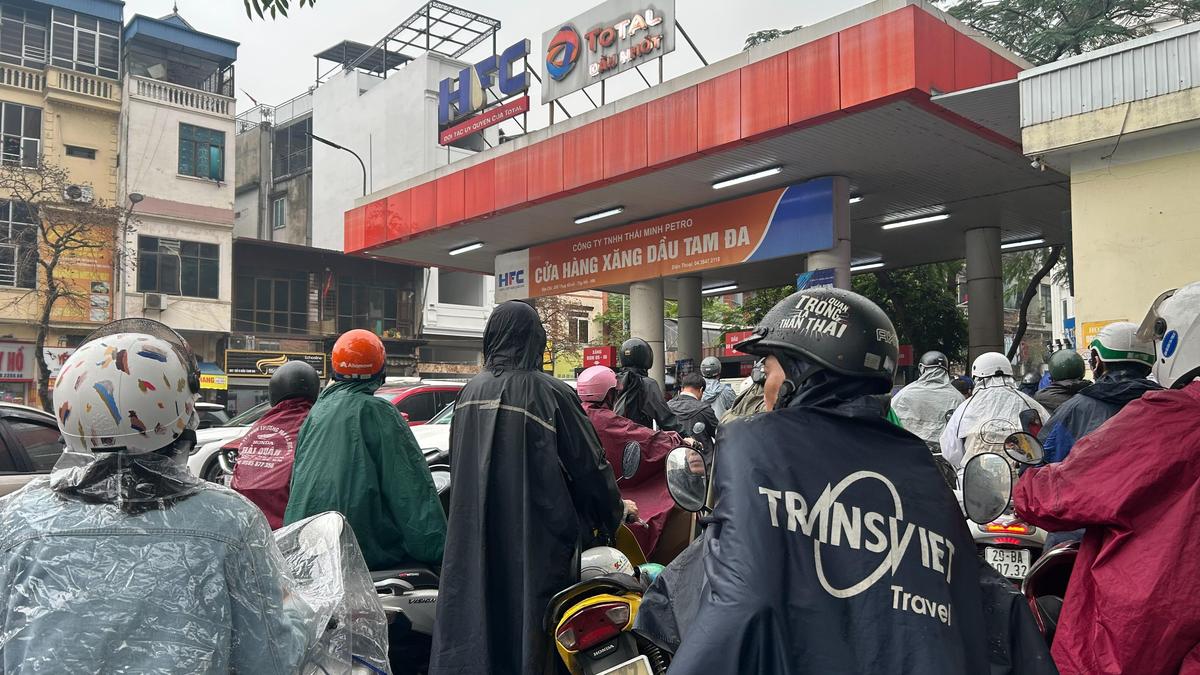
Mon Mar 09 08:05:38 UTC 2026: # Vietnam Considers Scrapping Fuel Tariffs Amidst U.S.-Israeli War with Iran
The Story:
Vietnam is contemplating eliminating import tariffs on fuel in response to escalating oil prices triggered by the ongoing U.S.-Israeli conflict with Iran. The Ministry of Finance has drafted a decree to reduce import tax rates to zero on certain petroleum products, aiming to stabilize the domestic market and ensure national energy security. This move comes as fuel prices in Vietnam have soared, with gasoline prices reaching their highest levels since July 2022, and diesel prices surging by over 50%.
Key Points:
- The Vietnamese government is considering scrapping tariffs on fuel imports due to the U.S.-Israeli war with Iran disrupting oil supplies.
- The Ministry of Finance has drafted a decree to slash import tax rates to zero on some petroleum products.
- Fuel prices in Vietnam have risen sharply, with gasoline up 21% to 27,040 Vietnamese dong ($1.03) per litre.
- Vietnam currently imposes tariffs of 10% on unleaded gasoline and 7% on diesel, aviation fuel, and kerosene.
- The proposed tariff decree would be effective until the end of April 2026.
- Crude prices have soared to nearly $120 a barrel, the highest since Russia’s invasion of Ukraine in early 2022.
Key Takeaways:
- Geopolitical conflicts in the Middle East have immediate and significant economic consequences for countries globally, including Vietnam.
- Governments may resort to drastic measures like removing tariffs to mitigate the impact of rising fuel prices on their citizens and economies.
- The Strait of Hormuz remains a critical chokepoint for global oil supply, and disruptions there can lead to price spikes.
- The conflict highlights the interconnectedness of global energy markets and the vulnerability of economies to geopolitical instability.
Impact Analysis:
The decision by Vietnam to consider removing fuel tariffs signifies a broader trend of nations grappling with the economic repercussions of the U.S.-Israeli war with Iran. This move, if approved, will likely provide temporary relief to Vietnamese consumers and businesses by lowering fuel costs. However, the long-term impact depends on the duration and intensity of the conflict, as well as the stability of global oil supplies. If the conflict persists, Vietnam may need to explore alternative energy sources and implement more sustainable energy policies to reduce its dependence on imported fossil fuels. Furthermore, this situation could prompt other nations heavily reliant on Middle Eastern oil to re-evaluate their energy security strategies and diversify their supply chains.
 First Piper