
Sun Mar 08 15:15:25 UTC 2026: ### Nitish Kumar’s Impending Exit Signals Potential Power Shift in Bihar Politics
The Story:
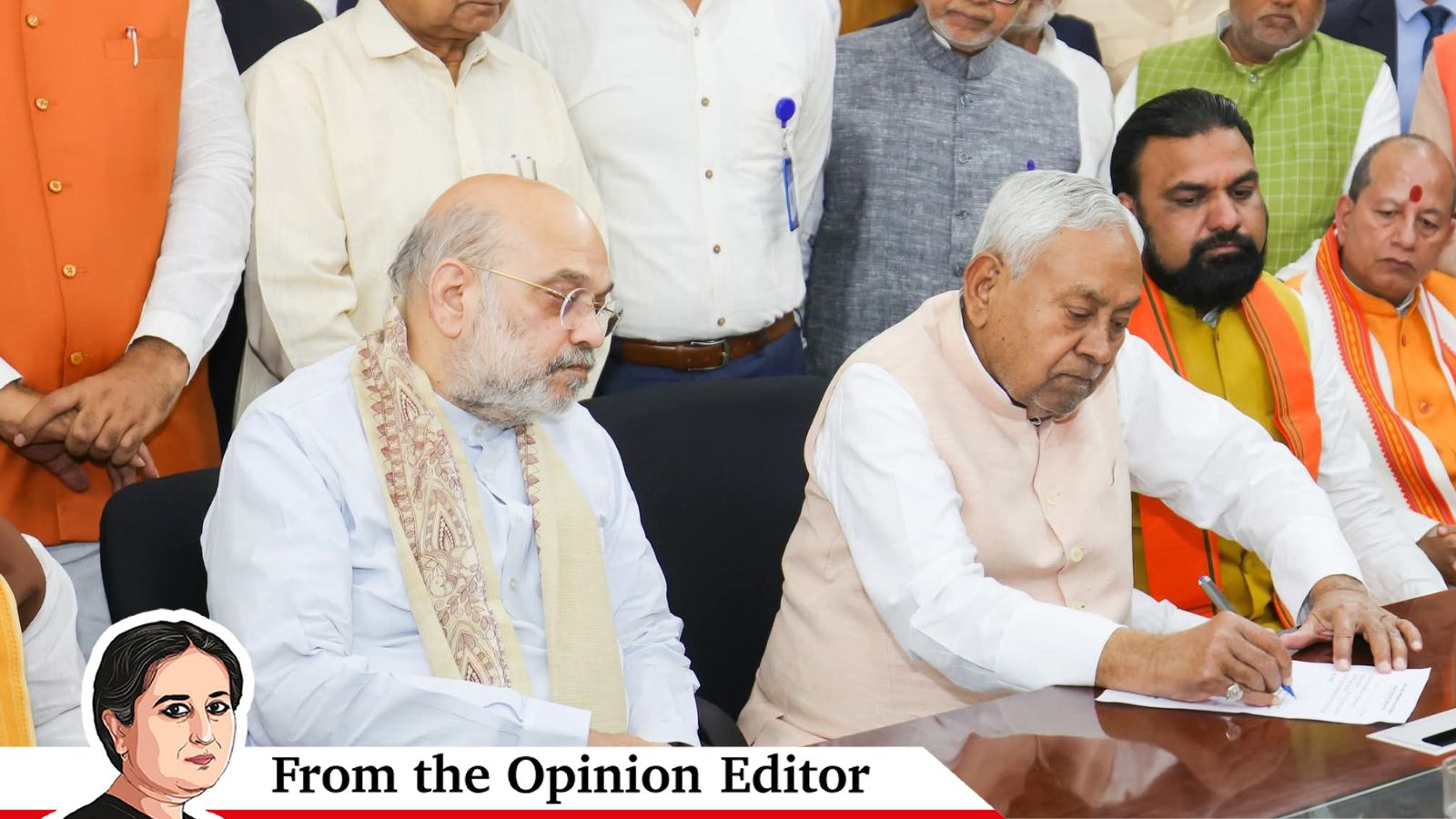
Bihar Chief Minister Nitish Kumar has expressed his desire to become a Rajya Sabha MP, signaling a potential end to his long tenure as Chief Minister. This announcement, made via X, has sparked considerable speculation about the future of Bihar’s political landscape. Having held the Chief Minister’s office for over two decades, Kumar’s departure raises questions about the stability of the ruling coalition, the leadership vacuum within the Janata Dal (United) [JD(U)], and the potential rise of the Bharatiya Janata Party (BJP) in a state historically resistant to Hindutva politics.
Kumar’s shift to Delhi suggests a change in Bihar’s governance. Questions arise regarding democratic accountability during Kumar’s alleged period of diminished capacity and the legitimacy of a new Chief Minister claiming a mandate won under Kumar’s leadership. His legacy, marked by both significant achievements and unfulfilled promises, hangs in the balance.
Key Points:
- Nitish Kumar announced his intention to become a Rajya Sabha MP.
- His departure raises questions about the future leadership of Bihar.
- Concerns exist regarding democratic accountability during Kumar’s alleged period of diminished capacity.
- The JD(U) faces a leadership vacuum, with Nitish Kumar’s son entering politics.
- The BJP is poised to potentially increase its influence in Bihar.
- Nitish is the chief minister of more than 20 years.
- Nitish was sworn in for the 10th time after a vote sought and won in his name.
- Nitish has been deservedly credited with the Bihar Turnaround story since 2005.
- Lalu’s arrest of LK Advani and the halting of his rath yatra in Samastipur, 1990.
Key Takeaways:
- Nitish Kumar’s exit creates a power vacuum in Bihar politics.
- The BJP is strategically positioned to capitalize on the situation.
- The legacy of socialist politics in Bihar is at risk.
- The stability of the ruling coalition is uncertain.
- Questions of democratic accountability are raised.
Impact Analysis:
- Short-Term: A period of political maneuvering and coalition realignment is expected as parties vie for power in Bihar. The BJP will likely attempt to assert greater control.
- Long-Term: The shift could lead to a significant change in Bihar’s political landscape, potentially reshaping the state’s approach to social justice and secularism. The rise of the BJP could alter the balance of power and influence the state’s development priorities. The future of the JD(U) is uncertain, dependent on its ability to find a new leader and maintain its relevance.
 First Piper