
Mon Mar 09 09:02:48 UTC 2026: # Parliament Erupts as Opposition Protests Disrupt Budget Session Over West Asia Concerns
The Story:
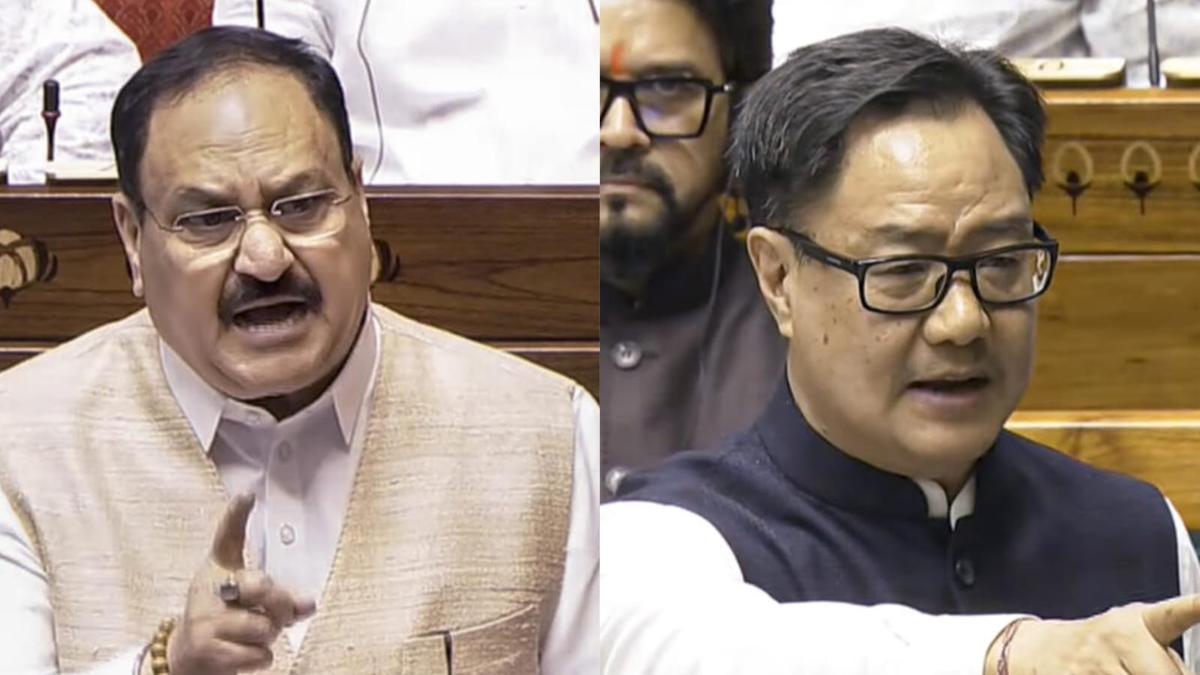
On March 9, 2026, India’s Parliament witnessed tumultuous scenes in both the Rajya Sabha and Lok Sabha during the Budget Session. The Opposition, led by the Congress party, disrupted proceedings, demanding a short-duration discussion on the escalating conflict in West Asia and its potential impact on India’s energy security and the safety of Indian citizens working in the region. External Affairs Minister S. Jaishankar was attempting to deliver a statement on the situation when the Opposition staged a walkout in the Rajya Sabha and disrupted proceedings in the Lok Sabha. The government, represented by Union Ministers J.P. Nadda and Kiren Rijiju, accused the Opposition of creating “anarchy” and disrupting parliamentary ethics.
Key Points:
- External Affairs Minister S. Jaishankar was scheduled to make a statement on the West Asia situation in both houses of Parliament on March 9, 2026.
- Congress President Mallikarjun Kharge requested a short-duration discussion on the impact of the West Asia conflict on India’s energy security.
- The Opposition staged a walkout in the Rajya Sabha while S. Jaishankar was making his statement.
- Union Minister J.P. Nadda accused the Opposition of creating “anarchy” and disrupting the country’s development.
- Parliamentary Affairs Minister Kiren Rijiju criticized the Opposition for disrupting proceedings and for their motion to remove Speaker Om Birla.
- The Lok Sabha was adjourned briefly until 3 p.m. after tributes to deceased members.
Critical Analysis:
The events on March 9, 2026, highlight a significant clash between the ruling party and the opposition regarding the handling of the West Asia crisis. The Opposition’s insistence on immediate discussion reflects their concern about the potential economic and security ramifications for India. The government’s response, accusing the Opposition of obstructionism, suggests a strategy to control the narrative and present a united front during a sensitive geopolitical situation. This pattern of disruption and accusation reveals a deeper political divide and a struggle for influence in shaping India’s response to international events.
Key Takeaways:
- The West Asia conflict is a significant point of contention between the government and the Opposition in India.
- The Opposition is prioritizing the potential economic and security risks to India due to the conflict.
- The government is attempting to manage the narrative and maintain control over parliamentary proceedings.
- Parliamentary proceedings are being significantly impacted by political polarization.
- The disruption highlights the challenges in achieving bipartisan consensus on foreign policy issues.
Impact Analysis:
The events of March 9, 2026, could have several long-term implications:
- Policy Debate Stifled: The disruptions could hinder a thorough and nuanced debate on India’s foreign policy and energy security strategies in relation to the West Asia conflict.
- Erosion of Trust: The accusations and counter-accusations could further erode trust between the government and the opposition, making future cooperation more difficult.
- Public Perception: The public’s perception of the government’s handling of the crisis could be influenced by the Opposition’s concerns, potentially leading to increased scrutiny and pressure.
- International Relations: The internal political divisions could impact India’s ability to project a unified stance on the international stage, potentially weakening its diplomatic leverage.
- Future Parliamentary Functioning: The precedent set by these disruptions could lead to more frequent instances of parliamentary gridlock, hindering the legislative process.
 First Piper