
Sun Mar 08 13:03:44 UTC 2026: ### Headline: Fuel Panic in Pakistan Turns Deadly Amid US-Iran Conflict
The Story:
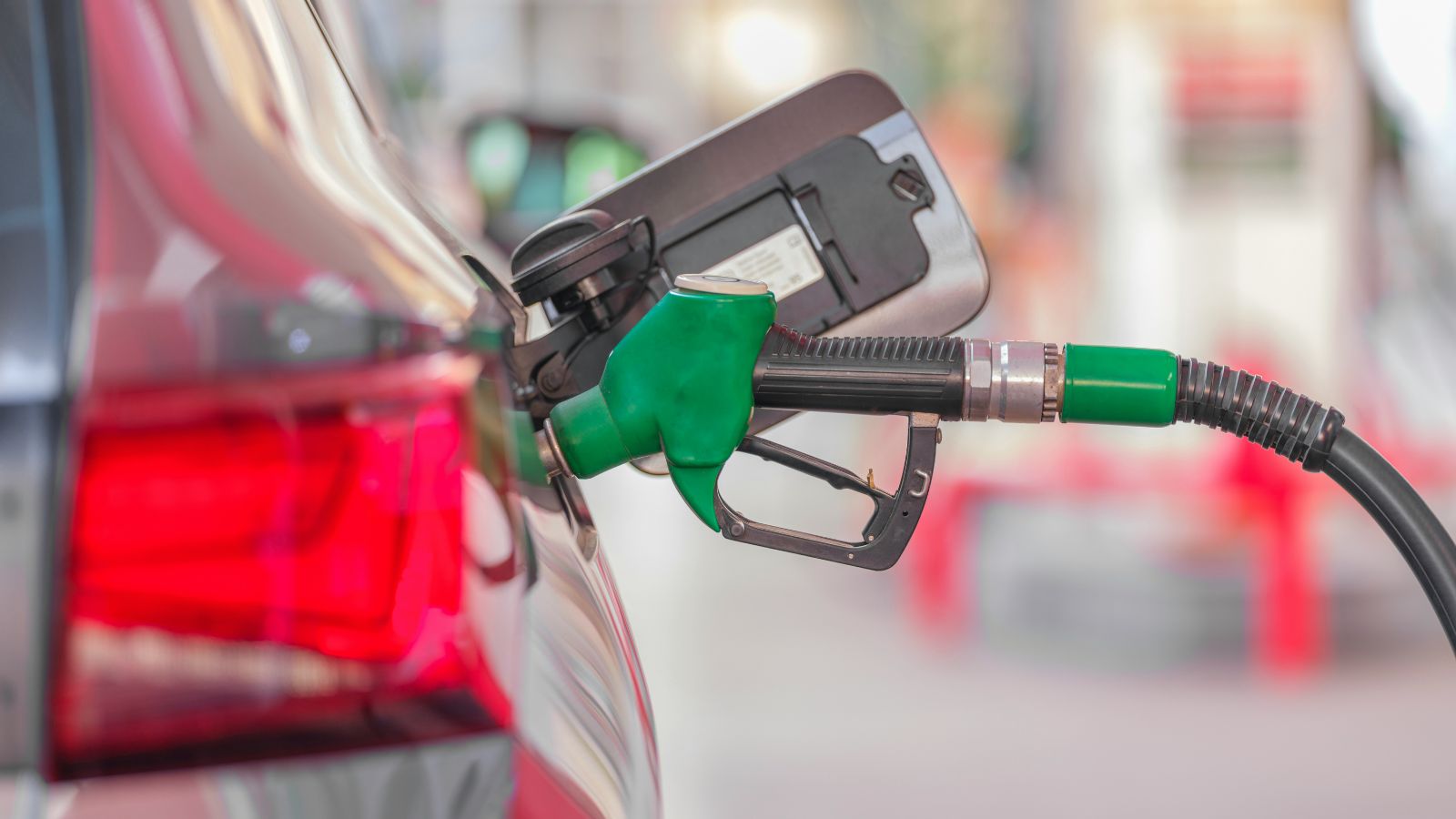
A fatal shooting occurred at a petrol pump in Sialkot, Pakistan, on Saturday, as panic buying gripped the nation following fears of fuel shortages. The incident stemmed from a dispute between customers and petrol station staff over filling jerry cans with fuel, a practice reportedly against government policy. The altercation escalated when the customers returned with automatic weapons, opening fire and critically injuring three workers. One of the injured, 25-year-old Muhammad Sibtain, later died in hospital.
The panic buying was triggered by a combination of factors: anxieties surrounding the US-Iran conflict and the potential closure of the Strait of Hormuz, coupled with a recent announcement of a steep PKR 55 per litre increase in fuel prices. The price hike and supply fears led to long queues at petrol stations, exacerbating tensions and contributing to the violent outburst.
Key Points:
- A man was killed and two others seriously injured in a shooting at a petrol pump in Sialkot, Pakistan.
- The shooting was triggered by a dispute over filling jerry cans with fuel.
- Panic buying of fuel was fueled by fears of shortages due to the US-Iran conflict and a PKR 55 per litre fuel price increase.
- The main suspect, Khawaja Munib, has been arrested, and a murder case has been registered against him and four accomplices.
- Petrol pump owners in Punjab temporarily shut their outlets ahead of the price hike.
- The Strait of Hormuz closure and fuel price increase are expected to significantly raise the cost of essential commodities and transportation.
Critical Analysis:
The provided context reveals a broader geopolitical landscape contributing to the local incident. The naming of Khamenei’s son as the new Supreme Leader in Iran, coupled with the Indian National’s death in Saudi Arabia due to a projectile strike, hints at escalating regional tensions. This backdrop of instability provides a plausible reason for the panic surrounding potential disruptions to oil supplies through the Strait of Hormuz. The news of tornadoes in the US and other isolated incidents, while tragic, don’t bear directly on the Pakistan fuel crisis.
Key Takeaways:
- Geopolitical tensions, specifically the US-Iran conflict, can have direct and violent consequences at the local level.
- Economic policies, such as sudden fuel price increases, can exacerbate existing anxieties and lead to social unrest.
- Fear of scarcity, whether real or perceived, can trigger panic buying and irrational behavior.
- The combination of international conflict and domestic economic pressures creates a volatile environment.
Impact Analysis:
This incident underscores the vulnerability of Pakistan’s economy and society to external geopolitical events. The shooting and subsequent panic buying could lead to:
- Increased security measures at petrol stations: Authorities may implement stricter regulations regarding fuel sales and security protocols to prevent future violence.
- Further economic instability: Rising fuel prices will likely contribute to inflation and hardship for Pakistani consumers.
- Erosion of public trust: The government’s handling of the fuel crisis and the perceived lack of control over prices could damage public confidence.
- Potential for broader social unrest: If the economic situation deteriorates further, there is a risk of more widespread protests and instability.
 First Piper