
Sun Mar 08 06:07:14 UTC 2026: ### India’s Maritime Regulator Investigates Safety Lapses After Tanker Attack Claims Seafarer’s Life
The Story:
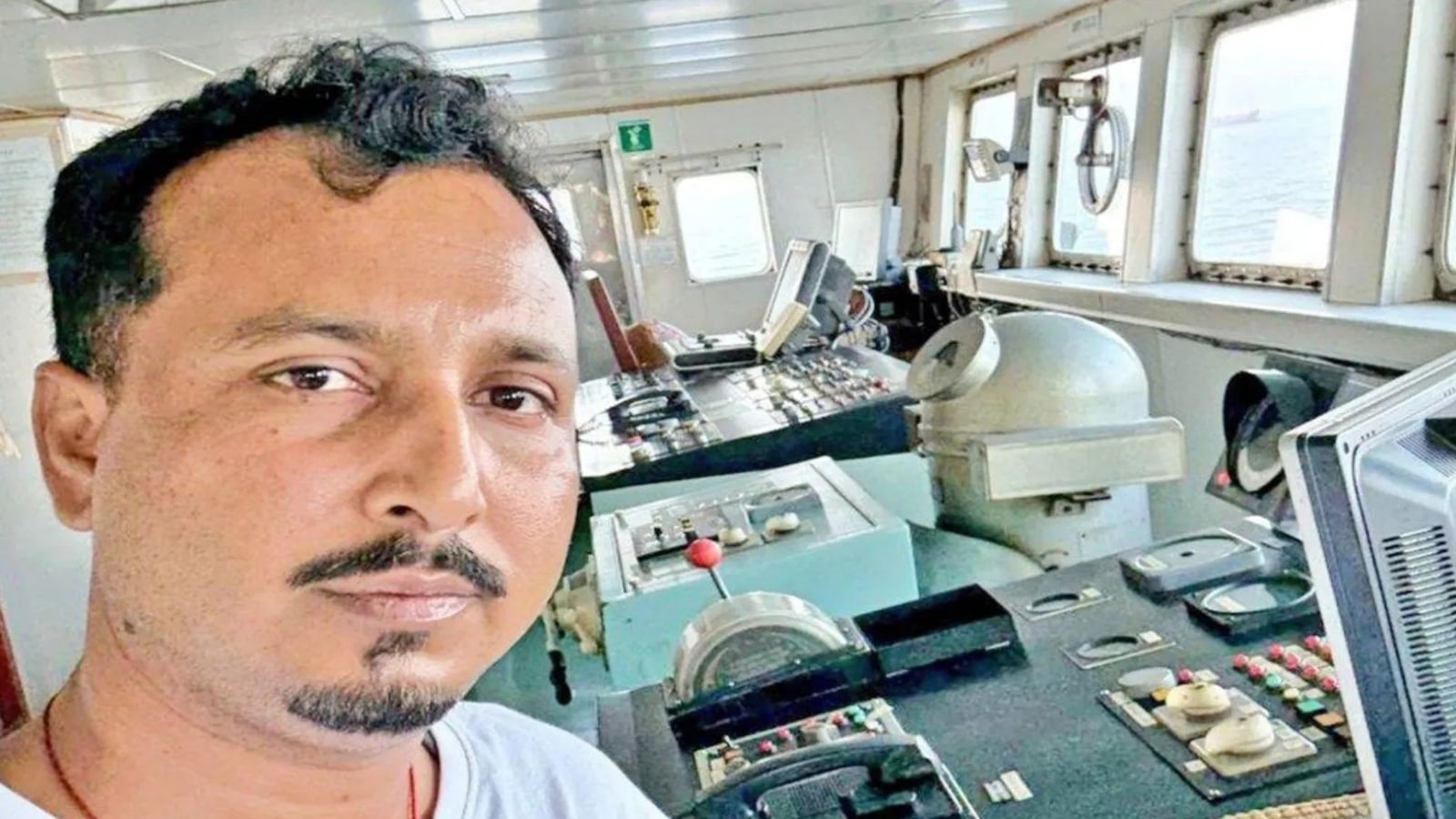
India’s Directorate General of Shipping (DG Shipping) is investigating potential safety lapses on the oil tanker ‘Sky Light’ following an attack near Oman’s Khasab port on March 1st. The incident, believed to be linked to the ongoing Iran-Israel conflict, resulted in a fire that trapped crew members. Tragically, Captain Ashish Kumar from Bihar is presumed dead, and another crew member, Dalip Singh from Rajasthan, remains missing. The investigation centers on the possibility that the crew lacked adequate equipment to break porthole glass for emergency escape, a factor that may have contributed to the captain’s death.
DG Shipping issued a safety advisory on March 6th, urging heightened vigilance for Indian seafarers operating in the Persian Gulf, Strait of Hormuz, and nearby waters due to escalating security risks. The advisory highlights the evolving nature of maritime threats, including drones, missiles, and small craft carrying explosives.
Key Points:
- The oil tanker ‘Sky Light’ was attacked near Oman’s Khasab port on March 1st.
- Captain Ashish Kumar is presumed dead, and crew member Dalip Singh is missing.
- DG Shipping is investigating the lack of equipment to break porthole glass for emergency escape.
- A safety advisory was issued on March 6th, warning of heightened risks in the Persian Gulf, Strait of Hormuz, and nearby waters.
- Recent attacks involve drones, missiles, and small craft carrying explosives.
- 66 Indian-flagged vessels were operating in the Persian Gulf region as of March 5th.
- Oiler Dixit Solanki from Mumbai was killed in a separate incident on the tanker MKD Vyom.
Key Takeaways:
- The escalating tensions between Iran and Israel are creating increasingly dangerous conditions for merchant vessels in West Asian waters.
- There is a potential systemic failure in ensuring adequate safety equipment is available on board vessels operating in high-risk zones.
- Indian maritime authorities are responding with advisories and investigations, but more robust measures may be needed to protect seafarers.
- The psychological impact on seafarers and their families requires attention and support.
- Shipping companies and recruitment agencies need to establish robust emergency contact mechanisms to provide timely information and assistance.
Impact Analysis:
This incident highlights the vulnerability of commercial shipping to geopolitical tensions and the critical need for enhanced safety protocols in high-risk maritime zones. The potential for further attacks necessitates a comprehensive review of safety equipment, emergency procedures, and threat mitigation strategies for vessels operating in the Persian Gulf, Strait of Hormuz, and surrounding waters. The incident may lead to increased insurance premiums for vessels operating in the region and potentially disrupt shipping routes, impacting global trade. Long-term, this could drive calls for international cooperation to ensure the safety and security of maritime traffic in volatile regions.
 First Piper