
Mon Mar 09 08:14:20 UTC 2026: # US Submarine Torpedoes Iranian Warship, Raising Maritime Law Questions
The Story:
On March 4, 2026, a United States submarine torpedoed the Iranian warship IRIS Dena off the coast of Sri Lanka, outside its nautical boundary. The Dena was returning from participation in the International Fleet Review and MILAN-2026, a multilateral naval exercise organized by the Indian Navy. This incident brings into sharp focus the complexities of international maritime law, particularly concerning the rights and obligations of nations during peacetime and conflict.
Key Points:
- The incident occurred outside Sri Lanka’s nautical boundary.
- The IRIS Dena was returning from the MILAN-2026 naval exercise hosted by India, which included participation from both the US and Iran.
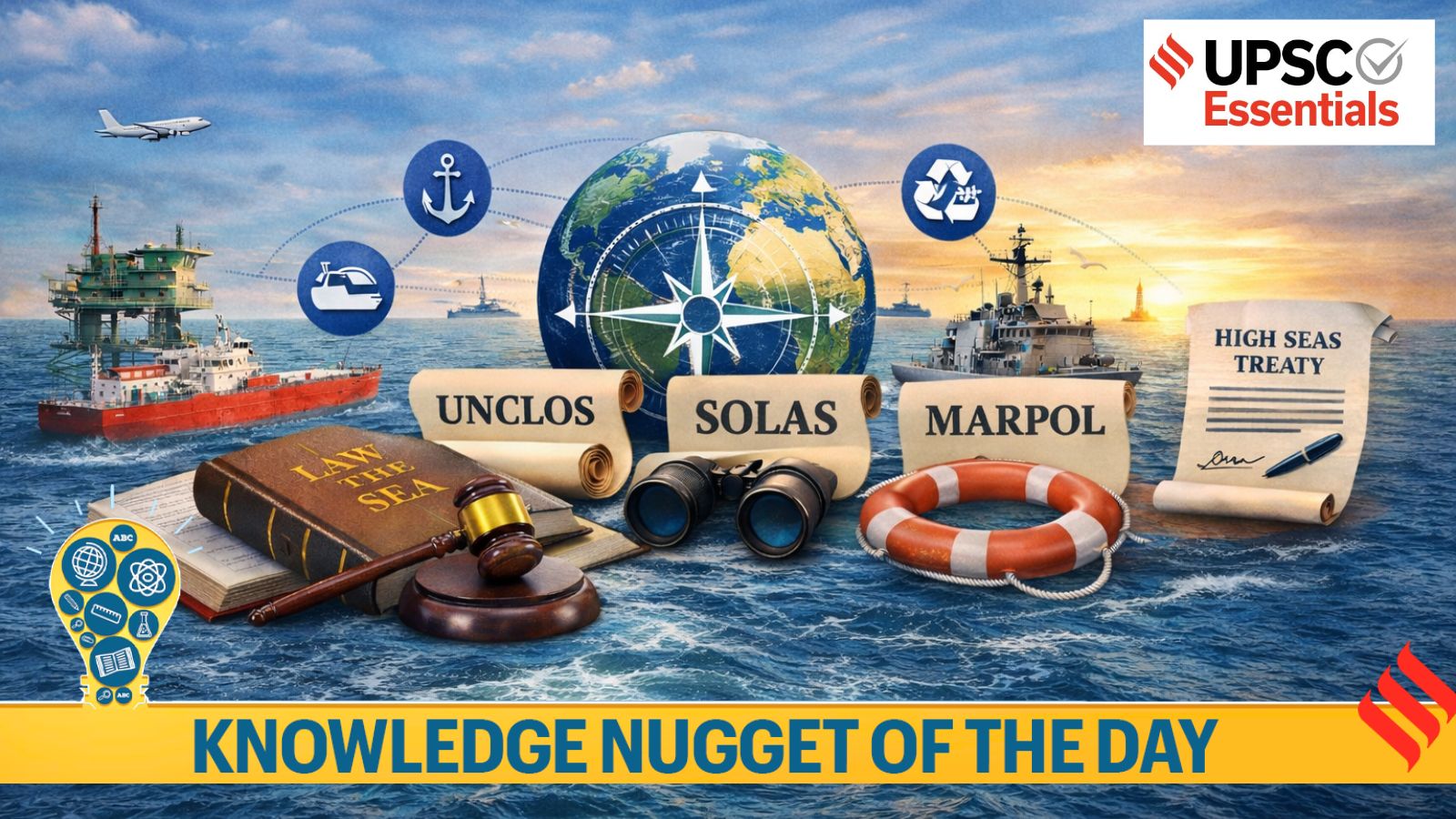
- UNCLOS (United Nations Convention on the Law of the Sea) defines territorial seas (up to 12 nautical miles) and Exclusive Economic Zones (EEZ, up to 200 nautical miles).
- The US is not a signatory to UNCLOS.
- The article notes that the law of naval warfare operates in parallel with UNCLOS during conflicts, suggesting a potential justification for the US action if a state of conflict exists.
- India signed the High Seas Treaty on September 25, 2024, and it came into force on January 17, 2026.
Critical Analysis:
The provided historical context reveals a tense geopolitical environment, specifically a “US-Israel war on Iran.” This context is critical. While the article states UNCLOS primarily focuses on peacetime governance, it also notes that the law of naval warfare takes precedence during conflict. The torpedoing of the Iranian warship, therefore, likely stems from this ongoing conflict, suggesting the US considered the Dena a legitimate military target despite its location outside of territorial waters. This action underscores the US’s willingness to act unilaterally, even in the absence of UNCLOS ratification, when its national security interests are perceived to be at stake. The other news items about internal backlashes from Iran regarding potential attacks on neighboring countries also point toward Iran being seen as an aggressor, which would provide further justification for the US’s actions.
Key Takeaways:
- The incident highlights the tension between international maritime law and the realities of armed conflict.
- The US’s non-signatory status to UNCLOS allows it greater flexibility in interpreting and applying maritime laws to its actions.
- The torpedoing signals a potential escalation in the US-Iran conflict, extending beyond direct engagements within national territories.
- The event underscores the importance of understanding the law of naval warfare in conjunction with UNCLOS.
Impact Analysis:
This event could have significant long-term implications:
- Escalation of Conflict: The torpedoing risks further escalating tensions between the US and Iran, potentially leading to more direct military confrontations.
- Maritime Security: The incident could lead to increased militarization of international waters, particularly in strategic locations like the Indian Ocean.
- International Law: The event challenges the effectiveness of international maritime law in preventing conflict, particularly when major powers like the US are not fully bound by its conventions.
- Diplomatic Repercussions: The incident is likely to trigger diplomatic protests and potentially impact relations between the US, Iran, Sri Lanka, and India.
- Freedom of Navigation: The event could impact freedom of navigation if other states begin to take similar actions against perceived adversaries.
 First Piper