
Mon Mar 09 10:49:57 UTC 2026: Headline: Iraq Football Coach Pleads with FIFA to Delay World Cup Qualifier Due to Iran War Disruptions
The Story:
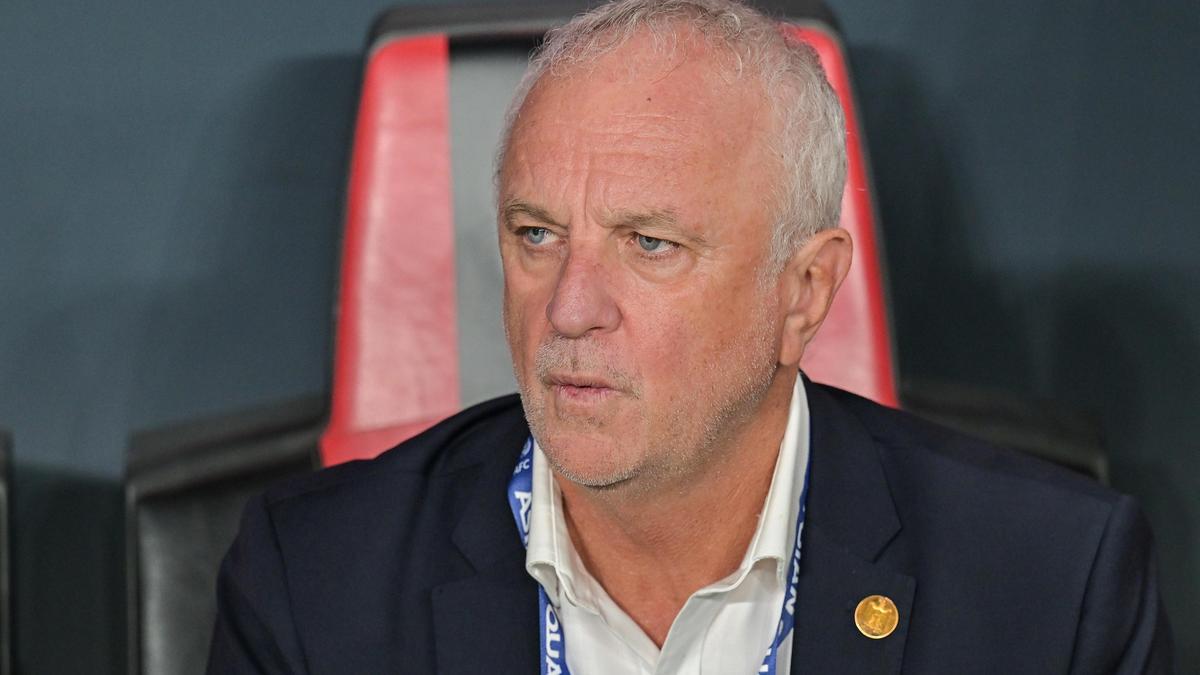
Iraqi football team head coach Graham Arnold has urgently requested FIFA to postpone his team’s intercontinental qualifier for the 2026 World Cup. The request stems from significant disruptions caused by the escalating Iran war. With Iraqi airspace closed until April 1, 2026, the team faces logistical nightmares in gathering its predominantly domestic-based players and securing visas for the playoff tournament in Monterrey, Mexico, scheduled for March 31, 2026.
The conflict has already led to the cancellation of a training camp in Houston. Arnold insists that fielding only overseas players is not a viable solution and is advocating for a delay, suggesting FIFA allow Suriname and Bolivia to play their preliminary match this month but postpone the final playoff until a week before the World Cup commences. He emphasizes the gravity of the match, calling it the “country’s biggest game in 40 years.”
Key Points:
- Iraq’s football team faces logistical challenges due to the escalating Iran war.
- Iraqi airspace is closed until April 1, 2026, hindering the team’s ability to gather players.
- Players are struggling to obtain visas due to foreign embassy closures.
- A planned training camp in Houston has been postponed.
- Coach Graham Arnold proposes delaying the playoff until shortly before the World Cup.
- The playoff match is scheduled for March 31, 2026, in Monterrey, Mexico.
Critical Analysis:
The timing of the US-Israel war on Iran, as hinted at by the historical context, directly impacts Iraq’s ability to participate in the World Cup qualifier. Senator Graham’s statement about making “a tonne of money” from the war suggests a pre-planned conflict, raising questions about the war’s deliberate impact on international events like the World Cup.
Key Takeaways:
- International conflicts can have significant and unforeseen consequences on sporting events.
- Logistical challenges caused by war can severely impede a nation’s ability to compete.
- FIFA faces a difficult decision balancing sporting integrity with geopolitical realities.
- The coach’s plea highlights the human cost of conflict, impacting the dreams and aspirations of a nation.
Impact Analysis:
The delay of the World Cup qualifier could set a precedent for how international sporting bodies respond to geopolitical crises. If FIFA grants the delay, it may establish a protocol for accommodating nations affected by war or conflict. Conversely, denying the request could lead to accusations of insensitivity and unfair treatment, potentially damaging FIFA’s reputation. The outcome of this situation will likely influence future decisions regarding sporting events held in or involving countries experiencing political instability or armed conflict.
 First Piper