
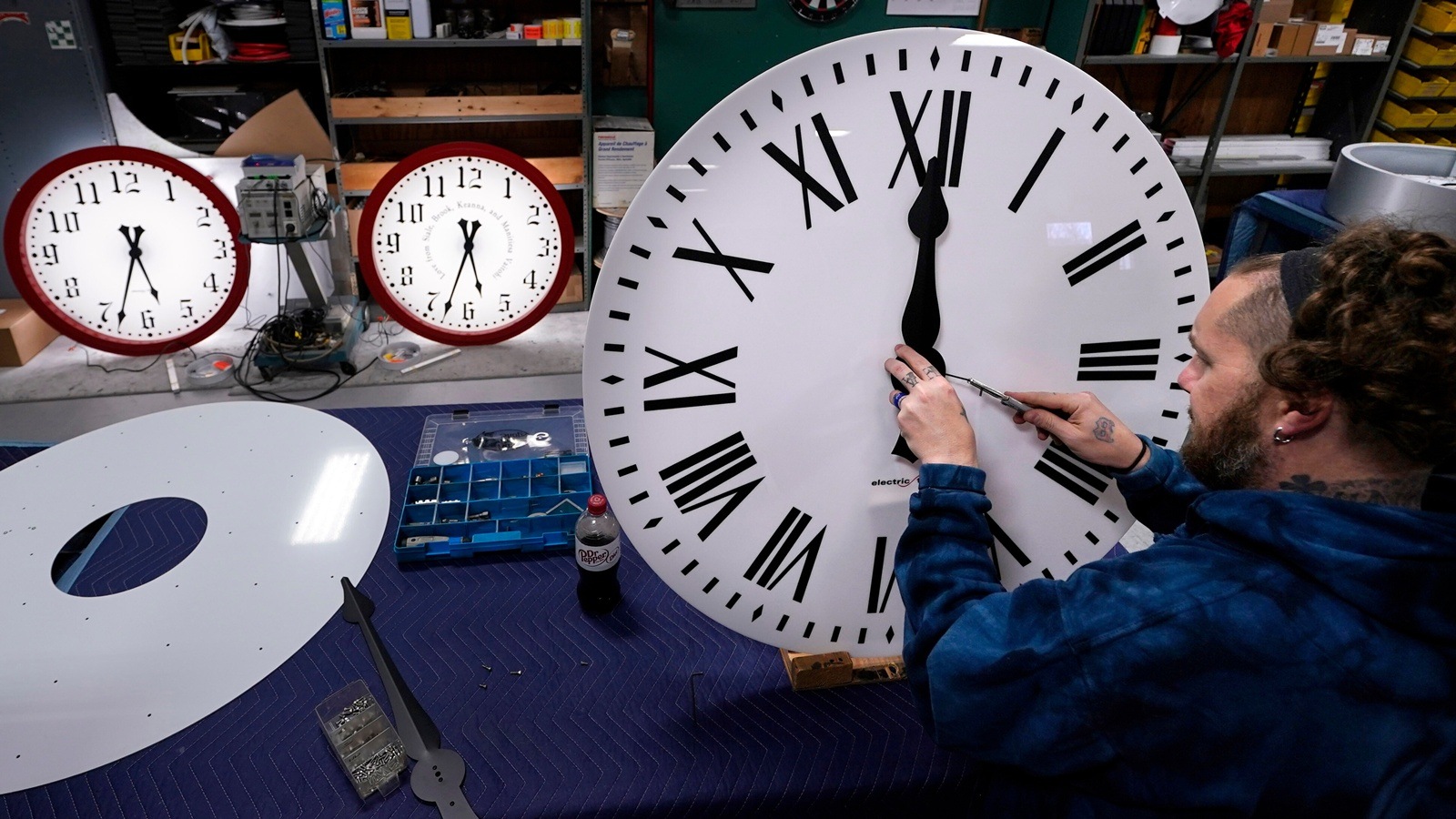
Mon Mar 09 02:40:00 UTC 2026: ### Daylight Saving Time’s Health Risks Under Scrutiny as U.S. “Springs Forward”
The Story:
Most of the United States observed the start of Daylight Saving Time on Sunday, March 9, 2026, a ritual that involves setting clocks forward one hour. This annual shift is not merely an inconvenience, but also poses potential health risks, according to various studies cited in the article. The disruption to the body’s natural circadian rhythm can lead to sleep problems, increased risk of heart attacks and strokes, and a temporary jump in fatal car crashes. While some states like Hawaii and most of Arizona opt out, and the debate continues in Congress regarding the permanent elimination of the time change, health organizations advocate for sticking with standard time year-round.
Key Points:
- Daylight Saving Time began on Sunday, March 9, 2026, at 2 a.m. in most of the U.S.
- Studies suggest an increase in heart attacks and strokes immediately following the spring time change.
- Fatal car crashes temporarily rise in the days after the time change, particularly in the morning.
- The American Medical Association and American Academy of Sleep Medicine recommend permanent standard time for better health.
- The Sunshine Protection Act, aimed at making daylight saving time permanent, has repeatedly stalled in Congress.
Key Takeaways:
- Daylight Saving Time, while seemingly minor, presents real and measurable health risks to the population.
- The debate over eliminating the time change is ongoing, with health experts advocating for a different solution than currently proposed legislation.
- Individuals can mitigate the negative effects of Daylight Saving Time by adjusting routines and maximizing morning sunlight exposure.
- The disruption of circadian rhythms has far-reaching effects beyond sleep, impacting heart health, metabolism, and more.
 First Piper