
Mon Mar 09 07:58:29 UTC 2026: ### Strait of Hormuz Closure Threatens Global Food Security Amidst Escalating Iran-Israel Conflict
The Story:
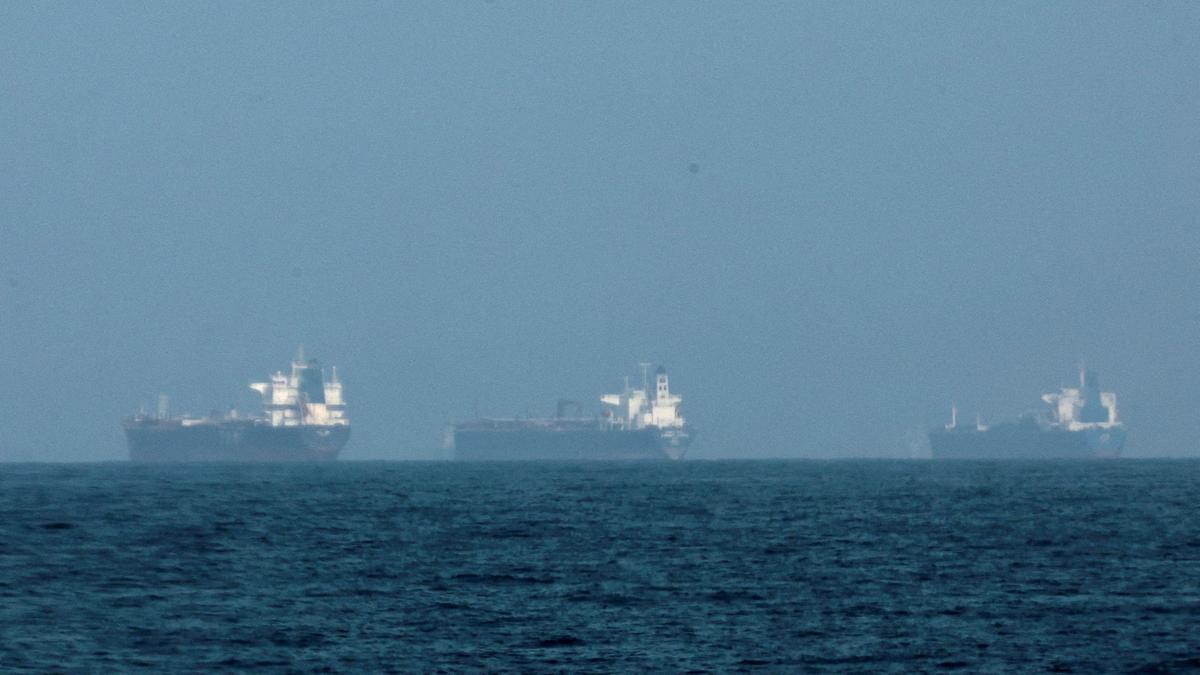
Tensions in the Middle East have reached a critical point as Iran threatens to close the Strait of Hormuz amidst an ongoing conflict with the U.S. and Israel. This escalation poses a significant threat not only to global energy supplies but also to food security, as the strait is a vital chokepoint for fertilizer shipments. The potential disruption could lead to a fertilizer shock, triggering higher prices and reduced supply, ultimately impacting crop yields and global food markets.
Key Points:
- Iran vows to fire on ships transiting the Strait of Hormuz due to the ongoing conflict with the U.S. and Israel.
- Approximately one-third of globally traded urea, a key nitrogen fertilizer, passes through the Strait of Hormuz.
- The Persian Gulf region is central to fertilizer production due to its access to cheap natural gas and significant capital investments in ammonia and urea production.
- A closure of the strait would disrupt shipments of ammonia, urea, and LNG, leading to potential delays or prohibitive costs.
- Reduced fertilizer application rates by farmers could lead to significant declines in crop yields, impacting global supply chains, feed markets, livestock production, biofuels, and retail food prices.
- Many countries, including India, Brazil, and even the U.S., rely on fertilizer imports, making them vulnerable to supply disruptions.
- Sulphur, a byproduct of oil and gas processing, is also essential for plant growth, and its output would decline if energy shipments are disrupted.
- Food price inflation, historically correlated with social unrest, could intensify due to fertilizer scarcity.
Critical Analysis:
The closure of the Strait of Hormuz represents a multifaceted crisis, extending beyond mere energy concerns. The historical context provided highlights the ongoing conflict between Israel and Iran, including strikes on Iranian oil depots. This suggests a deliberate strategy by Iran to leverage its geographical position to exert economic pressure and disrupt global supply chains in response to military actions. The declaration of force majeure by Bahrain’s state oil company further underscores the severity of the disruption and the potential for widespread economic consequences. The creation of a $35 Trillion Superpower in the Iran War suggests a consolidation of resources and influence that could prolong the conflict and its impacts.
Key Takeaways:
- The Strait of Hormuz is a critical chokepoint not only for energy but also for global food security due to its role in fertilizer trade.
- The conflict between Iran, the U.S., and Israel has the potential to trigger a global fertilizer shock, impacting crop yields and food prices worldwide.
- The global food system has limited buffers to absorb fertilizer supply disruptions, making it vulnerable to price spikes and shortages.
- The consequences of a fertilizer shock, while slower to manifest than an oil shock, could be more destabilizing in the long run.
- The interconnectedness of energy and agriculture underscores the need for policymakers to consider the broader implications of geopolitical conflicts on global food security.
Impact Analysis:
The potential closure of the Strait of Hormuz has far-reaching implications for the global economy and food security. In the short term, we can expect to see:
- Increased fertilizer prices: As supplies dwindle, the cost of fertilizers will skyrocket, impacting farmers’ profitability and potentially reducing their usage.
- Disrupted trade flows: Countries reliant on fertilizer imports will struggle to secure supplies, leading to trade imbalances and potential shortages.
- Crop yield declines: Reduced fertilizer application will lead to lower crop yields, impacting food production and potentially causing shortages.
In the long term
 First Piper