
Sun Mar 08 02:00:29 UTC 2026: # Strait of Hormuz Crisis Deepens as Tensions Escalate, Disrupting Global Shipping
The Story:
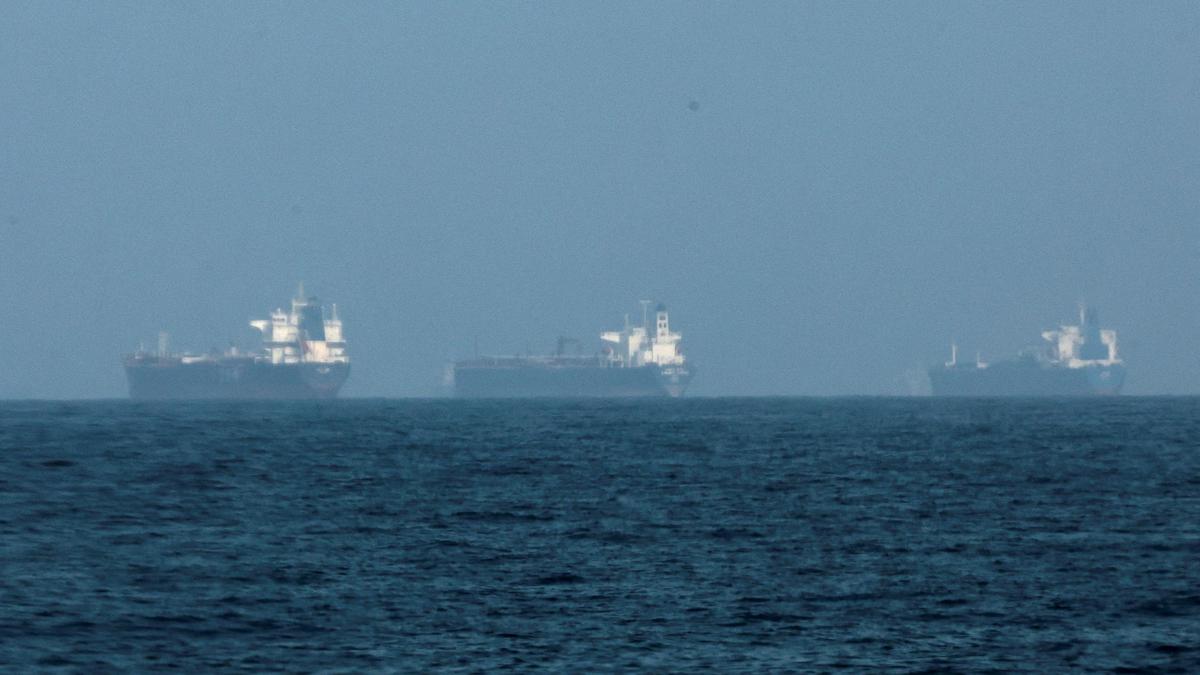
The Strait of Hormuz, a critical global chokepoint for oil and gas shipments, is experiencing a near-total collapse in commercial traffic following heightened tensions between the U.S., Israel, and Iran. Since February 28, 2026, when hostilities escalated, ship traffic has plummeted by approximately 95%. Attacks on ships in the region have become frequent, leading to soaring insurance costs and hundreds of vessels stranded. Iran has voiced conflicting messages regarding ship passage, with hardliners threatening attacks, while the U.S. vows to maintain the flow of traffic. The crisis has severe implications for global energy markets, particularly for countries like India, which relies heavily on the strait for its oil and gas imports.
Key Points:
- The Strait of Hormuz is a vital waterway for over 20% of the world’s oil and gas shipments and nearly 40% of India’s.
- Since February 28, 2026, ship traffic has decreased by 95%, with at least nine ships attacked.
- Approximately 600 ships are stranded in the region, including oil tankers, gas carriers, and bulk carriers.
- Insurance premiums have surged 10-15 times, making passage through the strait prohibitively expensive.
- Iran hopes that closing the strait will force world opinion to bear upon Israel and the U.S. to end the conflict.
- Qatar has shut down its LNG production since the conflict began.
- The U.S. has given the green light for India’s purchase of Russian crude for 30 days.
Critical Analysis:
The escalation in the Strait of Hormuz appears to be a direct consequence of the U.S.-Israel conflict with Iran, with Iran leveraging its strategic position to exert pressure on its adversaries. The historical context shows a growing unease in the region with news of attacks on oil tankers, bulk carriers passing through the strait, and general concerns about rising crude oil prices. Iran’s strategy is consistent with its past actions, such as during the Iran-Iraq war, where it used the strait as a pressure point. The U.S. commitment to maintaining traffic flow suggests a determination to prevent Iran from fully disrupting global energy supplies. India, heavily reliant on the strait, is actively seeking alternative supply sources and insurance support, highlighting the significant economic impact of the crisis.
Key Takeaways:
- The Strait of Hormuz remains a critical vulnerability in the global energy supply chain.
- Geopolitical conflicts in the Middle East can have immediate and significant consequences for global trade and economies.
- Iran is willing to use the strait as a strategic weapon to advance its interests.
- International cooperation is essential to mitigate the impact of disruptions in vital waterways.
- India is actively seeking to diversify its energy sources and secure its supply chains in response to the crisis.
Impact Analysis:
The crisis in the Strait of Hormuz has potentially far-reaching and long-term implications. The disruption to oil and gas supplies could lead to higher energy prices globally, exacerbating inflation and impacting economic growth. The increased cost of maritime insurance could further strain global trade. The reliance on alternative routes and suppliers, such as Russian crude for India, could reshape global energy trade patterns. The security situation in the region may necessitate a more permanent naval presence by international powers to ensure the safety of shipping. Furthermore, this event could accelerate the global transition towards renewable energy sources as nations seek to reduce their dependence on volatile regions.
 First Piper