
Sat Mar 07 17:54:04 UTC 2026: # Iran Reportedly Destroys U.S. THAAD Radar in Jordan Amidst Escalating Conflict
The Story:
Amidst the ongoing war between the U.S. and Iran, Iranian forces have reportedly destroyed a critical U.S. radar system associated with the Terminal High Altitude Area Defence (THAAD) system. The incident, which occurred at Muwaffaq Salti Air Base in Jordan, marks a significant blow to Washington’s regional missile defense network. The destroyed radar, an AN/TPY-2 model valued at approximately $300 million, is crucial for detecting and tracking missile threats in the Persian Gulf region.
Key Points:
* The U.S. deployed additional THAAD batteries to West Asia before launching the invasion of Iran on February 28, 2026.
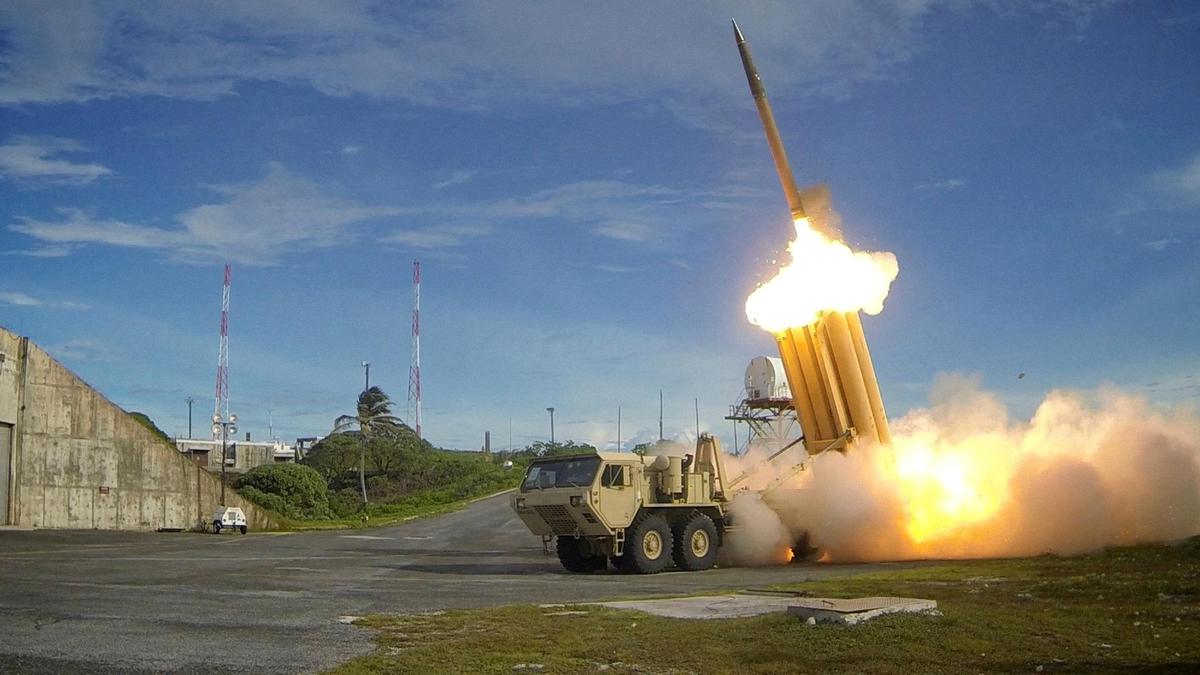
* THAAD is a highly advanced missile defense system designed to intercept short, medium, and limited intermediate-range ballistic missiles.
* THAAD utilizes “hit-to-kill” technology, destroying incoming missiles through direct collision.
* A typical THAAD battery consists of around 90 personnel, six launchers, and 48 interceptors.
* The destroyed radar was located at Muwaffaq Salti Air Base in Jordan.
* The AN/TPY-2 radar is manufactured by RTX Corp. and valued at around $300 million.
* Iran has reportedly destroyed the radar in the early days of the conflict.
Critical Analysis:
The destruction of the THAAD radar represents a calculated move by Iran to degrade U.S. missile defense capabilities in the region. Given the ongoing conflict initiated by the U.S. invasion, targeting strategic assets like the AN/TPY-2 radar is a logical step to weaken the U.S.’s ability to intercept Iranian missile attacks. The timing, “during the early days of the conflict,” suggests a preemptive strike aimed at maximizing impact.
Key Takeaways:
- The destruction of the THAAD radar significantly weakens the U.S. missile defense network in the Persian Gulf.
- The incident highlights the vulnerability of even advanced missile defense systems to targeted attacks.
- The loss of the radar could embolden Iran to escalate its missile activities.
- The attack underscores the importance of redundancy and resilience in missile defense architecture.
- The destruction of the radar will likely further escalate tensions between the U.S. and Iran.
Impact Analysis:
The reported destruction of the THAAD radar is likely to have significant long-term implications for the regional balance of power and U.S. defense strategy.
- Increased Regional Instability: The degraded missile defense capabilities may embolden other actors in the region, leading to increased instability and potential for further conflict.
- Reassessment of U.S. Defense Strategy: The U.S. will likely need to reassess its missile defense strategy, potentially investing in more mobile and resilient systems.
- Arms Race: The incident could trigger a regional arms race, with countries seeking to acquire or develop advanced missile capabilities to counter perceived threats.
- Shift in Strategic Alliances: The vulnerability of U.S. assets may cause allies to question their reliance on U.S. protection, potentially leading to a realignment of strategic alliances.
- Economic Impact: The need to replace the destroyed radar and invest in enhanced missile defense systems will likely have a significant economic impact on the U.S.
 First Piper