
Sun Mar 01 12:47:07 UTC 2026: # Lenacapavir: A Breakthrough in HIV Prevention and the Ongoing Battle Against Viral Resistance
The Story:
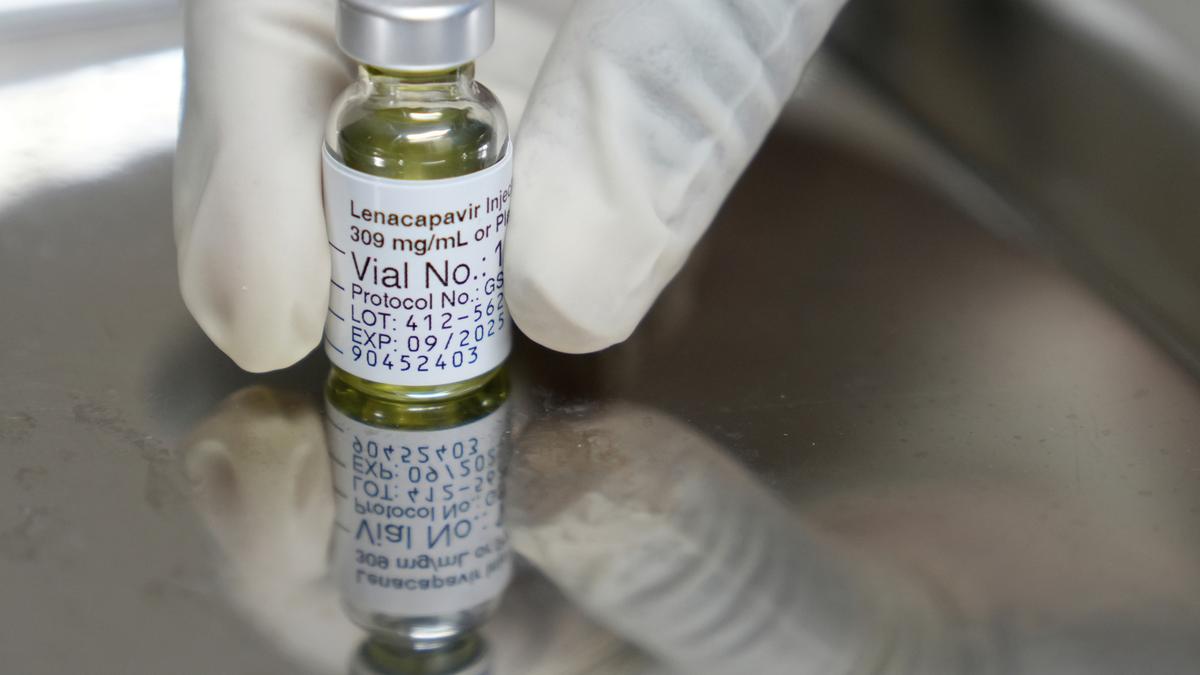
A new drug, lenacapavir, has emerged as a promising advancement in HIV prevention. Approved by the U.S. FDA on June 18, 2025, lenacapavir is the first capsid-based HIV inhibitor. Administered as a semi-annual injection, it demonstrated 100% effectiveness in preventing HIV infection in high-risk individuals during clinical trials. This breakthrough, however, is tempered by the knowledge that HIV can develop resistance to single-drug therapies, necessitating combination treatments. Research published in Science Translational Medicine has identified mutations in the capsid protein that reduce lenacapavir’s effectiveness when used alone, reinforcing the importance of combination antiretroviral therapies.
Key Points:
- 1987: Zidovudine, the first drug effective against HIV, was reported.
- June 18, 2025: The FDA approved lenacapavir, the first capsid-based HIV inhibitor.
- Lenacapavir is administered as an injection every six months.
- Clinical trials showed 100% effectiveness in preventing HIV infection.
- HIV can develop resistance to lenacapavir when used as a monotherapy.
- Resistance mutations in the capsid protein can significantly reduce viral replication.
- Lenacapavir remains effective when used in combination with other antiretroviral drugs.
Key Takeaways:
- Lenacapavir represents a significant advancement in HIV prevention due to its unique mechanism and infrequent dosing schedule.
- The development of resistance highlights the ongoing challenge of combating HIV and the necessity of combination therapies.
- The research validates the capsid protein as a viable drug target and encourages further investigation into capsid-focused strategies.
- Persistence in research, as demonstrated by the long development of lenacapavir, is crucial for scientific breakthroughs.
- The study reinforces the importance of understanding viral mechanisms and vulnerabilities to develop effective treatments.
 First Piper