
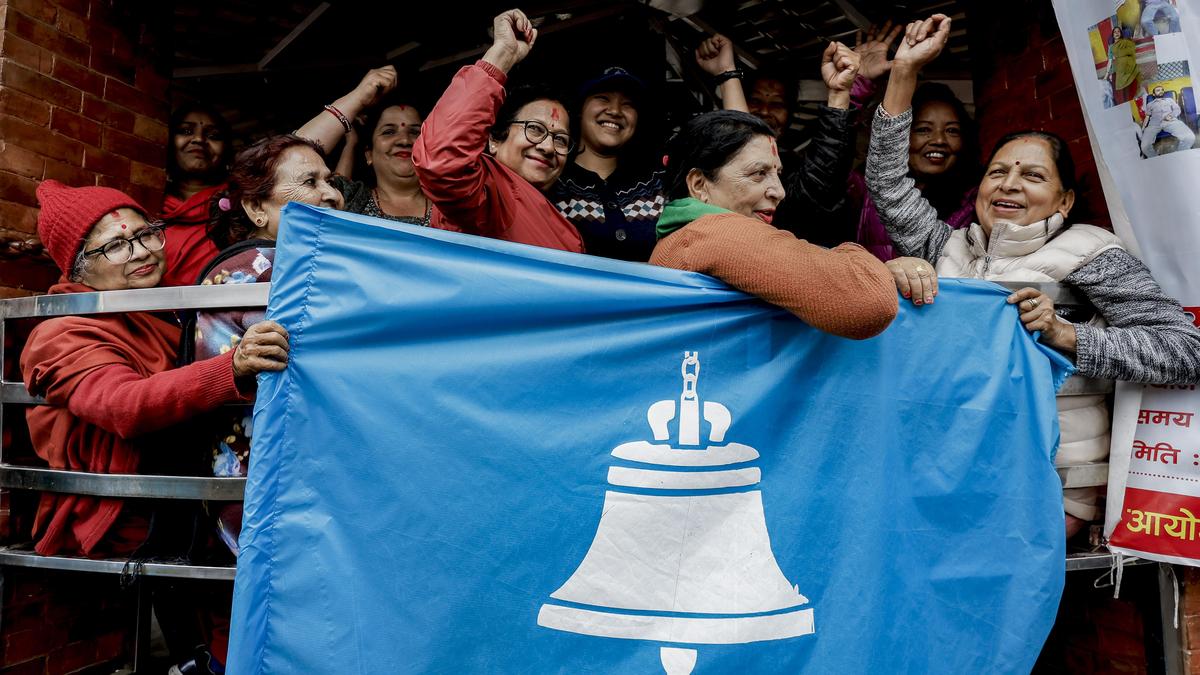
Sun Mar 08 02:20:25 UTC 2026: # Rastriya Swatantra Party (RSP) Achieves Landslide Victory in Nepal’s General Election
The Story:
In a stunning upset, the Rastriya Swatantra Party (RSP), founded in June 2022 by former television personality Rabi Lamichhane, has secured a majority of 138 seats in the Nepal general election held on March 5, 2026. The RSP’s victory marks a significant blow to established parties like the Nepali Congress, CPN-UML, and CPN (Maoist Centre). This rise can be attributed to public frustration with the old guard, support for the Gen Z protests, and the popularity of Kathmandu Mayor Balendra Shah, who joined the RSP as its prime ministerial candidate.
The RSP’s journey has been marked by controversies, including Lamichhane’s legal troubles and shifting ideological stances. However, the party has evolved, now identifying as a pluralistic democratic party with a centrist liberal ideology. Despite past challenges, the RSP capitalized on public anger against corruption and misrule, ultimately achieving a landslide victory.
Key Points:
- The Rastriya Swatantra Party (RSP) is projected to secure a majority of 138 seats, potentially reaching a two-thirds majority of 184 in the 275-member House.
- The RSP was founded in June 2022 by Rabi Lamichhane, a former television personality.
- Kathmandu Mayor Balendra Shah joined the RSP as its prime ministerial candidate, contributing to the party’s growing public support.
- The election was largely seen as “Balen versus the rest,” indicating Shah’s significant influence.
- The RSP has won 57 seats under the first-past-the-post system and is leading in 64 out of 165 constituencies. It is also ahead in the proportional representation system, securing a 53% vote share.
- The K.P. Sharma Oli government was toppled after protests that claimed 77 lives.
Critical Analysis:
The victory of the RSP is happening due to a confluence of factors related to public dissatisfaction and strategic political maneuvering. The historical context provided indicates a broader trend of political upheaval and dissatisfaction with established parties, not just in Nepal but potentially reflected in other regions (Pakistan). The Gen Z protests, the corruption allegations against established parties, and the charismatic appeal of figures like Balen Shah created a perfect storm for the RSP to capitalize on. The expert opinion suggesting the RSP is a “party of progressive, smart people” and potentially aligns with India’s interests reveals a strategic depth to their appeal, hinting at possible future geopolitical realignments.
Key Takeaways:
- Public dissatisfaction with established political parties can lead to the rapid rise of new political forces.
- Charismatic leaders and strategic alliances are crucial for electoral success in volatile political landscapes.
- The RSP’s victory signifies a potential shift in Nepal’s political landscape and could impact regional geopolitics.
- The success of the RSP highlights the importance of addressing public grievances related to corruption and misrule.
- The “Balen effect” demonstrates the power of a strong prime ministerial candidate in shaping election outcomes.
Impact Analysis:
The RSP’s landslide victory has significant long-term implications for Nepal.
- Domestic Policy: The RSP is likely to implement policies focused on addressing corruption, promoting economic liberalism with social justice, and potentially reforming the federal structure.
- Political Landscape: The established parties will need to reassess their strategies and address the underlying causes of public dissatisfaction to regain their footing. Nepal could see a period of political realignment.
- Regional Relations: The RSP’s
 First Piper