
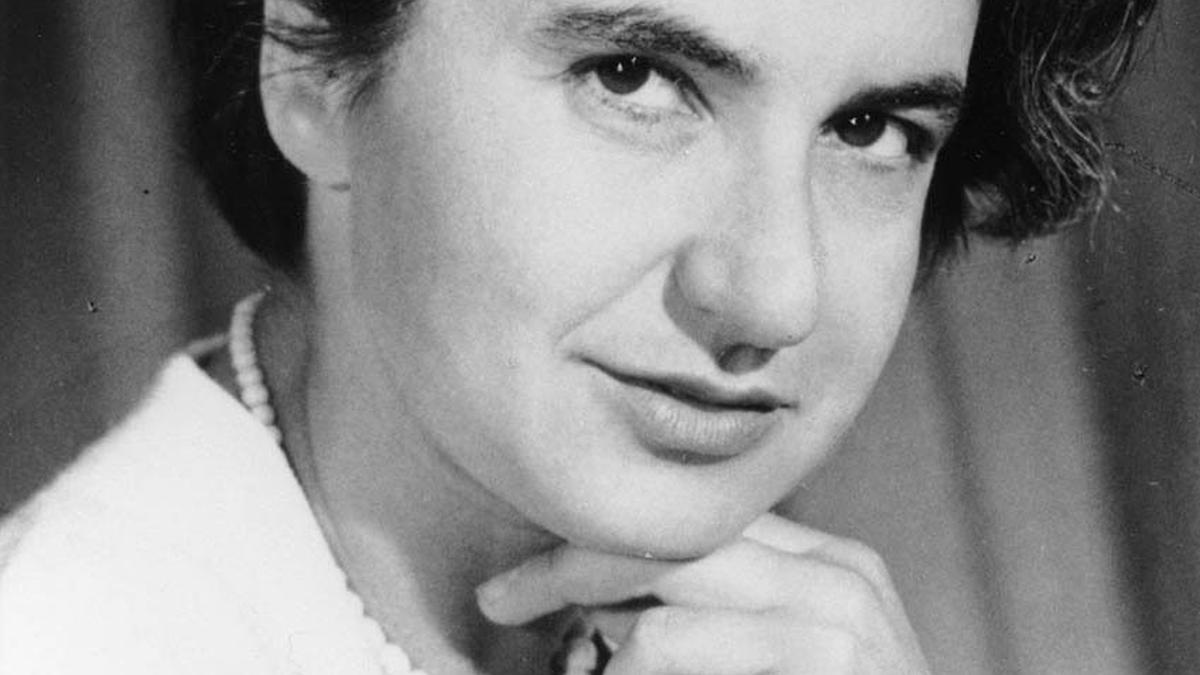
Thu Mar 05 11:43:59 UTC 2026: Headline: Remembering Rosalind Franklin: A Call for Equity in Science on International Women’s Day
The Story:
On March 8, 2026, The Hindu published an article reflecting on the legacy of Rosalind Franklin following the death of James Watson in November 2025. The article highlights Franklin’s crucial, yet often overlooked, contributions to the discovery of the double helix structure of DNA, and argues that her story is representative of a broader systemic issue of women scientists being denied credit for their work due to patriarchal structures. The piece uses Franklin’s experience to advocate for a more equitable and gender-neutral approach to recognizing scientific contributions.
Key Points:
- The death of James Watson prompted a re-evaluation of Rosalind Franklin’s contributions to the discovery of DNA’s double helix structure.
- Franklin’s experimental work and analytical data, particularly X-ray image 51, provided crucial evidence for the double helix model.
- Watson’s memoir, The Double Helix, contributed to a biased and dismissive portrayal of Franklin, reinforcing a patriarchal narrative.
- The “Matilda effect” is cited as a phenomenon where the achievements of female scientists are systematically overlooked or credited to male colleagues, as exemplified by Lise Meitner, Nettie Stevens, Jocelyn Bell Burnell, and Chien-Shiung Wu.
- The article calls for a shift from simply implementing programs to support women in STEM to cultivating a truly gender-neutral mindset where credit is awarded based solely on evidence and contributions.
Key Takeaways:
- Rosalind Franklin’s story serves as a stark reminder of the historical biases that have marginalized women in science.
- Addressing gender inequality in STEM requires dismantling patriarchal narratives and challenging ingrained biases.
- True progress lies in creating a culture where scientific contributions are recognized based on merit, irrespective of gender.
- Remembering scientists like Franklin is not just about correcting historical records, but also about inspiring future generations of women in STEM.
- Superficial support for women in STEM can be counterproductive if it reinforces existing power imbalances.
Impact Analysis:
The publication of this article on International Women’s Day (March 8, 2026) signals a continued push for gender equity within the scientific community. By revisiting the story of Rosalind Franklin, the article aims to raise awareness and inspire concrete actions to address the systemic biases that hinder women’s advancement in STEM fields. The long-term impact may include increased scrutiny of historical narratives in science, greater recognition of female scientists’ contributions, and a shift towards more equitable practices in research and academia. The article could also influence policy changes aimed at promoting gender equality in STEM education and careers.
 First Piper