
Sun Mar 08 14:07:20 UTC 2026: ### Nepal Probe Blames Governance Failures for Gen-Z Protest Deaths
The Story:
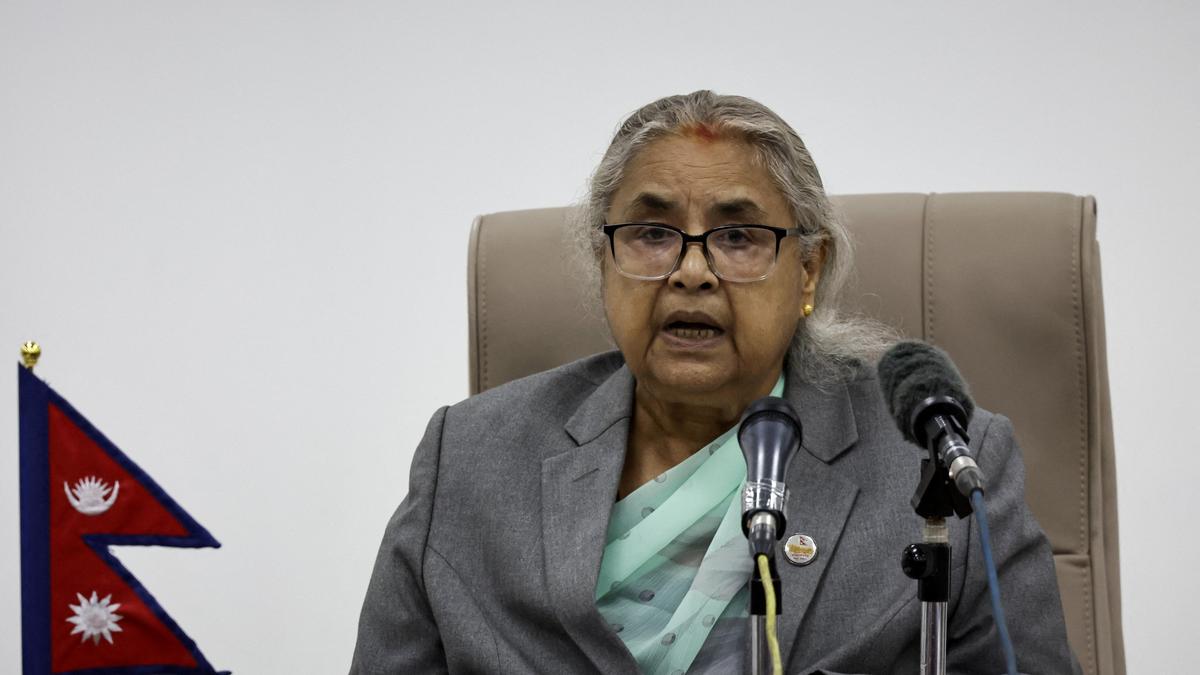
A high-level commission in Nepal has submitted its report to interim Prime Minister Sushila Karki on Sunday, March 8, 2026, investigating the killings, arson, and damages that occurred during the September 2025 Gen-Z protests. The report attributes the violence and resulting 76 deaths (22 on September 8 and 54 on September 9) to a lack of good governance and inefficiency by the previous administration. While the report identifies individuals responsible for the shootings and those who failed to prevent the killings, the names have not been publicly released.
Key Points:
- The probe was led by former Supreme Court Justice Gauri Bahadur Karki.
- The commission was formed following a cabinet decision on September 21, 2025, after Sushila Karki became interim Prime Minister.
- The report blames the politicization of government institutions for public frustration.
- The commission recommends legal action against those who shot protesters and those who failed to prevent the killings.
- The report warns of another potential Gen-Z movement if the government fails to implement the recommendations.
- The commission’s initial three-month period was extended three times, delaying the report’s submission until after the March 5, 2026 general election.
- The protests that triggered the investigation led to the resignation of former Prime Minister K. P. Sharma Oli on September 9, 2025, due to corruption allegations and a ban on social media.
Key Takeaways:
- The report highlights deep-seated issues of governance and institutional politicization in Nepal.
- The government faces significant pressure to act on the report’s recommendations to avoid further unrest.
- The Gen-Z protests underscore the growing influence and potential for activism among young people in Nepal.
- The delay in the report’s submission suggests potential political sensitivities surrounding the investigation.
Impact Analysis:
The findings of the probe have potentially far-reaching consequences for Nepal’s political stability. Failure to address the grievances that fueled the Gen-Z protests could lead to renewed social unrest and further destabilize the government. Furthermore, the report’s recommendations regarding legal action against those responsible for the violence will test the government’s commitment to accountability and the rule of law. The long-term impact will depend on the interim government’s ability to effectively implement the report’s findings and address the underlying issues of governance that contributed to the crisis.
 First Piper