
Sun Mar 08 09:56:10 UTC 2026: # Colombia Holds Pivotal Elections Amidst Political Tensions and Security Concerns
The Story:
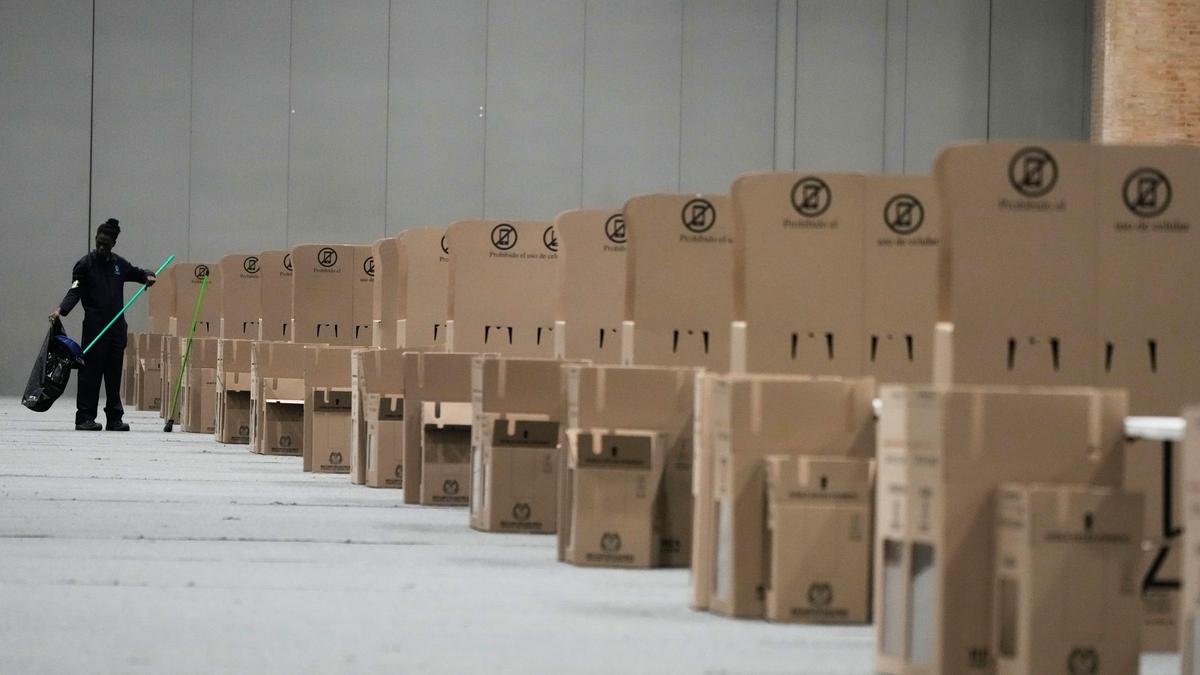
Colombia is holding congressional elections and primary-style contests on Sunday, March 8, 2026, to select candidates for the upcoming presidential election in May. The elections are taking place under high alert due to political violence, particularly in rural regions controlled by illegal armed groups. President Gustavo Petro, the country’s first left-leaning leader, has raised concerns about the integrity of the election software, referencing the vote recount in the 2022 legislative elections. The European Union has deployed election observers.
Key Points:
- Colombians are electing a new Congress and selecting presidential candidates from three major coalitions.
- More than 3,000 candidates are competing for 285 legislative positions.
- 41.2 million citizens are eligible to vote.
- President Petro is ineligible for reelection due to constitutional term limits.
- The right-wing opposition aims to regain its dominance, led by the influence of former President Álvaro Uribe.
- Presidential primaries are being held concurrently for the centre, centre-left, and right political blocs.
- Leading presidential candidates, Ivan Cepeda and Abelardo de la Espriella, are not participating in the primaries.
- More than 126,000 law enforcement officers are deployed across the country for Election Day.
Key Takeaways:
- The elections are critical in defining the political landscape for Colombia’s next president.
- Concerns about election integrity and the threat of political violence pose significant challenges.
- The outcome will determine the balance of power between the left, right, and centre-leaning political forces in Colombia.
- The absence of leading candidates from the primaries adds an element of unpredictability.
Impact Analysis:
The Colombian elections will have a significant impact on the future of the country, particularly in relation to President Petro’s existing reforms.
- Legislative Balance: A shift in the composition of Congress could either bolster or undermine Petro’s remaining policy agenda, especially regarding healthcare and tax reforms. A strong right-wing presence could lead to policy gridlock.
- Presidential Direction: The results of the presidential primary contests will set the stage for the May election, influencing the overall direction of Colombia’s domestic and foreign policies.
- Stability: The election’s impact on political stability will depend largely on the level of violence and the perceived legitimacy of the results. Any significant unrest could jeopardize Colombia’s democratic institutions.
 First Piper