
Sun Mar 08 07:38:38 UTC 2026: ### Headline: Delhi Authorities Demolish Home of Accused in Holi Murder Case Amidst Community Tension
The Story:
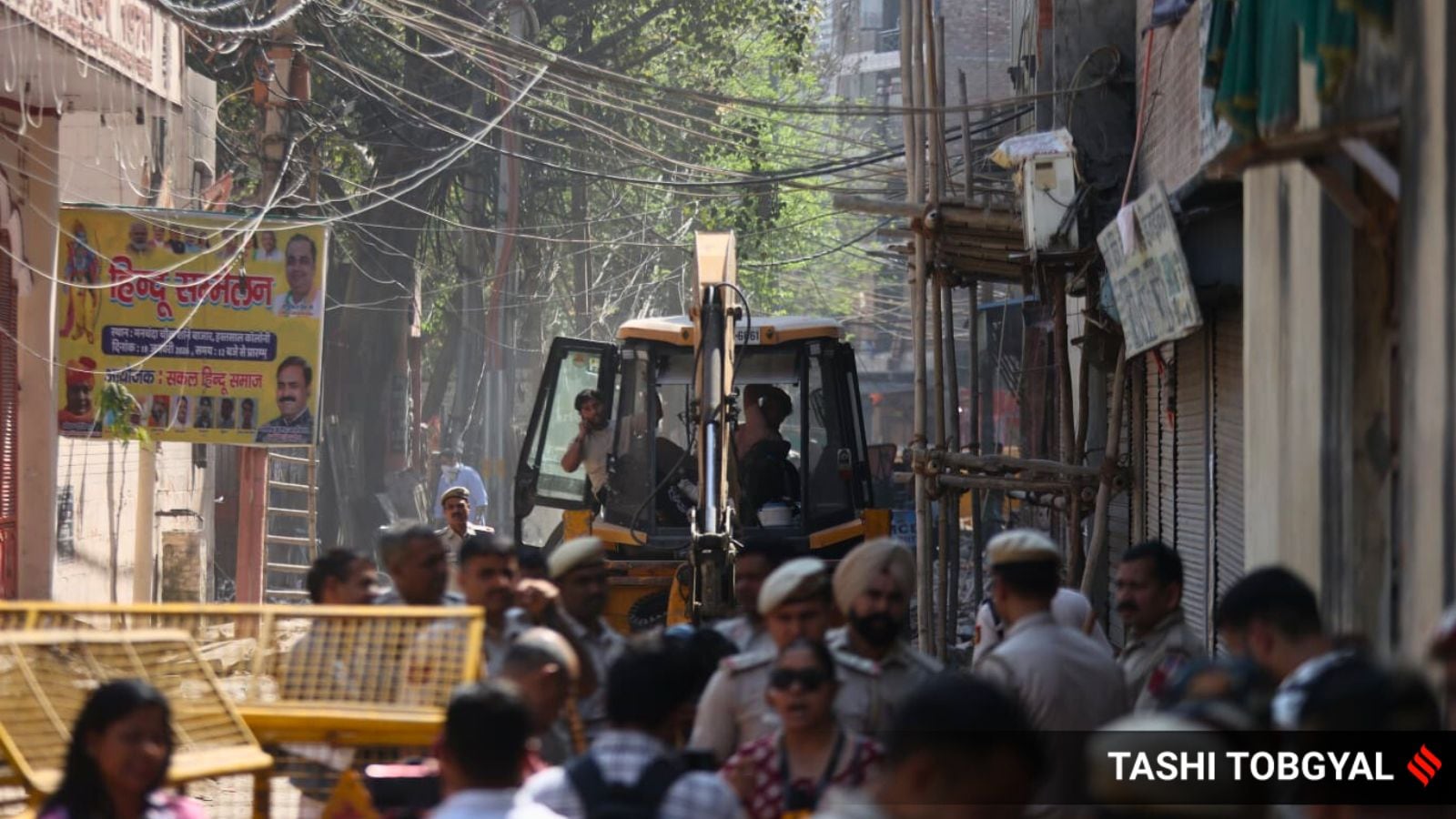
Four days after 26-year-old Tarun Kumar was allegedly beaten to death following a dispute involving a water balloon during Holi celebrations, civic authorities in Delhi, accompanied by the Delhi Police, demolished portions of the residential building belonging to the accused in the case. The demolition occurred in the JJ Colony of Uttam Nagar, with authorities citing “illegal construction” as the reason. The action followed arrests of six individuals and apprehension of a juvenile in connection with the murder, with the accused also booked under the SC/ST Act for allegedly using caste slurs.
The incident that led to Kumar’s death occurred on March 4, 2026, when a water balloon accidentally splashed on a woman in the neighborhood, leading to an argument between families from different communities. The argument escalated into a violent assault on Kumar, resulting in his death. The locality has since been tense, with reports of arson targeting vehicles parked outside the residences of the accused.
Key Points:
- March 8, 2026: Civic authorities demolished parts of a three-story house belonging to an accused in the Tarun Kumar murder case.
- Six people, identified as Umardeen (49), Jummadeen (36), Kamruddin (36), Mustaque (46), Muzzaffar (25), and Tahir (18), were arrested, and a juvenile was apprehended.
- The accused were booked under the SC/ST Act for allegedly using caste slurs.
- The incident stemmed from a dispute over a water balloon on March 4, 2026.
- Following the murder, vehicles parked outside the accused’s residence were allegedly set on fire.
- The demolition was conducted with a large police force and paramilitary personnel from the Rapid Action Force (RAF).
Critical Analysis:
The demolition of the accused’s property, justified as action against “illegal construction,” is a response to public outrage and societal tensions following Tarun Kumar’s death. The timing of the demolition, just days after the incident and arrests, suggests a deliberate effort by authorities to demonstrate a swift and decisive response to the crime and to quell potential further unrest. The presence of a large police force and paramilitary personnel indicates the sensitivity of the situation and the authorities’ concern about maintaining order.
Key Takeaways:
- The demolition highlights the intersection of law enforcement, civic administration, and community tensions in the aftermath of violent crimes.
- The invocation of the SC/ST Act suggests a caste dimension to the conflict, adding complexity to the situation.
- The authorities are acting quickly to address public anger and prevent further escalation of violence.
- The incident underscores the fragility of inter-community relations and the potential for minor disputes to escalate into deadly conflicts.
Impact Analysis:
This event is likely to have a significant impact on community relations in Uttam Nagar. The demolition, while intended to restore order, may also deepen divisions and foster resentment among some residents. The incident could also set a precedent for future actions against individuals accused of crimes, raising concerns about due process and the rule of law. The long-term effects will depend on how effectively authorities address the underlying issues of community tensions and ensure justice for all parties involved.
 First Piper