
Sat Mar 07 19:26:20 UTC 2026: # Bonded Laborers, Including Children, Rescued from Brick Kiln in Tamil Nadu
The Story:
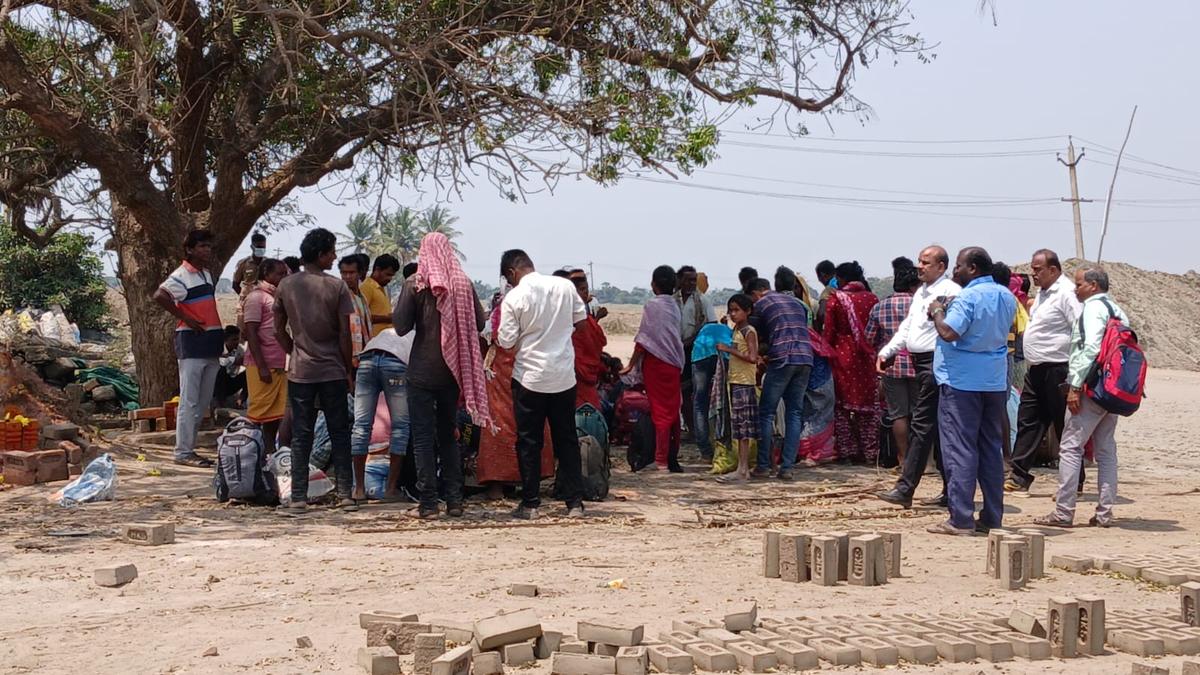
Seventy-eight bonded laborers, including 21 children, were rescued from a brick kiln in Tiruvallur, Tamil Nadu on March 8, 2026. District authorities conducted the raid, freeing 32 men, 25 women, 10 boys, and 11 girls. The laborers, all hailing from Bolangir district of Odisha, had been working under bonded conditions at the kiln since January 2026. The kiln owner reportedly paid an advance of ₹30,000 to ₹35,000 per person to bring them to work at the site.
Key Points:
- 78 bonded laborers rescued from a brick kiln in Tiruvallur.
- 21 children among those rescued.
- Laborers originated from Bolangir district of Odisha.
- They were working under bonded conditions since January 2026.
- Kiln owner paid an advance of ₹30,000 to ₹35,000 per person.
Critical Analysis:
The historical context provided does not directly link to this specific incident of bonded labor. However, the juxtaposition of this news with the headline “[Sun Mar 08 08:33:20 UTC 2026] From India To UNGA: Just Rights for Children’s Blueprint To End Child Marriage Globally” highlights a stark contradiction. While India advocates for children’s rights on a global stage, instances of child labor and bonded labor persist within its own borders.
Key Takeaways:
- Bonded labor, including child labor, remains a persistent problem in India, despite legal prohibitions.
- The vulnerability of individuals from economically disadvantaged regions like Bolangir district of Odisha makes them susceptible to exploitation.
- The relatively small advance payments suggest a system of debt bondage, where individuals are trapped in a cycle of labor to repay debts.
Impact Analysis:
This rescue operation, while a positive step, underscores the need for:
* Increased vigilance and enforcement of anti-bonded labor laws at the district level.
* Targeted interventions in vulnerable regions like Bolangir to address the root causes of migration and exploitation.
* Rehabilitation programs for rescued laborers, including education for children, skill development for adults, and access to social security schemes.
Failure to address these systemic issues will likely result in the continuation of such exploitative practices.
 First Piper