
Mon Mar 02 02:05:53 UTC 2026: # Atacama Desert Study Boosts Hopes for Finding Life on Mars
The Story
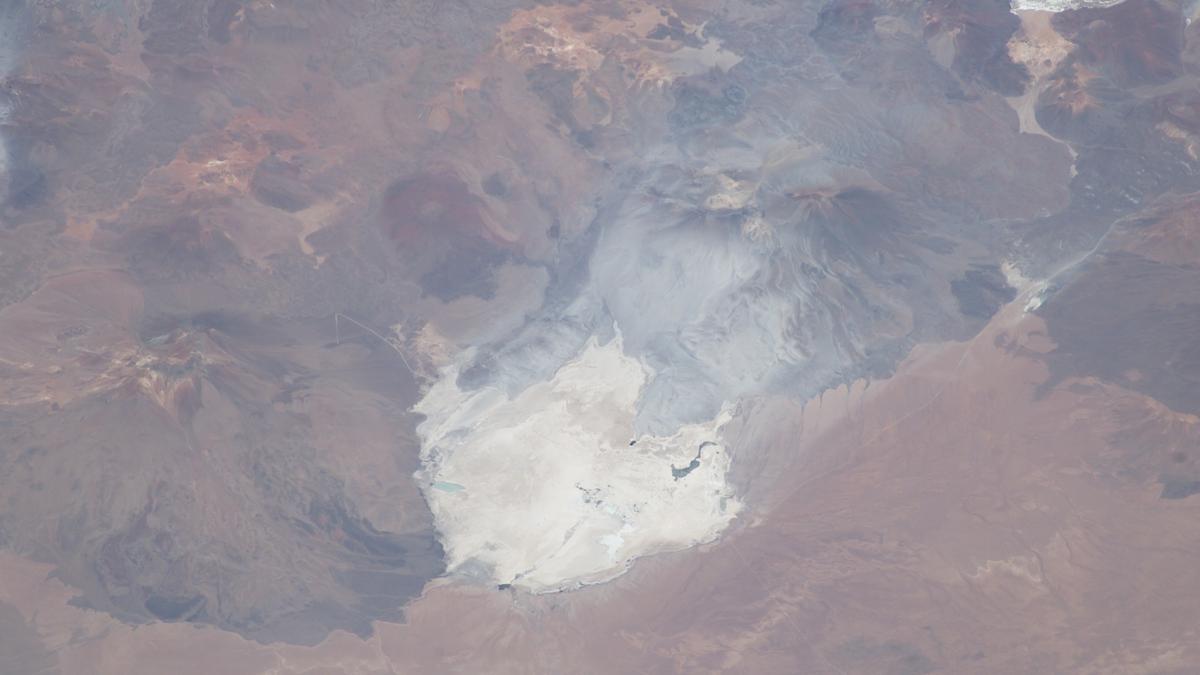
A new study published on March 1, 2026, highlights the potential of the Atacama Desert in Chile as an analogue for Mars in the search for extraterrestrial life. Scientists investigated the Salar de Pajonales, a harsh, high-altitude salt flat, finding that gypsum rocks provide a protective environment for microbes. This discovery suggests that similar gypsum deposits on Mars could harbor evidence of past or present life.
Key Points
- The Salar de Pajonales in the Atacama Desert is an extremely dry, cold, and high-altitude environment similar to Martian conditions.
- Scientists studied stromatolites, layered rock structures built by microbes, made of gypsum (CaSO4.2H2O).
- Gypsum acts as a shield for microbes by allowing sunlight penetration while blocking harmful radiation and trapping moisture.
- Fossils and chemical fingerprints of ancient life were found deeper inside the stromatolites, preserved by the gypsum.
- Mars has large deposits of gypsum, making these findings relevant to future searches for life on the planet using orbiters and satellites.
Critical Analysis
(Not Applicable, based on provided context.)
Key Takeaways
- The Atacama Desert serves as a valuable terrestrial analogue for understanding potential habitats on Mars.
- Gypsum’s protective properties make it a key target in the search for Martian life.
- The study provides a scientific basis for prioritizing gypsum deposits in future Martian exploration missions.
- Finding life in extreme environments on Earth increases the probability of finding life on other planets.
Impact Analysis
(Not Applicable, based on provided context.)
 First Piper