
Mon Mar 02 05:19:30 UTC 2026: ### Headline: Odisha Police Declare Bolangir and Bargarh Maoist-Free Following Surrenders
The Story:
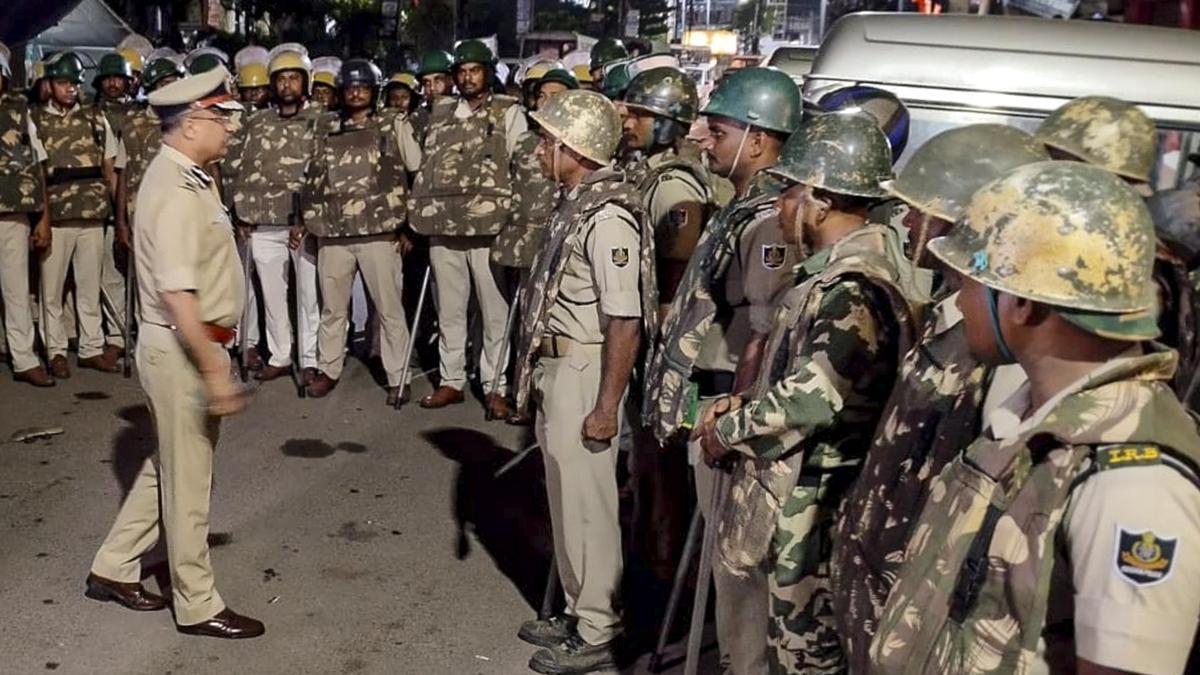
On March 2, 2026, the Odisha Police announced that Bolangir and Bargarh districts are officially Maoist-free. This declaration follows the surrender of 15 Maoists to security personnel in neighboring Chhattisgarh. Director-General of Police (DGP) Y.B. Khurania stated that this achievement marks a significant milestone in the ongoing anti-Maoist operations across the state.
The surrender took place in Chhattisgarh’s Mahasamund district, which borders Bargarh, with the presence of three senior Odisha Police officers. The DGP credited the success to sustained joint operations, precise intelligence, coordinated efforts of security forces, and cooperation from local residents.
Key Points:
- Bolangir and Bargarh districts declared Maoist-free after 15 Maoists surrendered.
- The surrenders occurred in Chhattisgarh’s Mahasamund district.
- The number of Maoist-free districts in Odisha has risen to seven.
- Maoist presence continues in Kandhamal, Rayagada, and Kalahandi districts.
- Approximately 25 Maoists are believed to remain active in the state, mostly in Kandhamal.
- A major anti-Maoist operation is underway in Kandhamal, targeting Maoist leader Sukru.
Key Takeaways:
- Sustained and coordinated anti-Maoist operations are proving effective in reducing Maoist influence in Odisha.
- The cooperation of local residents is crucial in the success of these operations.
- While significant progress has been made, the Maoist problem persists in certain districts, requiring continued efforts.
- The focus is now shifting to eliminating remaining Maoist presence in Kandhamal, Rayagada, and Kalahandi.
- Intelligence-led operations are vital for targeting key Maoist leaders and disrupting their activities.
Impact Analysis:
The declaration of Bolangir and Bargarh as Maoist-free has several long-term implications:
- Improved Security: Enhanced security in the region will foster a more stable environment for economic development and social progress.
- Increased Development: With reduced Maoist influence, the government can focus on infrastructure development, education, and healthcare in these previously affected areas.
- Boosted Confidence: The success can boost the confidence of security forces and local communities, encouraging further cooperation in anti-Maoist efforts.
- Strategic Shift: The government can now strategically allocate resources to address the remaining Maoist strongholds, focusing on Kandhamal, Rayagada, and Kalahandi.
- Rehabilitation Programs: Increased surrenders necessitate the strengthening of rehabilitation programs for former Maoists, facilitating their reintegration into society.
 First Piper