
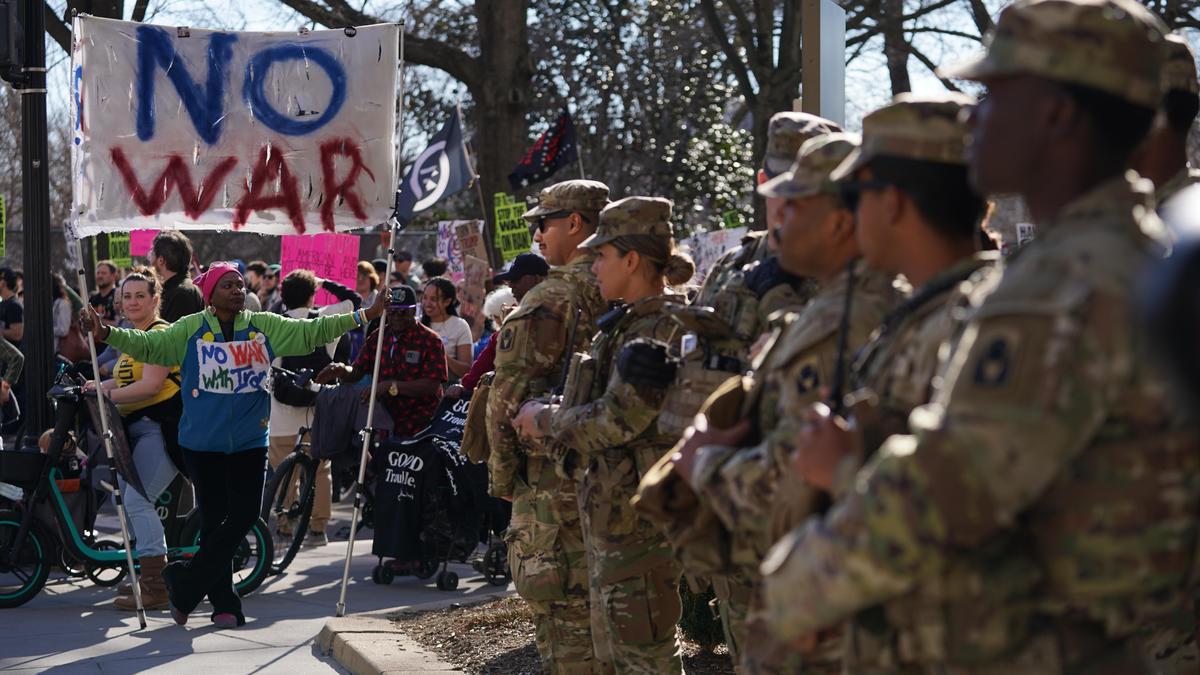
Sun Mar 01 04:55:07 UTC 2026: # U.S. and Israel Strike Iran Amidst Khamenei’s Death, Sparking Global Reactions
The Story:
On Saturday, February 28, 2026, the U.S. and Israel launched a major attack on Iran, coinciding with reports of the death of Iran’s Supreme Leader, Ayatollah Ali Khamenei. U.S. President Donald Trump announced Khamenei’s death on social media, urging the Iranian people to overthrow the theocracy. Iran retaliated with missile and drone strikes against Israel and U.S. military bases in the Middle East. World leaders have reacted cautiously, with some condemning Iran’s retaliation while remaining silent on the initial U.S. and Israeli strikes.
The death of Khamenei, who had no designated successor, has thrown Iran’s future into uncertainty, raising concerns about a broader conflict. The UN Security Council has scheduled an emergency meeting to address the escalating situation.
Key Points:
- February 28, 2026: U.S. and Israel launch strikes on Iran.
- Ayatollah Ali Khamenei’s death is reported; Iranian state media confirms on March 1, 2026.
- President Trump calls on Iranians to “seize control of your destiny.”
- Iran retaliates with missile and drone strikes.
- Global reactions are divided: Australia and Canada support the U.S., while Russia and China condemn the strikes.
- European leaders call for a negotiated settlement and condemn Iranian attacks on regional neighbors.
- The Arab League condemns Iranian attacks as a violation of sovereignty.
Critical Analysis:
The timing of the U.S. and Israeli strikes, coinciding with Khamenei’s reported death, suggests a coordinated effort to destabilize the Iranian regime during a period of vulnerability. Trump’s explicit call for regime change further indicates a strategic goal beyond simply addressing Iran’s nuclear program. The divided global reaction reflects existing geopolitical fault lines and the complex relationships nations have with both Iran and the United States.
Key Takeaways:
- The death of Ayatollah Ali Khamenei has created a power vacuum in Iran, exacerbating regional tensions.
- The U.S. and Israeli strikes represent a significant escalation in the ongoing conflict with Iran.
- Global reactions highlight the deep divisions and conflicting interests surrounding the situation.
- The immediate future of Iran is uncertain, with the potential for internal unrest and further regional conflict.
- The event underscores the failure of diplomacy and the increasing reliance on military action in the Middle East.
Impact Analysis:
The events of February 28 – March 1, 2026 have the potential for significant long-term implications:
- Iranian Succession Crisis: The lack of a clear successor to Khamenei could lead to infighting and instability within Iran, potentially reshaping the country’s political landscape.
- Regional Instability: The strikes and retaliatory attacks could trigger a wider regional conflict, drawing in neighboring countries and further destabilizing the Middle East.
- Nuclear Proliferation: The crisis could prompt Iran to accelerate its nuclear program, increasing the risk of nuclear proliferation in the region.
- Global Realignment: The divided global reaction could lead to a realignment of alliances, with some countries distancing themselves from the U.S. while others strengthen their ties.
- Shift in U.S. Foreign Policy: The strikes and Trump’s call for regime change could signal a more aggressive and interventionist U.S. foreign policy in the Middle East.
 First Piper