
Sat Feb 28 14:45:01 UTC 2026: ### US and Israel Launch Coordinated Strikes Against Iran, Prompting Global Condemnation and Fears of Escalation
The Story:
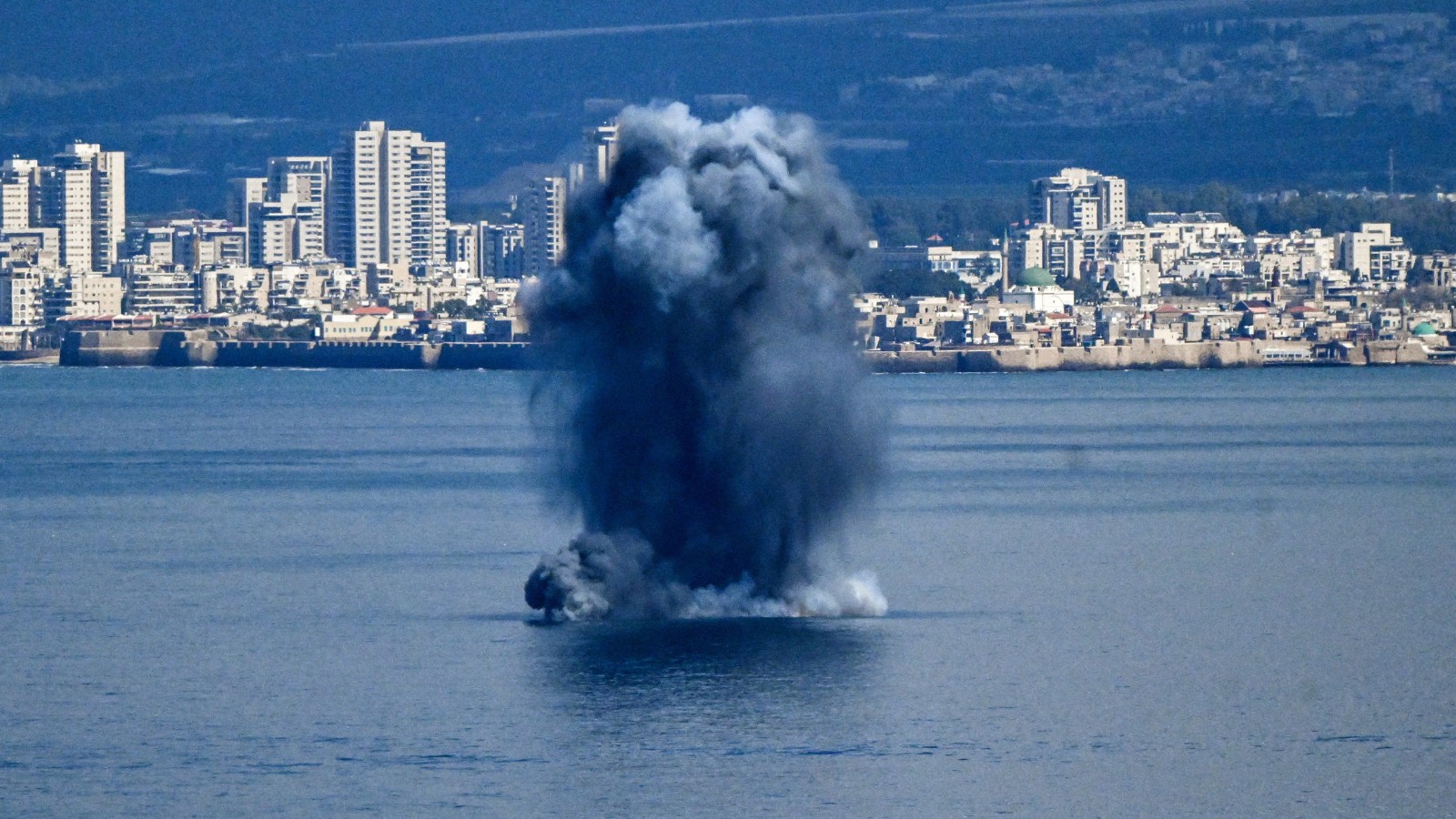
A large-scale, coordinated military campaign by Israel and the United States against Iran has ignited a firestorm of international reactions. The strikes, which reportedly targeted the offices of Iran’s Supreme Leader Ayatollah Ali Khamenei and President Masoud Pezeshkian, were preceded by remarks from US President Donald Trump vowing to dismantle Tehran’s missile arsenal and prevent nuclear weapons development. Iran has retaliated with strikes against Israeli and US interests in the region, further escalating tensions.
The international community is largely urging restraint, with nations expressing deep concern over the potential for a wider conflict. Calls for de-escalation and adherence to international law are widespread, alongside demands for Iran to engage in negotiations regarding its nuclear and ballistic missile programs.
Key Points:
- US and Israel launched coordinated military strikes against Iran.
- Strikes targeted the offices of Supreme Leader Ayatollah Ali Khamenei and President Masoud Pezeshkian.
- President Trump previously vowed to destroy Iran’s missile arsenal and prevent nuclear weapons development.
- Iran retaliated with strikes against Israeli and US interests.
- Global reactions include calls for restraint, de-escalation, and adherence to international law.
- French President Emmanuel Macron called for an urgent UN Security Council meeting.
- The EU urged restraint and regional diplomacy to ensure nuclear safety.
- Ukraine blamed Iran’s regime for the crisis.
Critical Analysis:
The historical context reveals a clear escalation. The previous death of Ayatollah Khamenei, coupled with the Iranian Parliament Speaker’s condemnation of US and Israeli leaders as “filthy criminals,” paints a picture of heightened animosity and volatile leadership within Iran. The coordinated strikes appear to be a direct response to these developments, potentially aimed at destabilizing the Iranian regime further or preventing imminent threats perceived by Israel and the US. The cautious reactions from world leaders suggest a recognition of the gravity of the situation and the potential for widespread conflict.
Key Takeaways:
- The coordinated strikes represent a significant escalation in the US-Israel-Iran relationship.
- The death of Ayatollah Khamenei likely exacerbated existing tensions and contributed to the current crisis.
- International reactions highlight the global concern over the potential for a wider conflict.
- The situation underscores the urgent need for diplomatic engagement to de-escalate tensions and prevent further violence.
- The future of the region hinges on the willingness of all parties to exercise restraint and engage in meaningful negotiations.
Impact Analysis:
This event series has profound and long-term implications for global security and stability. The strikes and retaliatory actions could trigger a wider regional conflict, drawing in other actors and destabilizing the Middle East. The disruption of oil supplies could lead to economic instability. More broadly, this crisis could reshape geopolitical alliances, accelerate nuclear proliferation, and undermine international norms and institutions. A prolonged conflict could result in significant humanitarian suffering and long-term political instability. The stakes are extraordinarily high, demanding a concerted and sustained effort from the international community to avert a catastrophic outcome.
 First Piper