
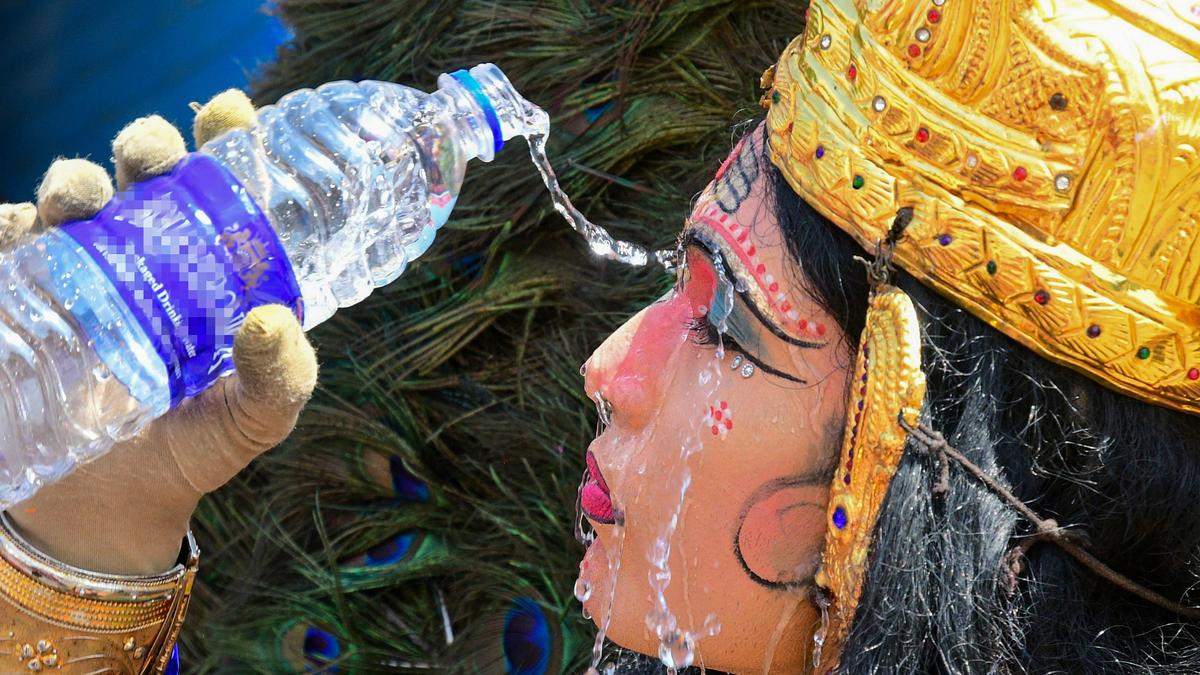
Sun Mar 01 03:10:24 UTC 2026: ### Summer Heat Threatens Tamil Nadu’s Folk Art Traditions
The Story:
A new study by the State Planning Commission (SPC) in 2025 reveals a concerning trend: rising temperatures in Tamil Nadu are severely impacting folk artistes who perform at temple festivals. These festivals, crucial to the region’s cultural heritage, are becoming increasingly challenging for performers due to grueling schedules, heavy costumes, and the intensifying heat. The article highlights the plight of artistes like Ganesha Moorthy, a Kaniyan Koothu performer, and M. Chandrakumar, an Oppari singer, who are struggling with heat stress and its associated health issues. This threat, combined with shrinking patronage and fewer young people entering the field, endangers the future of these vital art forms.
Key Points:
- Temple festivals in Tamil Nadu during April-June are becoming endurance tests for folk artistes due to rising heat.
- 74% of Tamil Nadu residents now live in areas where air temperatures regularly exceed 35 degrees Celsius.
- 94 of the state’s 389 administrative blocks have experienced a ‘very high change’ in heat intensity from 1981 to 2023.
- Nearly 70% of districts have “very warm nights” with temperatures between 26°C and 28°C, disrupting the body’s natural cooling mechanisms.
- Folk artistes often lack basic comforts and adequate rest, exacerbating the effects of heat stress.
- Instrument makers, especially those working with skin-based instruments, face additional challenges due to the heat.
- The Tamil Nadu Folk Artistes Welfare Board has over 50,000 registered members and offers financial assistance, but needs to focus on health check-ups and insurance.
- The UNFCCC notes that cultural heritage is largely absent from climate agreements and policy discussions.
Key Takeaways:
- Climate change is not just an environmental issue, but also a cultural one, threatening the survival of traditional art forms.
- Vulnerable populations, like folk artistes, require targeted support and compensation to mitigate the impact of rising temperatures.
- The Tamil Nadu government is taking steps to address the issue, but more comprehensive measures are needed, including health support and recognition of folk artistes as a climate-vulnerable group.
- There is a disparity in performance conditions based on caste, with upper-caste arts being performed in air-conditioned spaces while OBC and Dalit artistes perform in open rural spaces.
- The lack of access to basic amenities like restrooms disproportionately affects marginalized communities like transwomen performers.
Impact Analysis:
The decline of folk art traditions in Tamil Nadu would represent a significant loss of cultural heritage. These art forms are deeply intertwined with the region’s history, rituals, and social fabric. The article’s findings underscore the urgent need for proactive measures to protect folk artistes from the impacts of climate change and to ensure the continued vitality of these traditions. This includes providing financial assistance, healthcare, and better working conditions, as well as raising awareness about the importance of cultural preservation in the face of environmental challenges. The long-term impact of inaction could lead to the extinction of these art forms, impoverishing the cultural landscape of Tamil Nadu.
 First Piper