
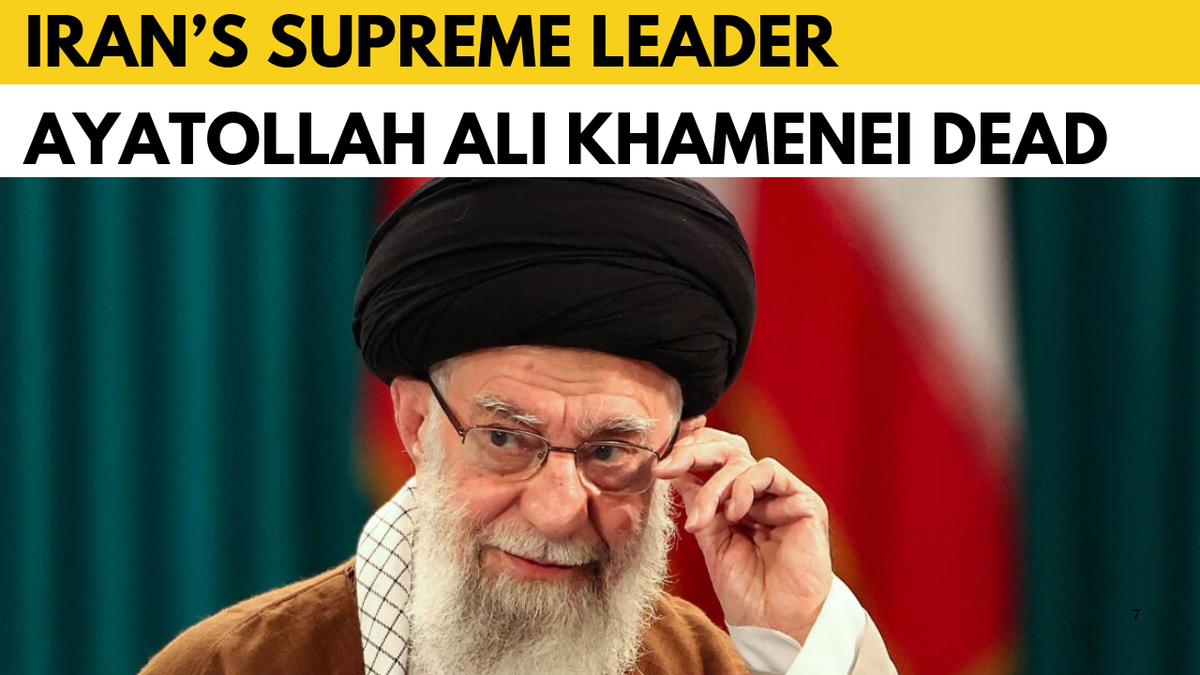
Sun Mar 01 03:46:01 UTC 2026: ### Headline: Ayatollah Khamenei’s Death Triggers Power Vacuum and Regional Instability
The Story:
The death of Ayatollah Ali Khamenei, confirmed on March 1, 2026, following a joint U.S. and Israeli military operation, has sent shockwaves throughout West Asia. The event has created a volatile power vacuum within Iran, raising concerns about regional stability and potential escalation of conflict. The news, reported by The Hindu, highlights the immediate implications of this significant development.
Key Points:
- Ayatollah Ali Khamenei is dead following a joint U.S. and Israeli military operation.
- The death occurred before March 1, 2026, 09:16 am IST.
- The event has created a power vacuum within Iran.
- The situation is described as volatile, with concerns about regional stability.
Critical Analysis:
The timing of the news, coupled with the immediately preceding report of Iranian Guards vowing a “most ferocious offensive operation” against U.S. bases and Israel, strongly suggests a retaliatory response is imminent. This indicates a significant escalation of the existing tensions between Iran, the U.S., and Israel, moving beyond proxy conflicts to direct confrontation. The power vacuum created by Khamenei’s death will likely lead to a scramble for leadership within Iran, potentially exacerbating internal divisions and making the country more vulnerable to external pressures.
Key Takeaways:
- The death of Ayatollah Khamenei marks a turning point in West Asian geopolitics.
- The joint U.S.-Israeli operation signals a more aggressive approach to containing Iran.
- The threat of immediate retaliation from Iran carries a high risk of regional war.
- The internal power struggle within Iran will likely intensify, creating further instability.
- The event underscores the deepening animosity between Iran, the U.S., and Israel.
Impact Analysis:
The death of Ayatollah Khamenei and the ensuing power vacuum will have far-reaching and long-term implications.
- Regional Instability: Expect increased instability in the region as various factions within Iran vie for power and external actors seek to exploit the situation. This could lead to proxy wars, civil conflicts, and increased terrorist activity.
- U.S.-Iran Relations: Relations between the U.S. and Iran are likely to deteriorate further, potentially leading to direct military confrontation. The U.S. may face increased pressure to contain Iranian influence in the region.
- Israeli Security: Israel will likely remain on high alert, anticipating retaliatory attacks from Iran or its proxies. The heightened tensions could lead to further military operations and increased security measures.
- Global Oil Markets: The instability in the region could disrupt global oil supplies, leading to price volatility and economic uncertainty.
- Nuclear Program: The future of Iran’s nuclear program is uncertain. The power vacuum could lead to either a more aggressive pursuit of nuclear weapons or a willingness to negotiate with international powers.
 First Piper