
Sat Feb 28 17:15:51 UTC 2026: ### Headline: Middle East Airspace Shut Down as US-Israeli Strikes on Iran Trigger Regional Disruptions
The Story:
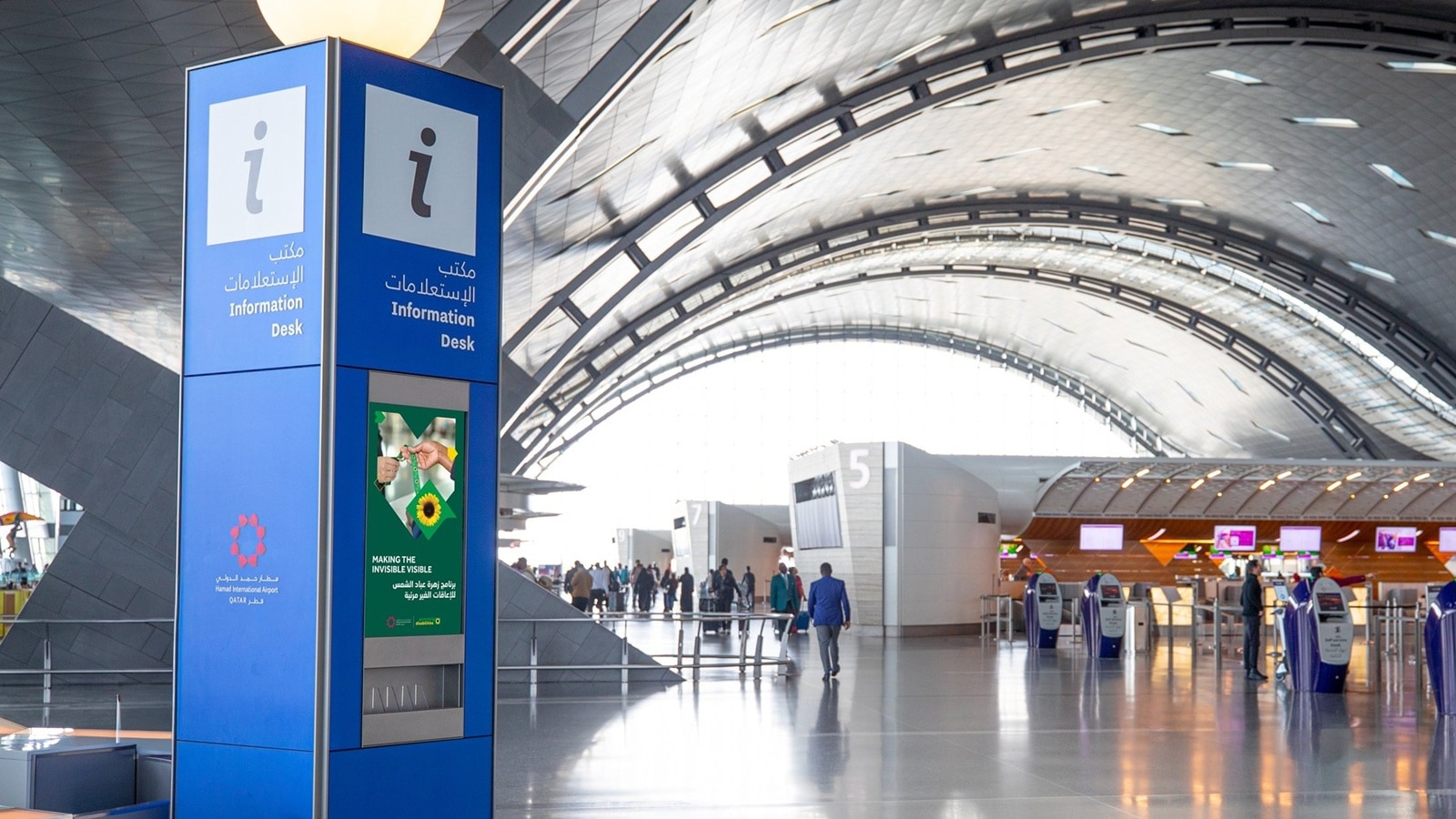
Flight operations across the Middle East were severely disrupted on Saturday, February 28, 2026, after reported missile strikes by Israel and the United States on Iran. This led to widespread airspace closures and flight cancellations, impacting major aviation hubs such as Qatar’s Hamad International Airport and airports in Israel and the United Arab Emirates. Panic ensued in Doha as videos surfaced online showing what appeared to be falling rocket debris striking the outskirts of the city.
Hamad International Airport announced the suspension of flight operations and advised passengers to check with their airlines for the latest information. Qatar Airways Group also confirmed the temporary suspension of its flights to and from Doha due to the airspace closure.
Key Points:
- Missile strikes by Israel and the United States on Iran caused widespread airspace closures.
- Hamad International Airport in Qatar suspended flight operations.
- Qatar Airways Group confirmed the temporary suspension of flights to and from Doha.
- Airspace was temporarily shut down in Israel, the United Arab Emirates, and Qatar, with restrictions also imposed in southern Syria.
- Videos circulating online showed apparent rocket debris striking the outskirts of Doha.
Critical Analysis
The provided context reveals a rapidly escalating conflict between Iran and Israel, with the United States seemingly involved in military action against Iran. This escalation has directly impacted civilian infrastructure, as evidenced by the damage to Dubai International Airport and the debris falling in Doha. The sequence of events suggests a tit-for-tat exchange, with Iran initiating attacks on Dubai followed by retaliatory strikes by Israel and the US on Iran. This cyclical pattern of escalation poses a significant threat to regional stability and civilian safety.
Key Takeaways:
- The conflict between Iran and Israel is intensifying, with direct military involvement from the United States.
- Civilian infrastructure in the Middle East is increasingly vulnerable to attacks, as demonstrated by the damage to airports and the debris strikes in urban areas.
- Airspace closures and flight cancellations are causing significant disruptions to travel and commerce across the region.
- The situation is highly volatile, with the potential for further escalation and wider regional conflict.
- The safety of civilians in the region is at severe risk.
Impact Analysis
The ongoing conflict has significant long-term implications for the Middle East. The closure of airspace and disruptions to air travel will negatively impact tourism, trade, and investment across the region. The damage to infrastructure and the loss of life will further destabilize already fragile economies. The increased military activity and the involvement of external actors such as the United States risk drawing other countries into the conflict, potentially leading to a wider regional war. The long-term consequences could include:
- Economic Recession: Reduced tourism, trade, and investment due to instability.
- Political Instability: Increased tensions between regional powers and the potential for civil unrest.
- Humanitarian Crisis: Displacement of populations and increased suffering due to conflict and economic hardship.
- Geopolitical Shift: Realignment of alliances and increased foreign intervention in the region.
- Security Threat: Heightened risk of terrorism and other forms of violence.
 First Piper