
Sat Feb 28 01:55:30 UTC 2026: ### Headline: Pakistan and Afghanistan Engage in Open Warfare Following Months of Border Clashes
The Story:
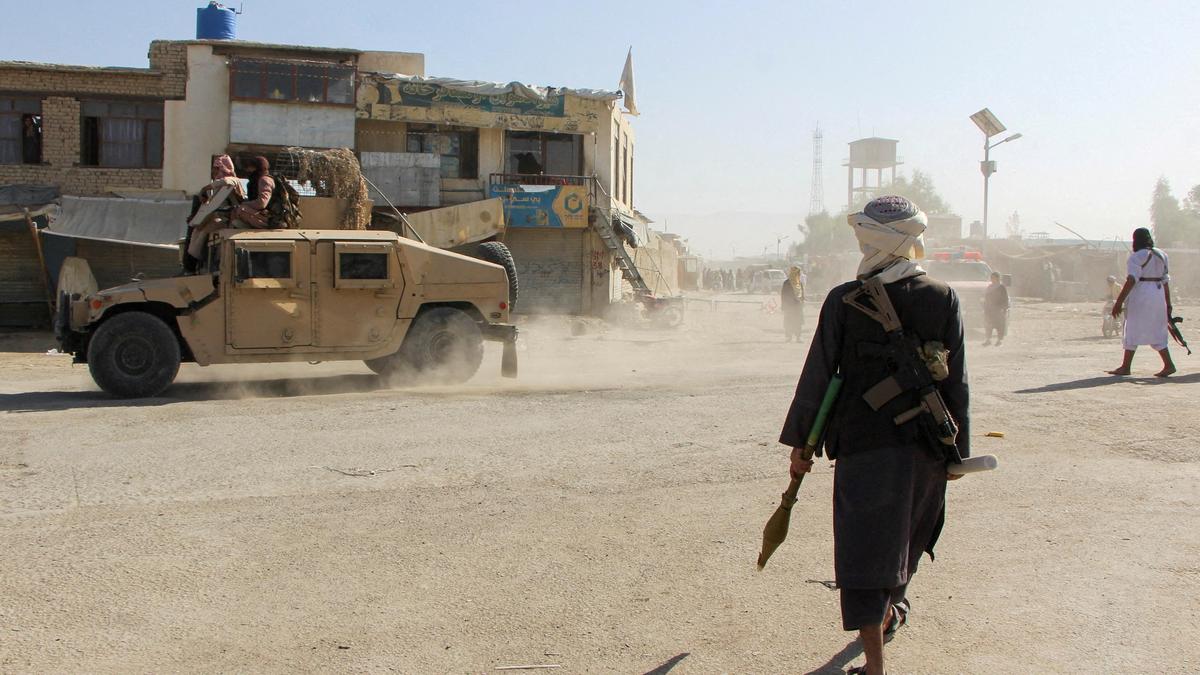
On February 27, 2026, Pakistan launched air strikes on major Afghan cities, including Kabul and Kandahar, prompting its Defence Minister to declare “open war” with Afghanistan. This escalation followed months of escalating tensions and tit-for-tat clashes between the two nations, including an attack by Afghan forces on Pakistani border troops the previous night. The Pakistani operation, dubbed “Operation Ghazab lil Haq,” reportedly killed over 130 Afghan Taliban fighters.
Relations between Pakistan and Afghanistan have deteriorated significantly in recent months, with border crossings largely shut since deadly fighting in October 2025 that resulted in over 70 casualties on both sides. Islamabad accuses Afghanistan of harboring militant groups responsible for attacks within Pakistan, a charge the Taliban government denies. Despite mediation efforts by Qatar, Turkey, and Saudi Arabia, a lasting peace agreement has remained elusive.
Key Points:
- Pakistan bombed Kabul, Paktia, and Kandahar on February 27, 2026.
- Pakistan’s Defence Minister declared “open war” with Afghanistan.
- The operation, “Operation Ghazab lil Haq” resulted in 130+ Afghan Taliban casualties.
- Afghanistan reported eight soldiers killed in a land offensive.
- Tensions have been escalating since deadly fighting in October 2025.
- Mediation efforts by Qatar, Turkey, and Saudi Arabia have failed to produce a lasting agreement.
- Both sides accuse each other of supporting militant groups.
- 13 civilians were reported killed in Pakistani strikes on February 22, 2026.
Critical Analysis:
The provided context reveals a complex geopolitical situation. The simultaneous reports of escalating tensions involving Iran, the US, and Israel, along with internal issues within Pakistan (T20 World Cup exit) suggest that Pakistan may be trying to project strength externally to distract from internal problems. The timing of the escalation, following the T20 World Cup exit, could indicate an attempt to rally national sentiment behind the government and military.
Key Takeaways:
- The conflict between Pakistan and Afghanistan has escalated dramatically, moving beyond border skirmishes into open warfare.
- Failed mediation efforts highlight the deep-seated mistrust and unresolved issues between the two nations.
- Accusations of supporting militant groups continue to fuel the conflict.
- The conflict risks further destabilizing the region and exacerbating humanitarian crises.
- The broader geopolitical context, involving tensions between Iran, the US, and Israel, adds another layer of complexity to the situation.
Impact Analysis:
The open warfare between Pakistan and Afghanistan has significant long-term implications. This conflict could trigger a refugee crisis, further destabilize the region already grappling with numerous security challenges, and potentially draw in other regional and international actors. The increased violence may empower militant groups operating in the region, undermining counter-terrorism efforts. The closure of border crossings will severely impact trade and economic activity, further impoverishing communities on both sides. The breakdown of relations between Pakistan and Afghanistan will likely have lasting repercussions for regional security and stability.
 First Piper