
Sat Feb 28 18:48:36 UTC 2026: ### Afghanistan-Pakistan Conflict Escalates to “Open War” Amidst International Concern
The Story:
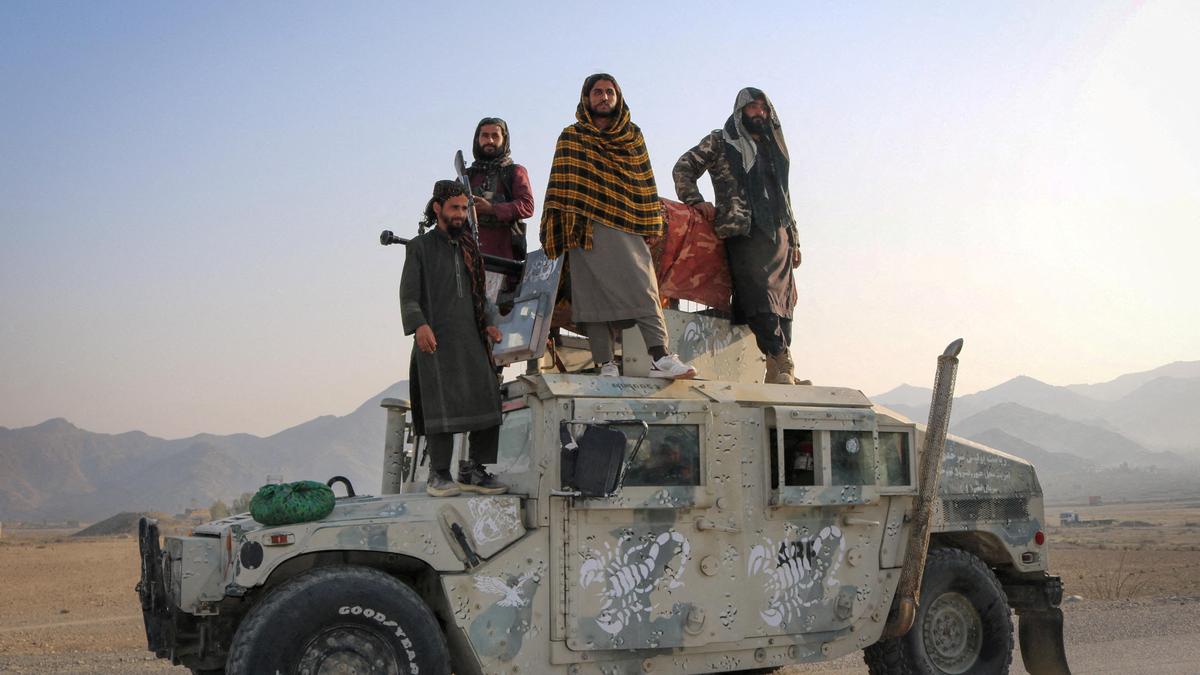
Fighting between Pakistani and Afghan Taliban forces has intensified, entering its third day on Saturday, February 28, 2026, with both sides exchanging accusations and engaging in cross-border attacks. Pakistan claims its strikes target Tehreek-e-Taliban Pakistan (TTP) militants harbored by the Taliban, a charge the Taliban denies. The situation escalated after Afghan forces attacked Pakistani border troops, leading to retaliatory strikes by Pakistan, including bombings of major Afghan cities like Kabul and Kandahar. The international community, including the EU, Iran, Russia, and China, has expressed deep concern and called for urgent dialogue.
Key Points:
- Pakistan and Afghanistan are engaged in “open war,” according to Pakistan’s Defence Minister Khawaja Asif.
- Pakistan launched air strikes on multiple cities in Afghanistan, including Kabul and Kandahar, on February 27, 2026.
- Afghanistan claims to have shot down a Pakistani fighter jet in Jalalabad and captured the pilot alive, a claim Pakistan denies.
- Pakistan claims to have killed 352 Afghan Taliban personnel and destroyed 130 military posts as of February 28, 2026.
- The EU has called for immediate de-escalation and a halt to hostilities.
- U.S. President Donald Trump has stated he gets along with Pakistan “very well” and believes they are doing “terrifically well.”
- The UN chief is “deeply concerned” by the escalation of violence and its impact on civilian populations.
Critical Analysis:
The escalation of the conflict between Pakistan and Afghanistan is occurring within a broader context of international instability, including heightened tensions between the US, Israel, and Iran. This wider geopolitical turbulence may embolden regional actors to pursue more aggressive strategies, as major powers are potentially distracted by other crises. Pakistan’s aggressive stance, coupled with the US President’s favorable view, suggests a level of tacit support, potentially influencing Pakistan’s actions.
Key Takeaways:
- The relationship between Pakistan and Afghanistan has deteriorated significantly, moving from simmering tensions to open warfare.
- Cross-border militancy remains a major point of contention, with Pakistan accusing the Taliban of harboring anti-Pakistan militants.
- The conflict has the potential to further destabilize the region and exacerbate humanitarian concerns.
- International actors are urging de-escalation and dialogue, but the effectiveness of these calls remains uncertain.
- The U.S. position, as indicated by President Trump’s statement, could influence the dynamics of the conflict.
Impact Analysis:
The “open war” between Pakistan and Afghanistan has significant long-term implications. It could lead to a protracted conflict, further destabilizing the region and creating a haven for extremist groups. The humanitarian impact could be severe, with potential displacement of populations and increased suffering among civilians. The conflict also risks drawing in other regional actors, escalating the crisis beyond the two countries. The long-term effects will depend on the success of international mediation efforts and the willingness of both sides to de-escalate and address their underlying grievances.
 First Piper